Choosing a wood floor isn’t just about picking a colour you like.
It’s about understanding how tone, plank width, finish and layout interact with your interior style, lighting and architecture. Get it right and the floor anchors the entire home. Get it wrong and even the best furniture won’t feel cohesive.
At Just Wood, we’ve seen one truth repeatedly:
Your floor is not a background detail. It is the foundation of your interior identity.
Here’s how to choose properly.
1. Start With Light — Not Colour
Before you even look at samples, assess:
- Natural light direction (north-facing rooms pull cooler)
- Ceiling height
- Window size
- Artificial lighting temperature
- Wall colour undertones
Cool light + cool floor = flat and lifeless
Warm light + overly red floor = heavy and dated
Most mistakes happen because people choose a wood tone in isolation, rather than in context.
2. Match the Floor to the Feeling of the Space
Different interior styles call for different wood characteristics. Here’s how they align.
Modern Minimalist Interiors
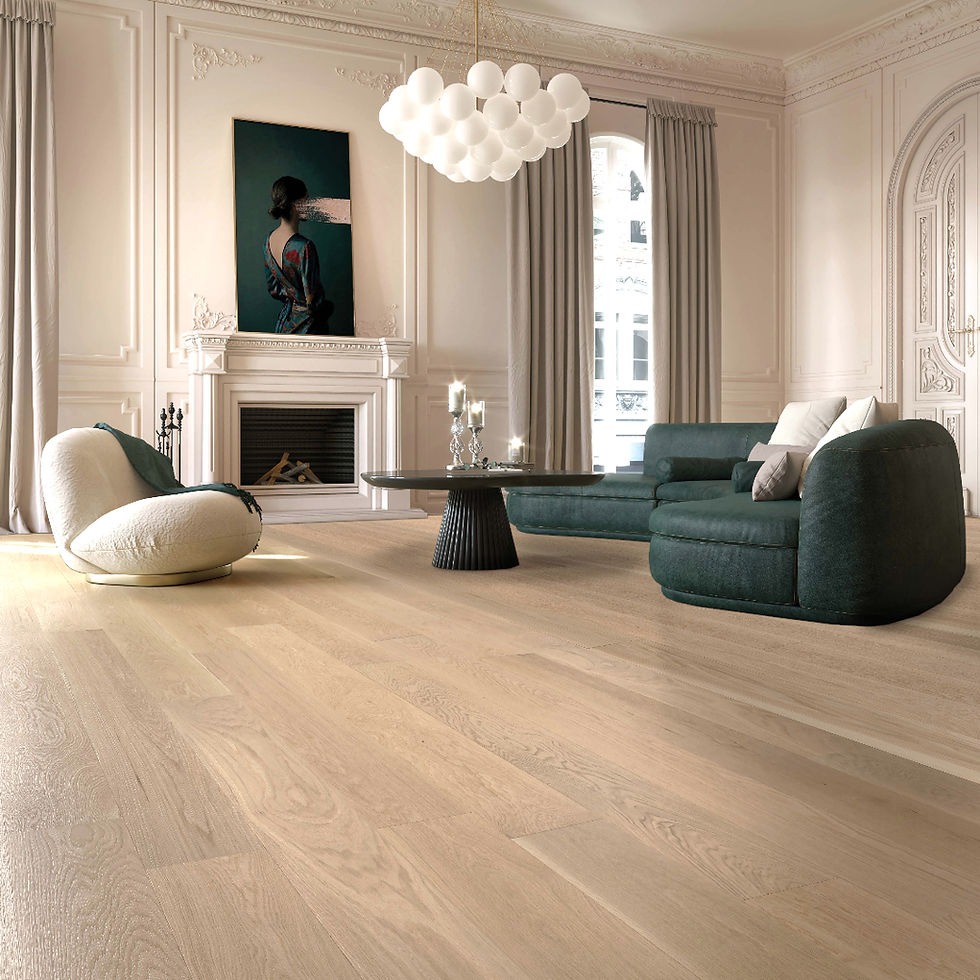
Best choice:
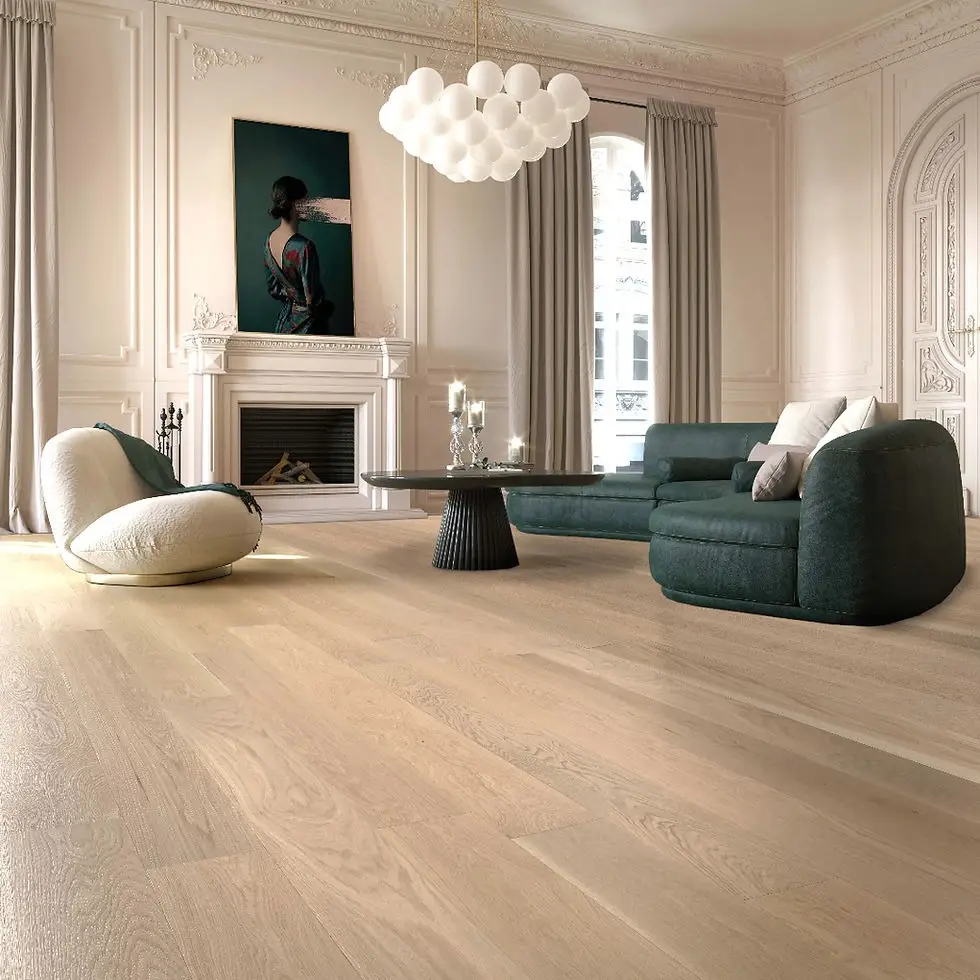
- Light to mid natural oak
- Wide planks
- Matte or ultra-matte finish
- Minimal knots
Why it works:
Clean, uninterrupted planks keep the space calm. Busy grain or strong colour variation breaks the minimal aesthetic.
Avoid:
Narrow planks and high gloss finishes — they fight modern simplicity.
Scandinavian Style
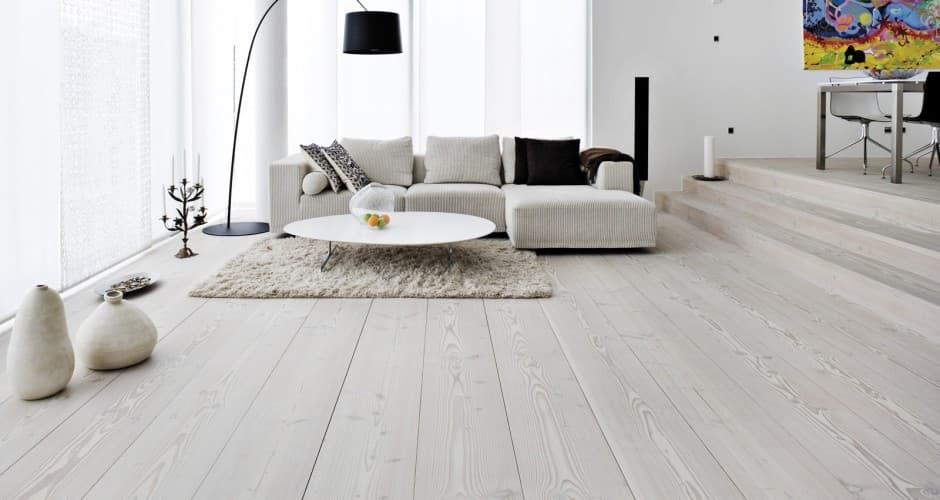
Best choice:
- Pale oak or lightly white-washed tones
- Soft brushed texture
- Natural matte finish
Why it works:
Scandi interiors rely on brightness and softness. The floor should reflect light, not absorb it.
Traditional / Period Homes
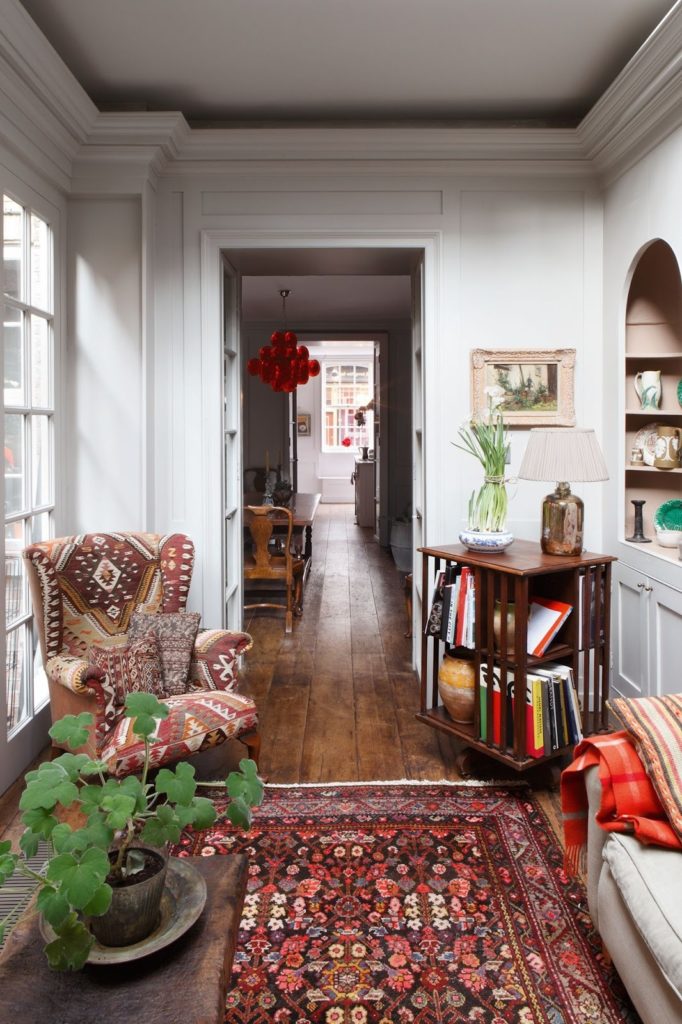
Best choice:
- Medium to darker oak
- Herringbone or parquet
- More character grade boards
Why it works:
Older homes can handle depth and warmth. A slightly richer tone complements original features like fireplaces and coving.
Tip from experience:
Overly pale floors in period homes often feel disconnected from the architecture.
Industrial Interiors
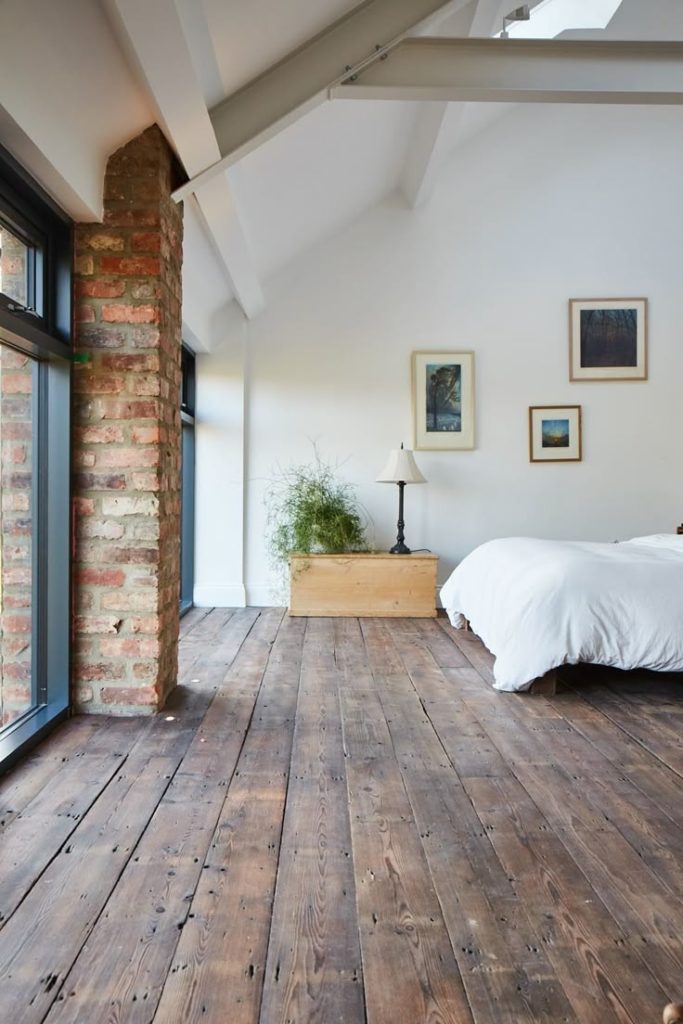
Best choice:
- Smoked or darker oak
- Strong grain
- Wide planks
Why it works:
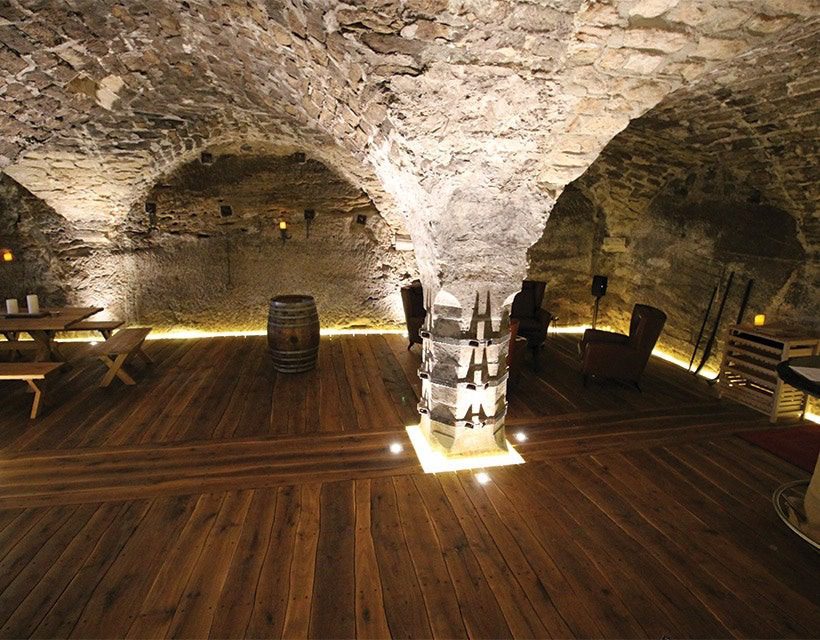
Industrial spaces need weight to balance brick, metal and concrete.
Luxury / High-End Interiors
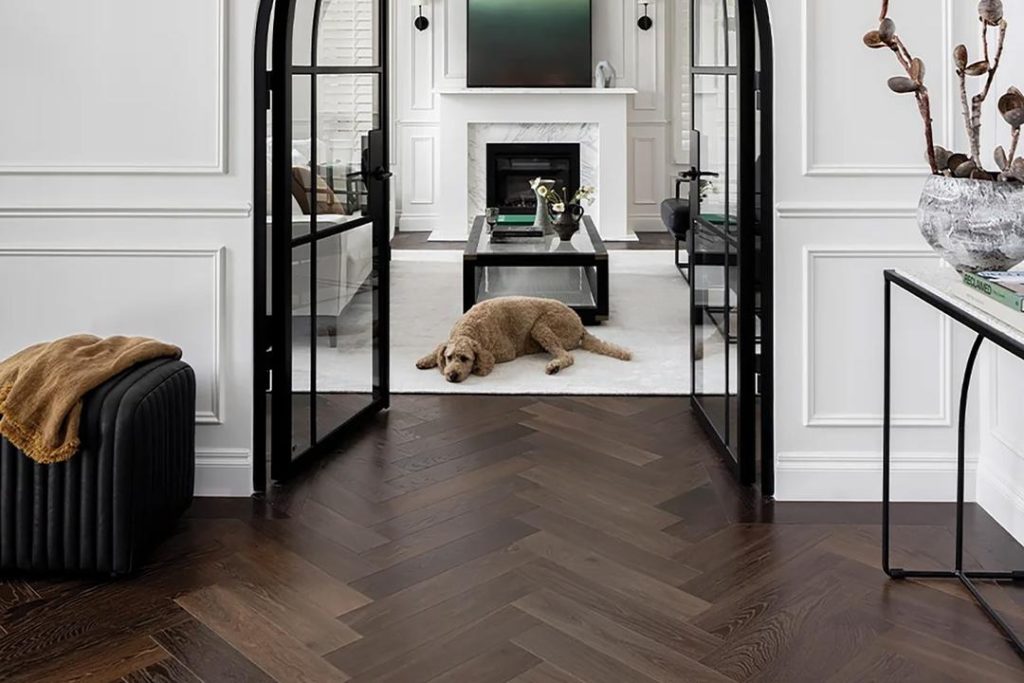
Best choice:
- Herringbone for visual impact
- Extra wide planks for scale
- Consistent, refined grading
Why it works:
Layout and proportion matter more than colour alone. Pattern and board size elevate the space instantly.
3. Plank Width Changes Everything
One of the most misunderstood decisions is plank width.
- Narrow planks feel traditional.
- Standard planks feel safe.
- Wide planks feel architectural and premium.
In open-plan homes, wide boards reduce visual breaks and create flow. In smaller rooms, they can actually make the space feel larger — when proportioned correctly.
4. Tone: Warm vs Cool
Most homeowners underestimate undertones.
- Warm oak (golden honey tones) feels welcoming.
- Neutral oak feels contemporary.
- Cool grey tones can quickly date a space.
The market has noticeably shifted away from heavy greys in recent years. Natural oak tones have longevity — and resale appeal.
5. Engineered vs Solid
In most modern homes, engineered wood is the smarter choice.
Why?
- Greater stability
- Suitable for underfloor heating
- Less seasonal movement
- Better long-term performance
Solid wood still has its place, but it’s not automatically the superior option. Performance should always match the property type.
6. Layout Matters as Much as Colour
Choosing between straight plank and herringbone isn’t just aesthetic.
- Straight plank = calm, contemporary, expansive
- Herringbone = structured, elevated, design-led
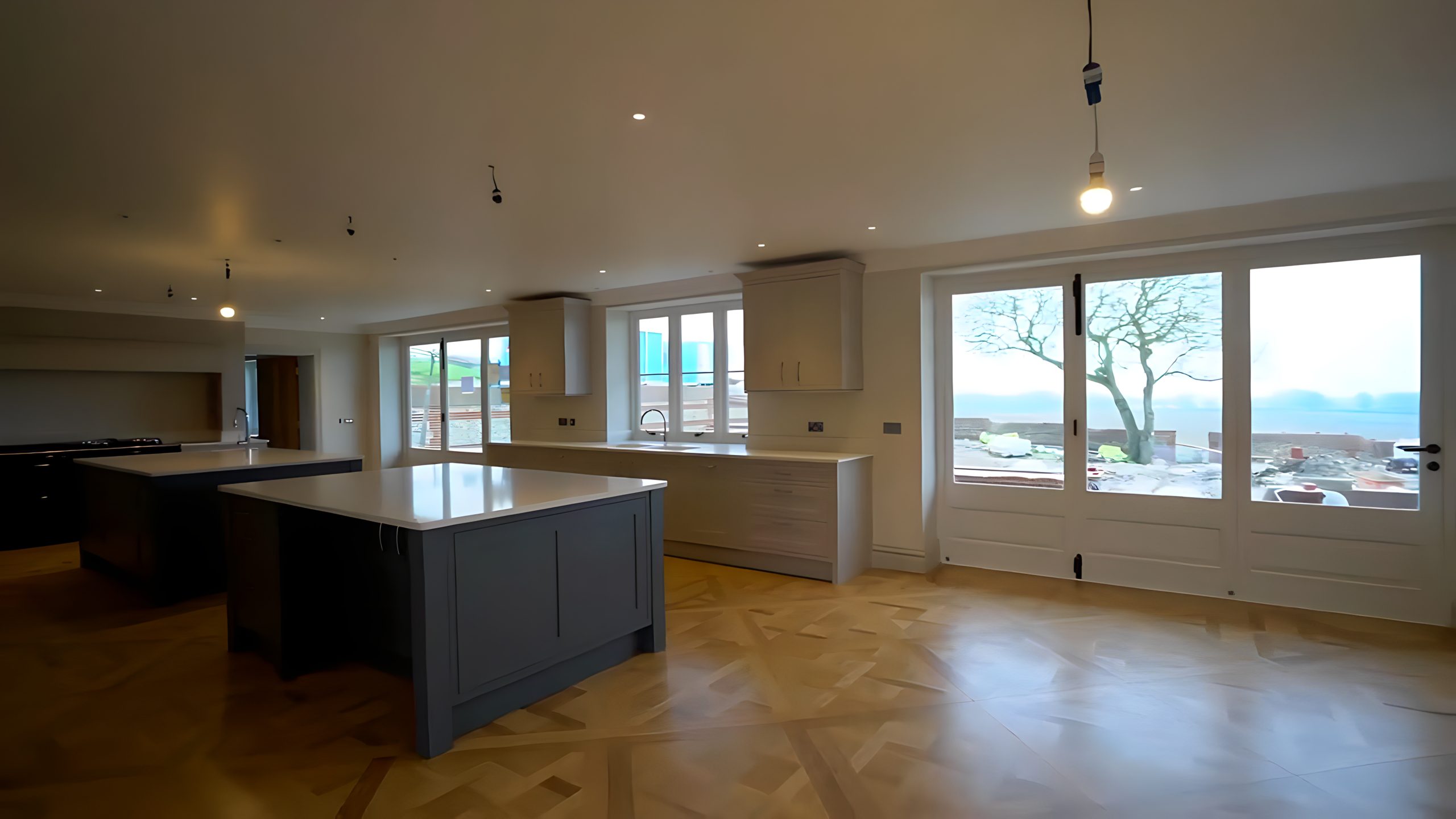
Herringbone continues to be extremely popular — especially in kitchens and hallways — because it adds visual interest without overpowering the room.
7. Consider Longevity, Not Just Trends
Trends change. Foundations shouldn’t.
Ask yourself:
- Will I still like this in 10 years?
- Does this complement the architecture?
- Will this add value to the property?
A well-chosen wood floor can increase perceived value significantly. A trend-led mistake can quietly devalue a space.
8. Why Professional Advice Matters
The biggest errors we see aren’t about taste — they’re about proportion and context.
Choosing from a small sample online doesn’t account for:
- Full board length
- Natural variation
- Lighting conditions
- Adjoining room transitions
At Just Wood, we help clients visualise the entire space before committing — because once it’s down, it’s down.
Final Thought
Your wood floor should:
- Anchor your interior style
- Complement your lighting
- Enhance the architecture
- Add long-term value
Not just “look nice in a showroom”.
If you’re unsure which tone, plank width or layout suits your home, our team can guide you through it properly.
Get in touch with Just Wood today to book a consultation or request samples.