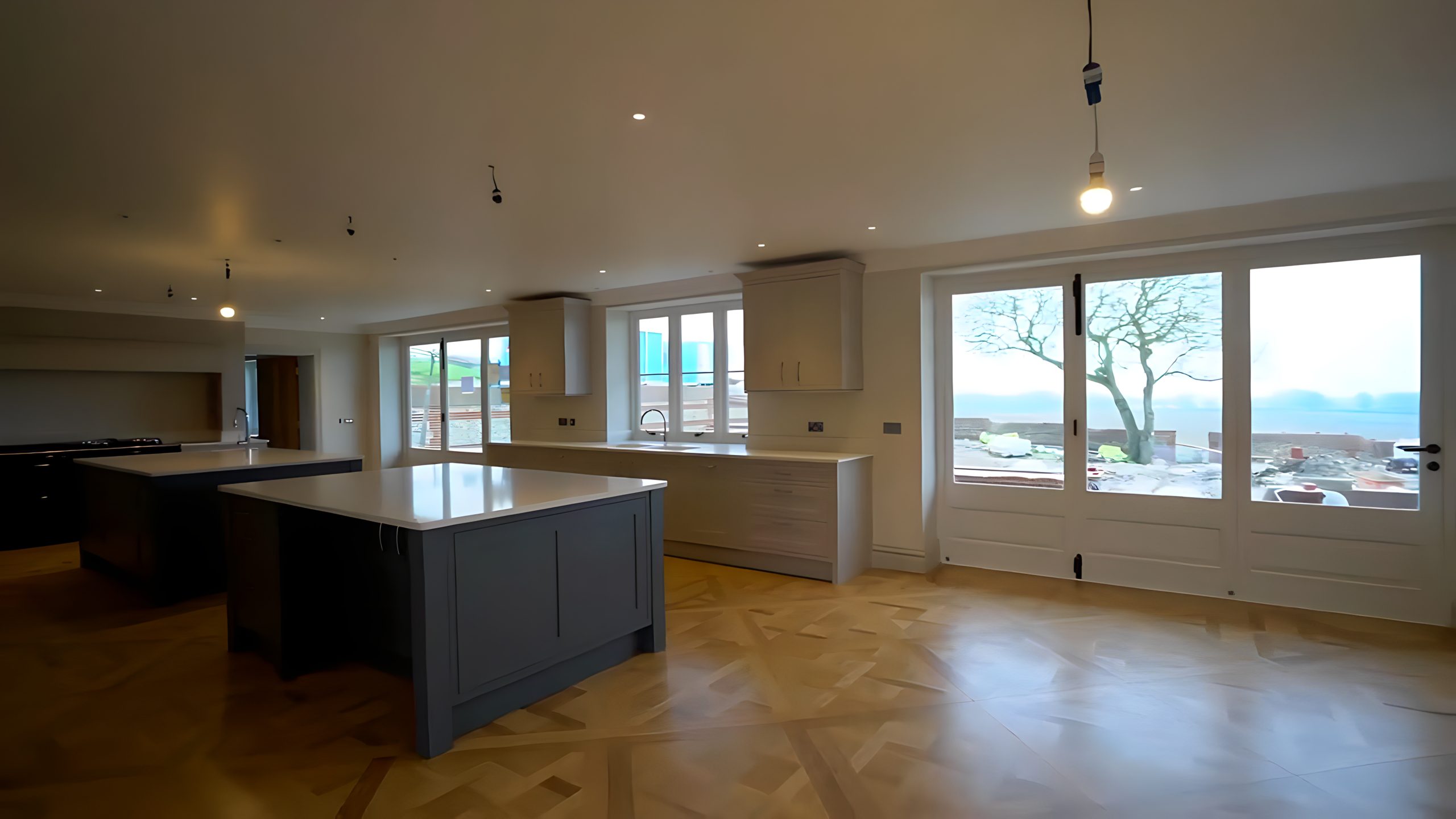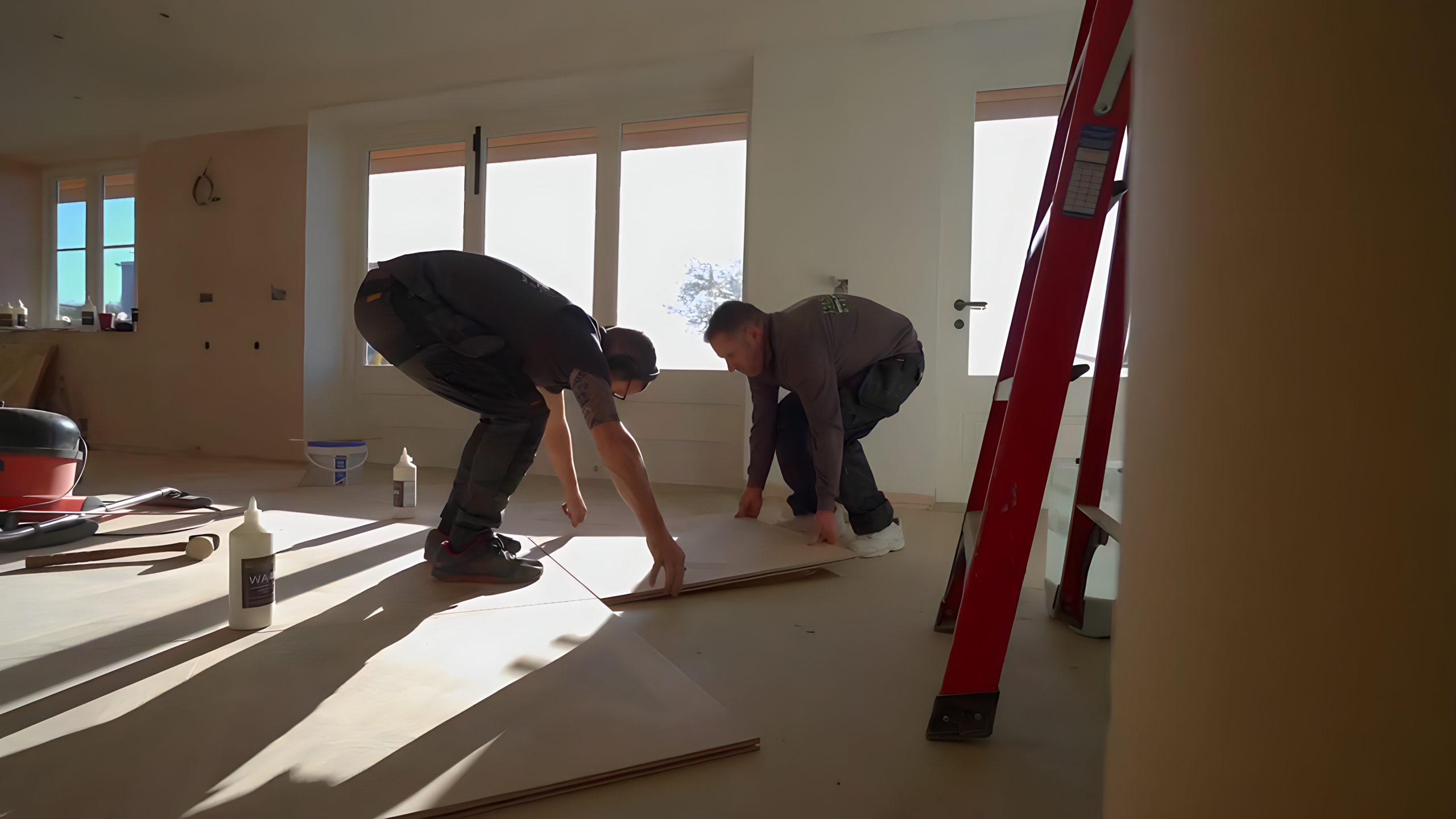

If you’ve ever walked through a home and felt like something was off — even though every individual room looked fine — chances are the flooring was the problem.
Not the quality.
Not the installation.
But the lack of restraint.
This is where the Rule of 3 in flooring comes in.
It’s a simple principle, but when applied properly, it’s one of the fastest ways to make a home feel calmer, larger, and more expensive — without spending more money.
What Is the Rule of 3 in Flooring?
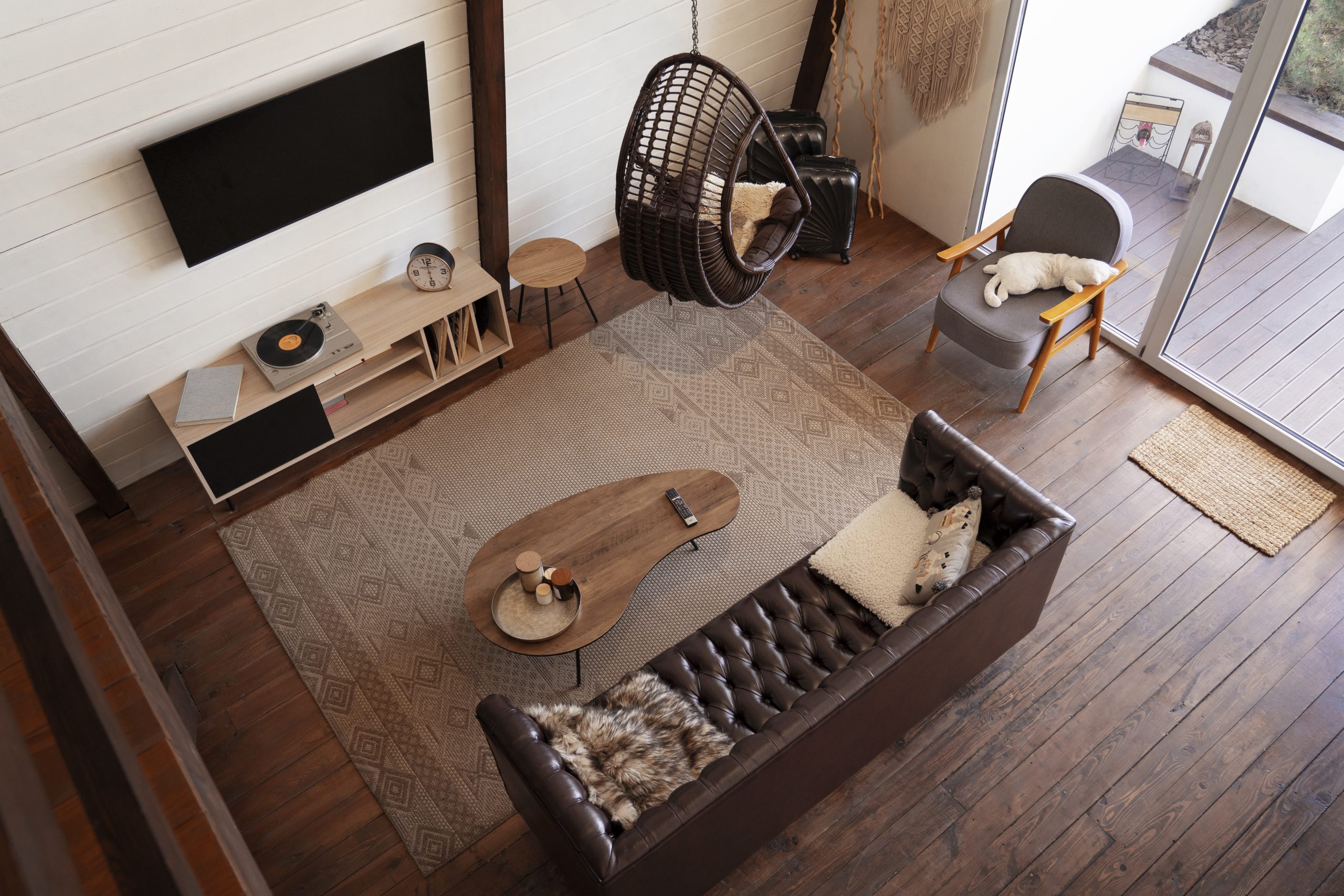
At its most basic level, the Rule of 3 suggests that you should limit yourself to no more than three flooring types, tones, or surface variations within a home.
That might mean:
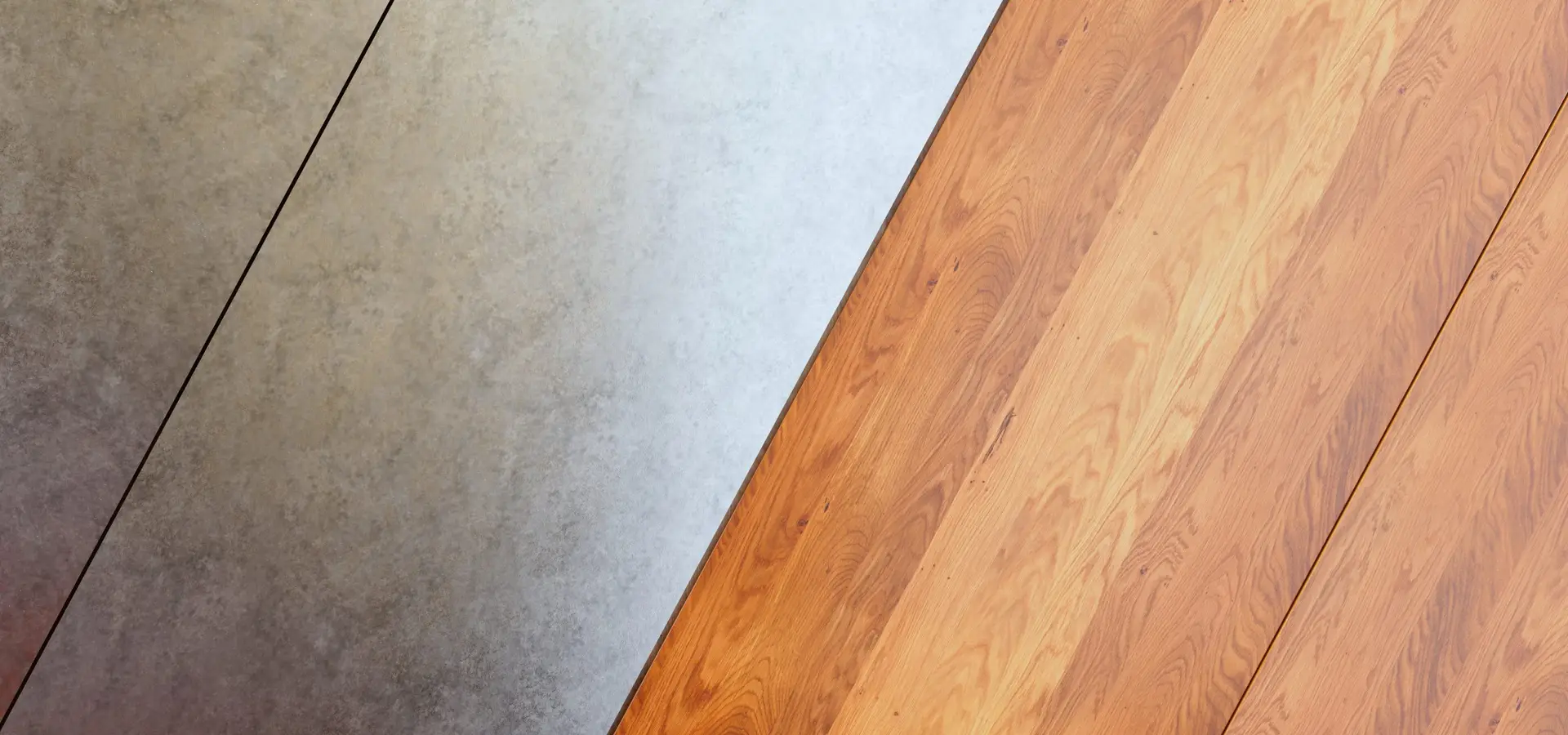
- Three flooring materials across the property
- Three tonal ranges of the same material
- Or three visual “characters” in how the floor behaves and flows
The goal isn’t restriction for the sake of it, it’s cohesion.
When flooring choices exceed this, homes often start to feel:
- Disjointed
- Busy
- Smaller than they actually are
- Visually “patched together”
And this happens far more often than people realise.
Why the Rule of 3 Works So Well
Most homeowners don’t choose bad flooring; they choose too much flooring.
Room-by-room renovations, showroom temptation, and Pinterest inspiration often lead to:
- A different floor for every space
- Slightly different wood tones that almost match (but don’t)
- Too many textures competing for attention
The human eye is excellent at spotting inconsistency, even subconsciously. When it does, the space feels unsettled.
The Rule of 3 works because it:
- Reduces visual noise
- Creates a predictable rhythm as you move through the home
- Helps the floor support the space instead of dominating it
In short: restraint reads as intention.
What the Rule of 3 ReallyApplies To (This Is Where People Get It Wrong)
Most explanations focus on “three materials”: wood, tile, and carpet.
That’s an oversimplification.
In practice, the Rule of 3 is about visual behaviour, not just product count.
1. Tone
Light, medium, and dark floors each behave very differently in a space. Mixing too many tonal ranges — especially in open or connected areas — breaks visual flow.
A single wood species in three slightly different shades can look worse than three different materials done properly.
2. Finish & Texture
Glossy tiles next to satin wood next to heavily textured flooring create friction, even if the colours work.
The eye notices how light reflects just as much as colour.
3. Direction & Flow
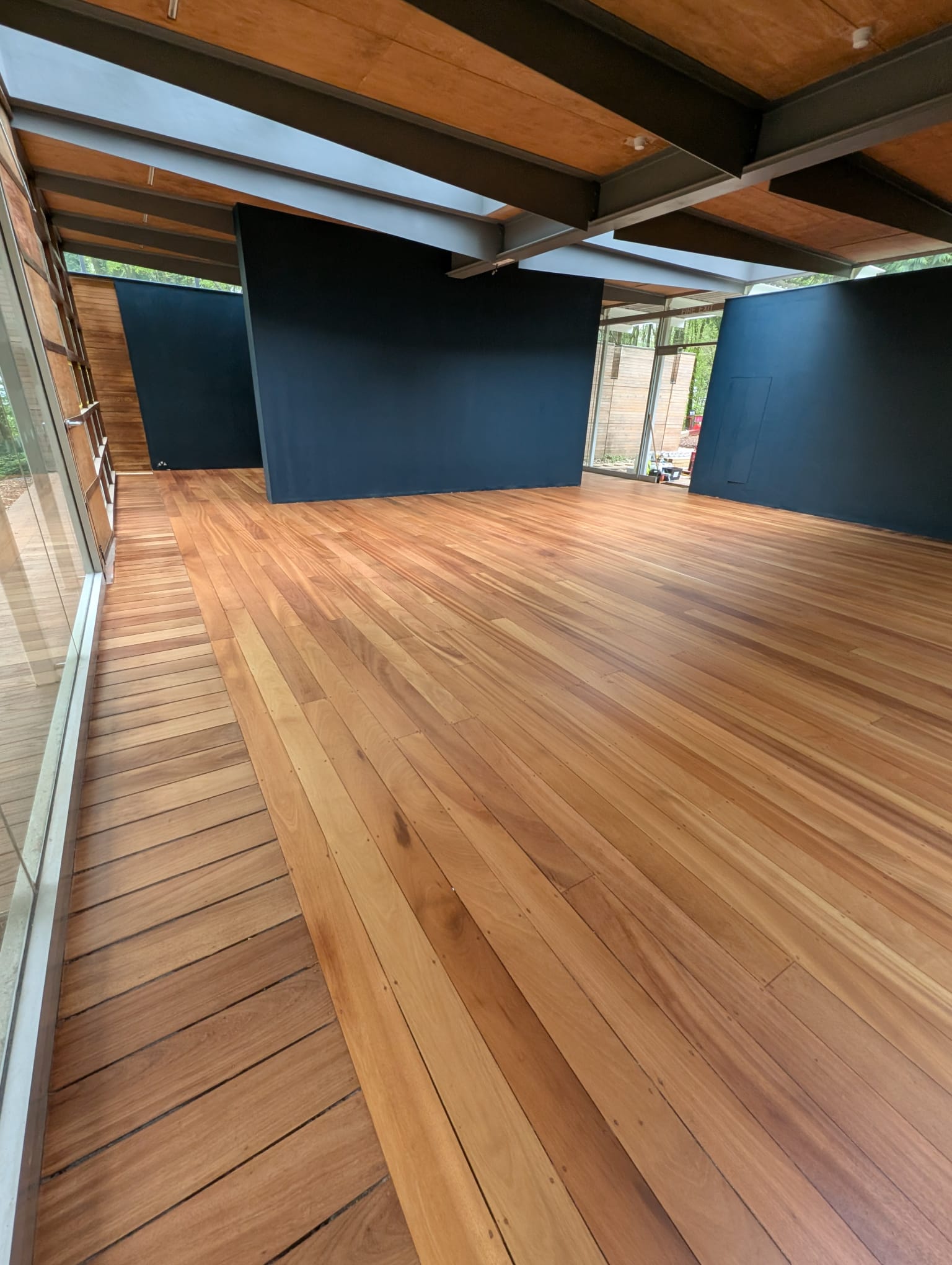
Changing plank direction between rooms, hallways, and open areas is one of the most common mistakes — and one of the fastest ways to shrink a home visually.
Sometimes, one consistent direction does more than any expensive material ever could.
The “Patchwork Home” Problem
A very common scenario:
- Wood flooring in the living room
- Different wood in the dining room
- Tile in the kitchen
- Another tile in the hallway
- Carpet upstairs
- A different wood again in the bedroom
Individually, none of these are wrong.
Collectively, they fight each other.
The Rule of 3 forces decisions to be made globally, not room by room — and that’s the difference between a house that feels designed and one that feels accumulated.
When You Can (and Should) Break the Rule
The Rule of 3 isn’t a law — it’s a control mechanism.
There are times when breaking it works:
- Period properties where flooring defines architectural zones
- Commercial spaces where function outweighs flow
- Intentional contrast used sparingly and consistently
The key difference is intent.
Breaking the rule deliberately still feels calm.
Breaking it accidentally feels chaotic.
Why Simpler Flooring Always Ages Better
Trends move fast. Floors don’t.
Homes with restrained, cohesive flooring:
- Age more gracefully
- Feel more premium over time
- Are easier to refresh with furniture, rugs, and décor
This is why many high-end homes appear “simple” at first glance, the complexity is in the detail, not the variety.
The Bottom Line
The Rule of 3 in flooring isn’t about limiting creativity.
It’s about protecting the space from unnecessary decisions.
If you remember one thing, let it be this:
A floor should connect your home, not divide it.
When in doubt, simplify, because in flooring, less almost always does more.