What Is Parquet Flooring?
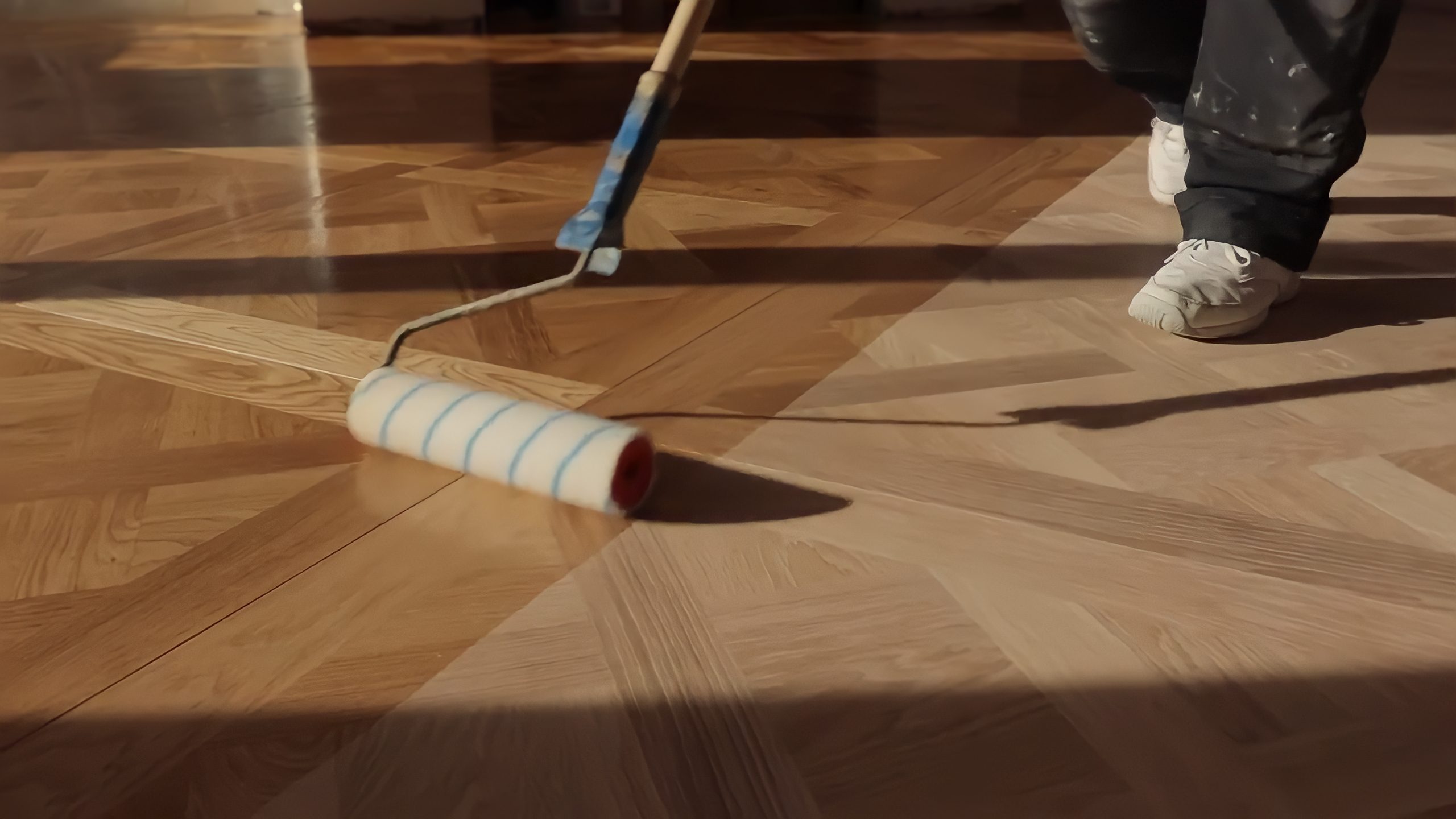
Parquet flooring is a style of wood flooring made from small blocks or strips of timber arranged in repeating geometric patterns. Unlike traditional floorboards that run in straight lines, parquet creates visual patterns that add texture and interest to a room.
The most common parquet patterns include:
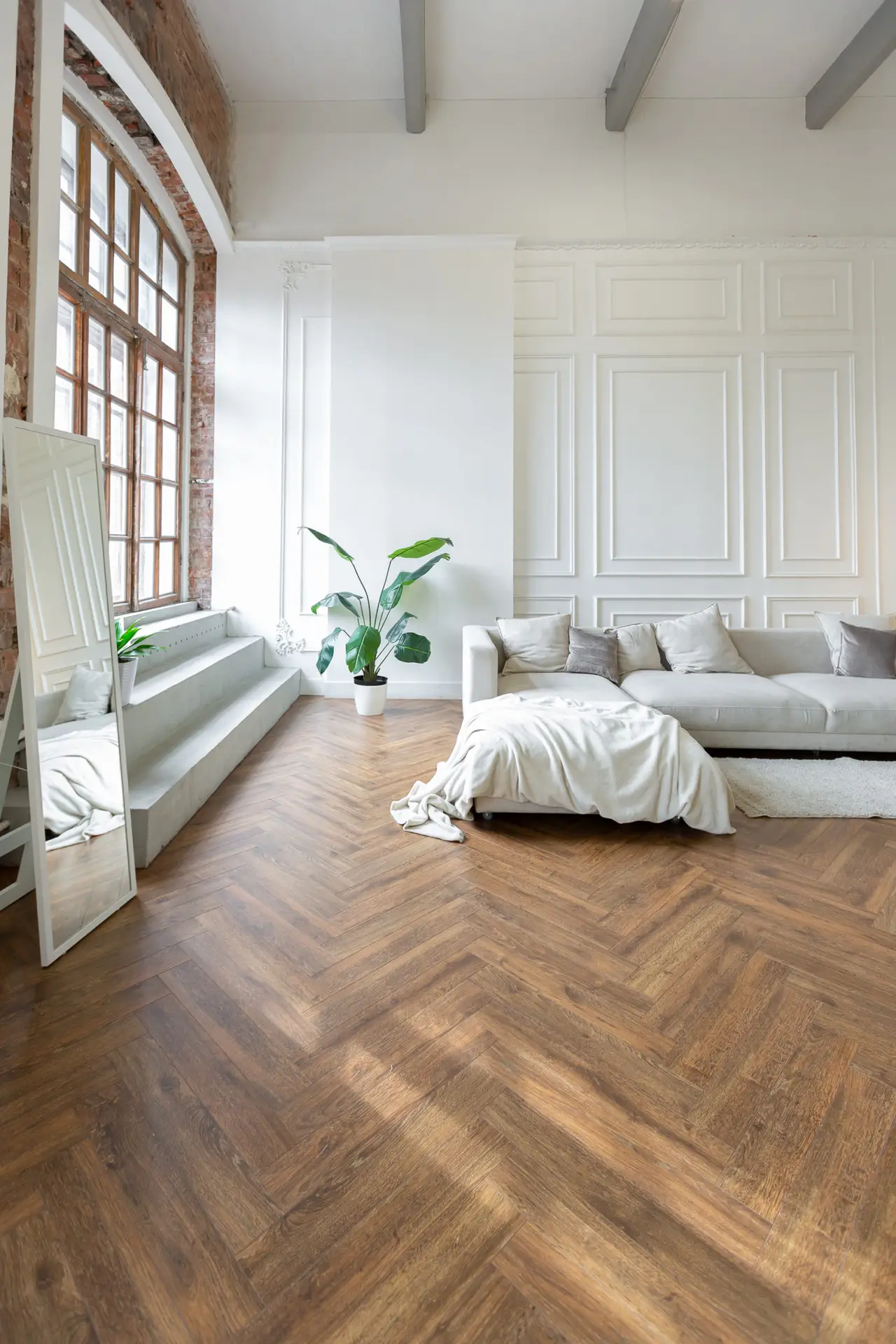
- Herringbone – a zig-zag pattern where rectangular blocks meet at right angles
- Chevron – similar to herringbone but cut at angles so the boards meet in a perfect point
- Basketweave – small squares arranged to resemble woven wood
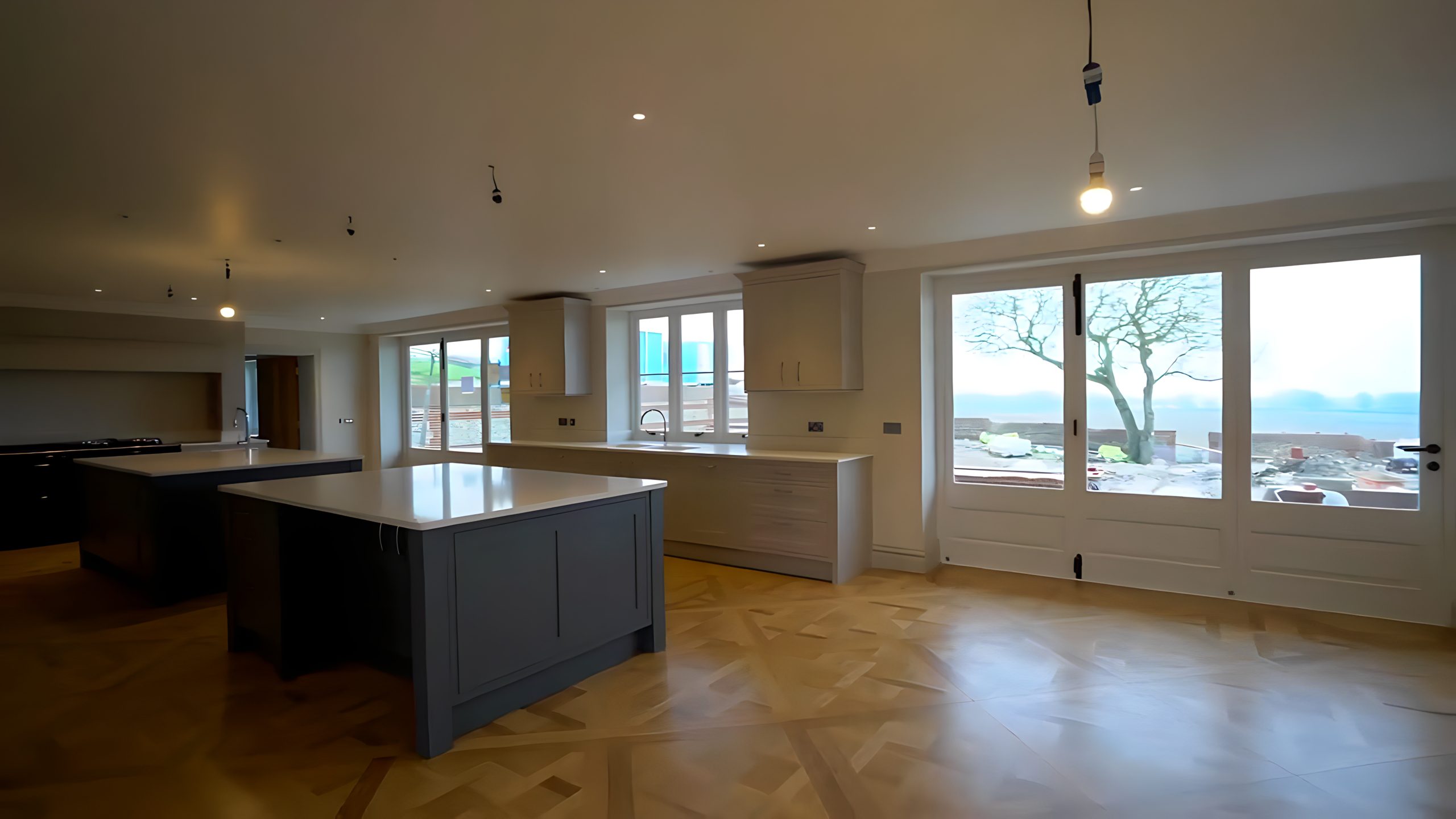
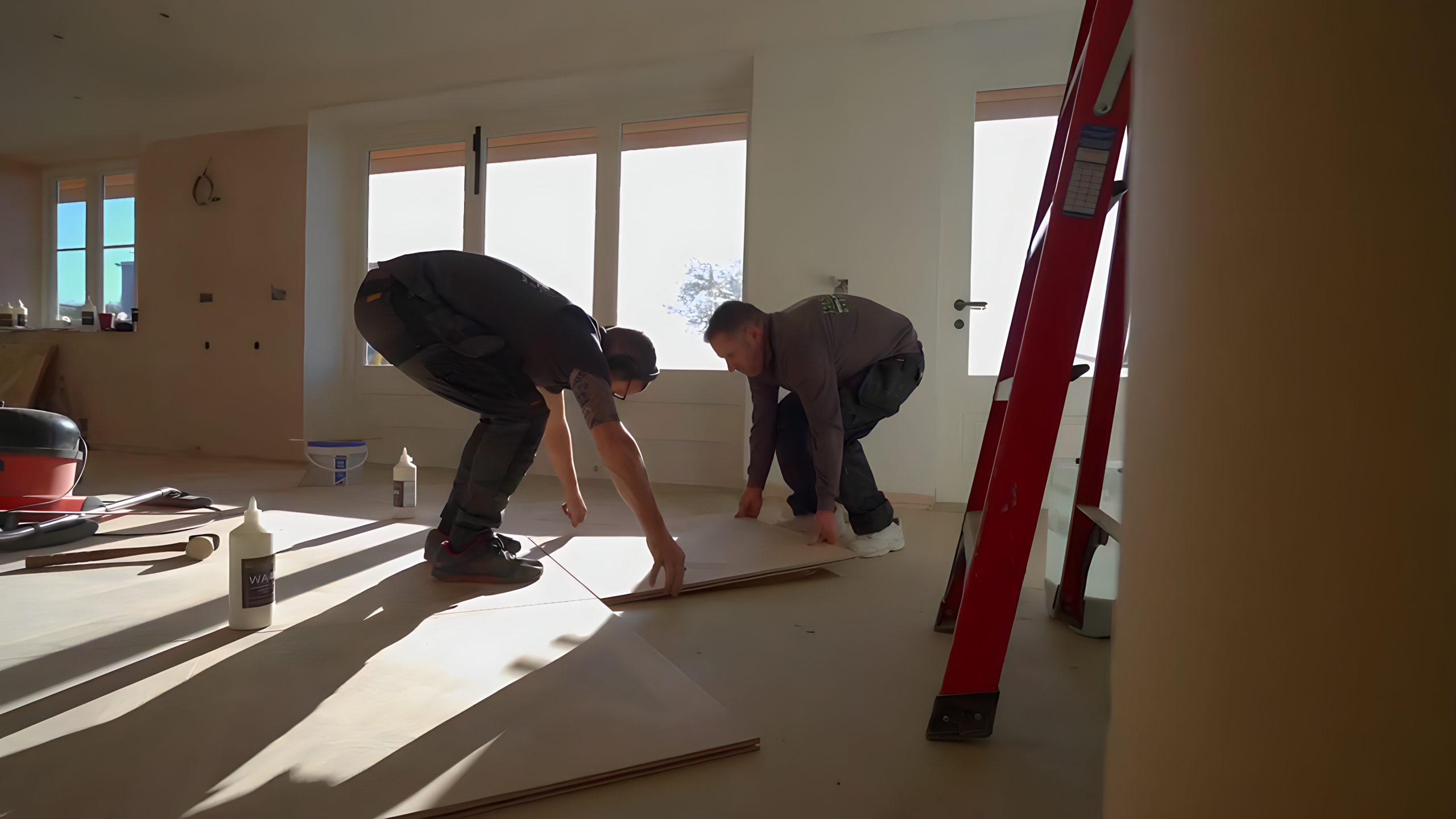
- Versailles panels – large square panels with intricate geometric designs
Because parquet uses smaller pieces of wood, it allows for much more creative floor designs, turning the floor itself into a design feature rather than just a surface.
Where Did Parquet Flooring Originate?
Parquet flooring originated in France during the 16th century.
Before parquet became popular, many European palaces used marble flooring. While marble looked impressive, it required constant maintenance and was prone to damage from moisture and structural movement.
French craftsmen began experimenting with wood blocks arranged in decorative patterns, which proved to be far more practical while still delivering a luxurious aesthetic.
Parquet quickly became a symbol of status and craftsmanship, particularly in French aristocratic buildings.
One of the most famous early examples is the Palace of Versailles, where the intricate Versailles parquet pattern replaced marble floors in 1684. This style later spread across Europe and became common in grand homes, manor houses, and stately buildings.
How Parquet Became Popular Across Europe
Following its introduction in France, parquet flooring quickly spread across Europe during the 17th and 18th centuries.
Architects and designers embraced parquet because it offered:
- Greater durability than stone flooring
- A warmer and more comfortable surface
- The ability to create decorative patterns using natural wood
In countries such as the UK, parquet became particularly common in Victorian and Edwardian homes, where it was often used in hallways, dining rooms, and reception rooms.
Many of these floors still exist today and can often be restored rather than replaced, which is a testament to how durable parquet flooring can be when properly installed.
Why Parquet Flooring Is Still Popular Today
Despite originating over 400 years ago, parquet flooring remains incredibly popular in modern interiors.
There are several reasons for this.
Timeless Design
Parquet offers a level of visual character that standard plank flooring simply can’t match. Patterns like herringbone instantly add elegance and structure to a room.
Because of this, parquet works equally well in:
- Period homes
- Contemporary interiors
- Luxury renovations
Durability
Traditional parquet floors are made from solid hardwood blocks, which means they can often be sanded and refinished multiple times over their lifetime.
This makes parquet flooring one of the most long-lasting flooring options available.
Versatility
Modern parquet flooring is available in a wide range of finishes and tones, from:
- Light Scandinavian oak
- Natural warm wood tones
- Dark smoked or stained finishes
This flexibility allows parquet to suit both classic and modern interior styles.
Is Parquet Flooring Back in Style?
In many ways, parquet flooring has never truly gone out of style.
However, in recent years there has been a noticeable resurgence in demand—particularly for herringbone parquet.
Interior designers increasingly favour parquet because it adds architectural interest and texture without overwhelming the space.
In the UK especially, homeowners renovating period properties often choose parquet because it helps restore the character of the home while still feeling contemporary.
Final Thoughts
Parquet flooring is more than just a flooring style—it’s a piece of design history.
Originating in 16th-century France, parquet was once reserved for palaces and aristocratic homes. Over time, its durability, craftsmanship, and timeless aesthetic allowed it to become a staple of homes across Europe.
Today, parquet continues to be one of the most elegant and distinctive hardwood flooring options available. Whether in a historic townhouse or a modern renovation, the geometric patterns and natural beauty of parquet ensure it remains as relevant today as it was centuries ago.