Wood flooring is one of the few materials that actually improves with age if you treat it properly. Clean it wrong, and you’ll strip finishes, warp boards, and shorten its lifespan by years.
This guide shows you exactly how to clean wood flooring safely, whether it’s engineered, solid, oiled, or lacquered, without the myths, damage, or guesswork.
Quick Answer
The safest way to clean wood flooring is to sweep or vacuum regularly, then use a lightly damp microfibre mop with a pH-neutral wood floor cleaner. Avoid excess water, steam mops, and harsh chemicals, as these can damage the finish and cause warping.
Why Most People Damage Their Wood Floors
Most advice online is either:
- Too generic (same method for every floor type)
- Or too aggressive (over-cleaning, too much water, wrong products)
The reality is simple:
Wood isn’t the problem. Moisture and chemicals are.
At Just Wood, we see floors ruined not from wear, but from cleaning mistakes.
Step-by-Step: The Correct Way to Clean Wood Flooring
1. Remove Dust and Grit Daily (Or As Often As Needed)
Use:
- A soft broom
- Or a vacuum with a hardwood attachment
Why it matters:
Dust and grit act like sandpaper, slowly scratching your finish.
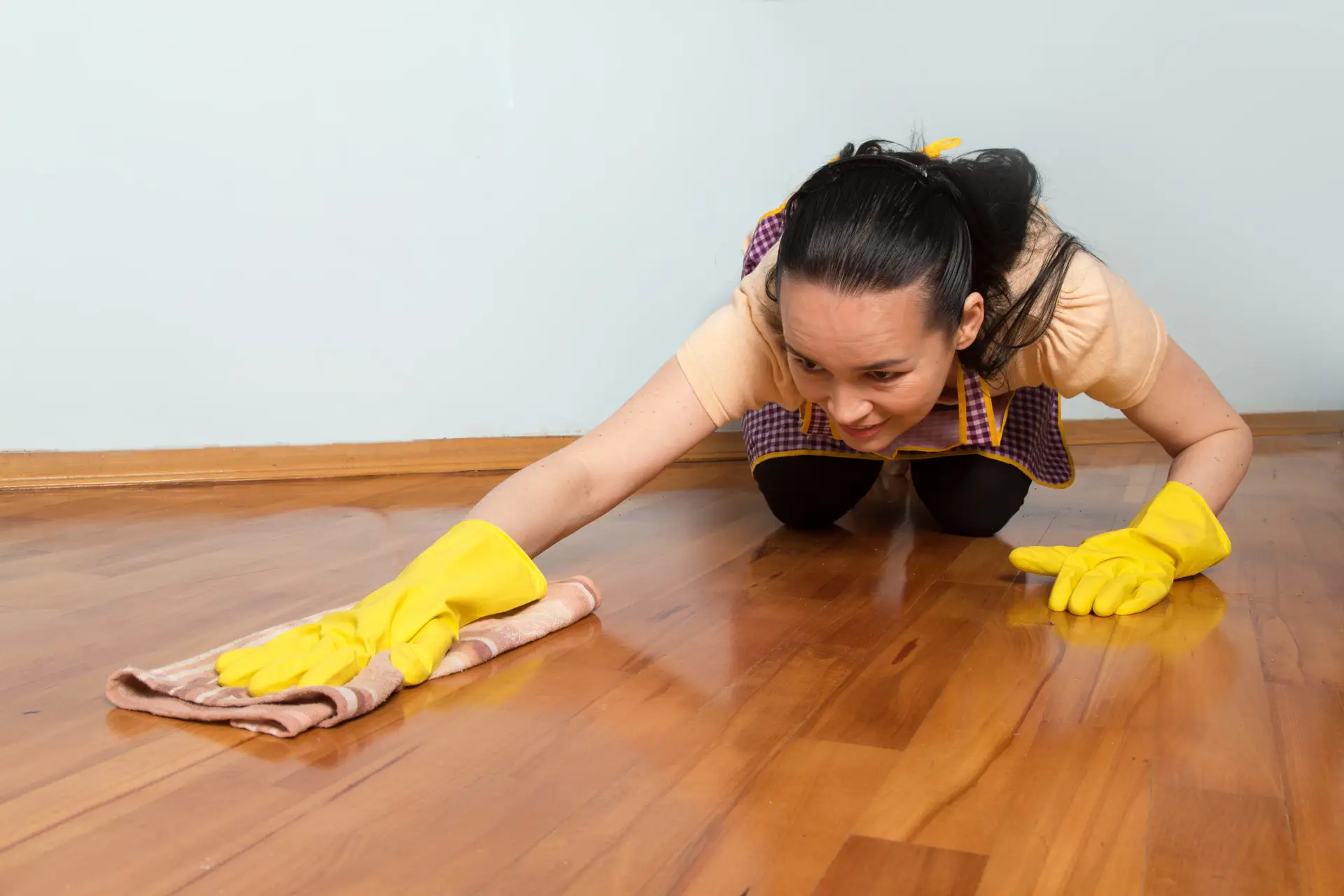
2. Use a Slightly Damp Microfibre Mop (Not Wet)
This is where most people go wrong.
- Lightly mist the mop, not the floor
- Mop in the direction of the grain
- Never leave standing moisture
Golden rule:
If the floor looks wet, you’ve used too much water.
3. Use the Right Cleaner (pH-Neutral Only)
Avoid:
- Bleach
- Vinegar
- Multi-surface sprays
- Anything “strong” or acidic
Use:
- A dedicated wood floor cleaner designed for your finish
Why:
Harsh cleaners break down protective coatings over time.
4. Dry Immediately if Needed
If there’s any moisture left:
- Go over with a dry microfibre cloth
This prevents:
- Water marks
- Swelling
- Long-term warping
What NOT to Do (This Is Where Damage Happens)
❌ Steam Mops
They force heat and moisture deep into the wood.
❌ Soaking Wet Mops
Water seeps into joins and causes expansion.
❌ Vinegar Solutions
Popular online, but slowly degrade finishes.
❌ Leaving Spills
Even small spills can stain or warp if ignored.
Different Wood Floors Require Slightly Different Care
Engineered Wood Flooring
- More stable than solid wood
- Still sensitive to moisture
- Clean the same way, but slightly more forgiving
Solid Wood Flooring
- More prone to movement
- Needs stricter moisture control
- Avoid over-cleaning entirely
Oiled vs Lacquered Floors
Oiled Floors
- Need occasional re-oiling
- Use specialist cleaners
Lacquered Floors
- Easier to maintain
- More resistant to spills
How Often Should You Clean Wood Flooring?
- Daily: Light sweep or vacuum (high traffic areas)
- Weekly: Damp mop
- As needed: Spot clean spills immediately
Over-cleaning can be just as damaging as neglect.
Pro Tips From Flooring Specialists
- Use entrance mats to reduce dirt
- Avoid rubber-backed mats (they trap moisture)
- Keep pet nails trimmed
- Use furniture pads to prevent scratches
When Cleaning Isn’t Enough
If your floor looks:
- Dull
- Scratched
- Worn down
Cleaning won’t fix it.
You may need:
- Professional restoration
- Sanding and refinishing
- Re-oiling or resealing
This is where proper maintenance pays off. Done right, wood flooring can last decades.