Wood flooring is one of the most durable, long-lasting surfaces you can install in a home. Yet one of the most common questions we’re asked is:
“How often should I clean it?”
The honest answer? It depends on how you live, not just what you’ve installed.
Below is a realistic, no-nonsense guide to cleaning frequency, based on what we see in UK homes every day.
Daily: Light Maintenance (Not Deep Cleaning)
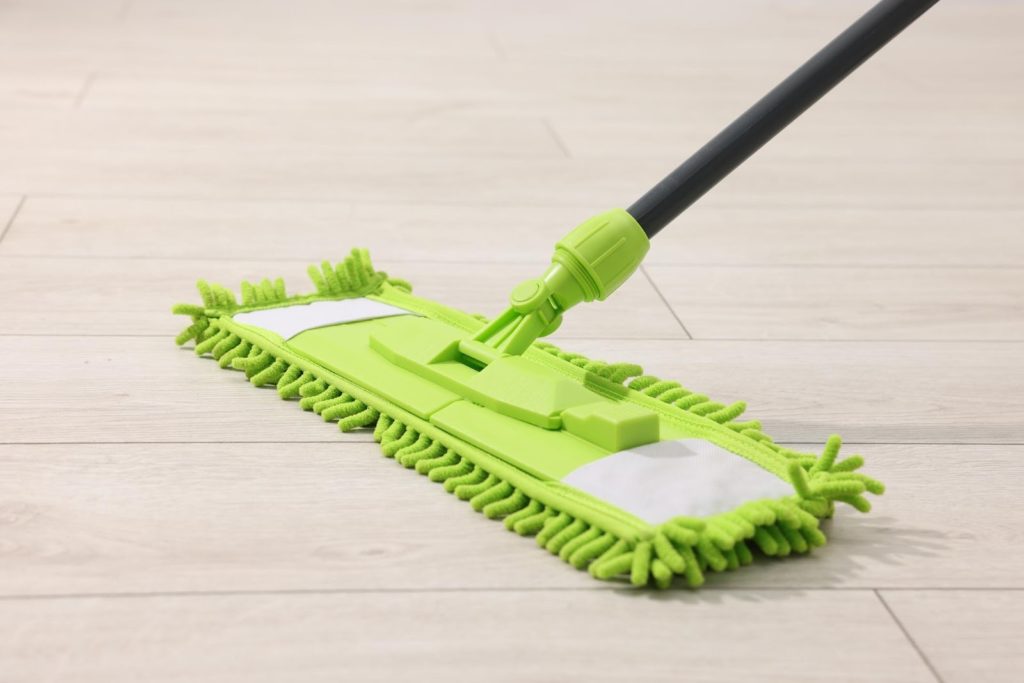
For most households, a quick daily sweep or dust mop in high-traffic areas is ideal.
Hallways, kitchens and open-plan living spaces collect:
- Grit from outside (especially in the UK with wet weather)
- Pet hair
- Fine dust
- Small stones that can scratch finishes
You don’t need to mop daily. In fact, too much moisture is one of the biggest causes of premature wear.
Best practice:
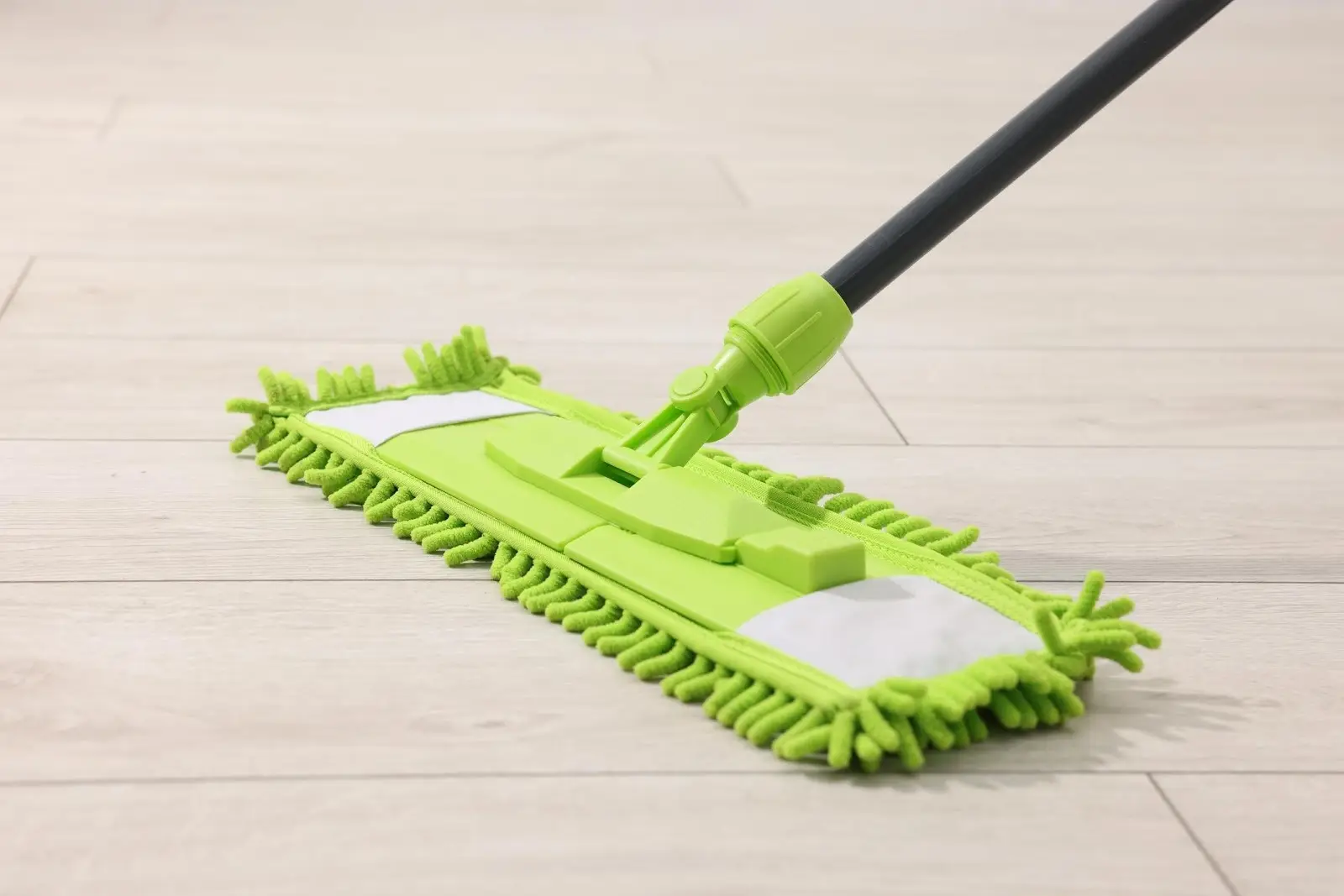
- Use a soft brush vacuum head or microfibre dust mop
- Avoid anything abrasive
- Never leave standing water
Think of daily care as scratch prevention, not cleaning.
Weekly: Proper Clean
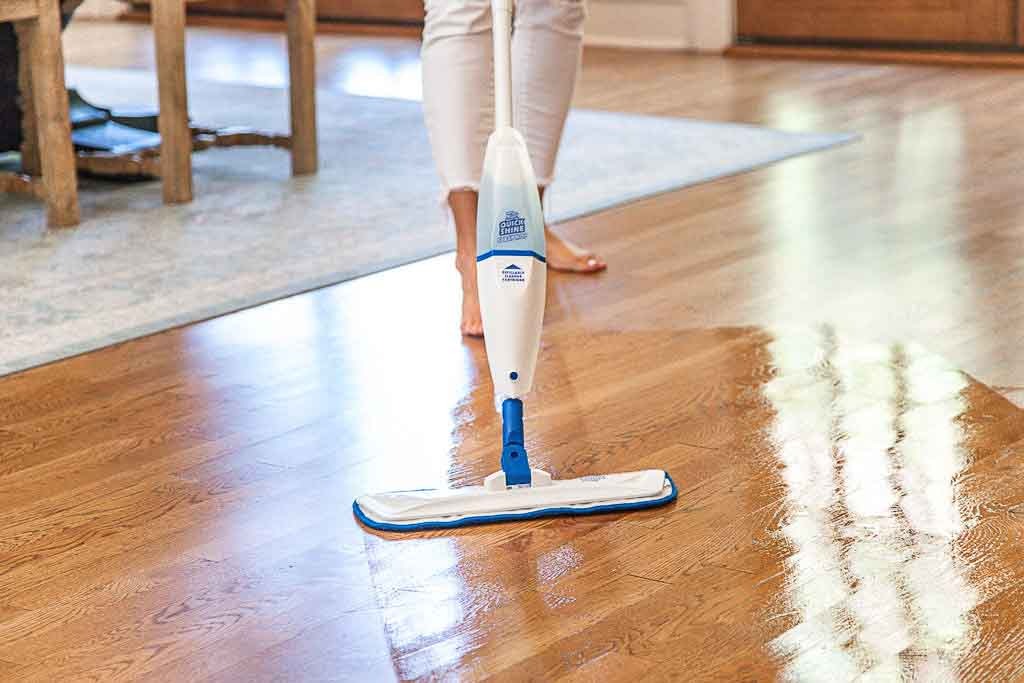
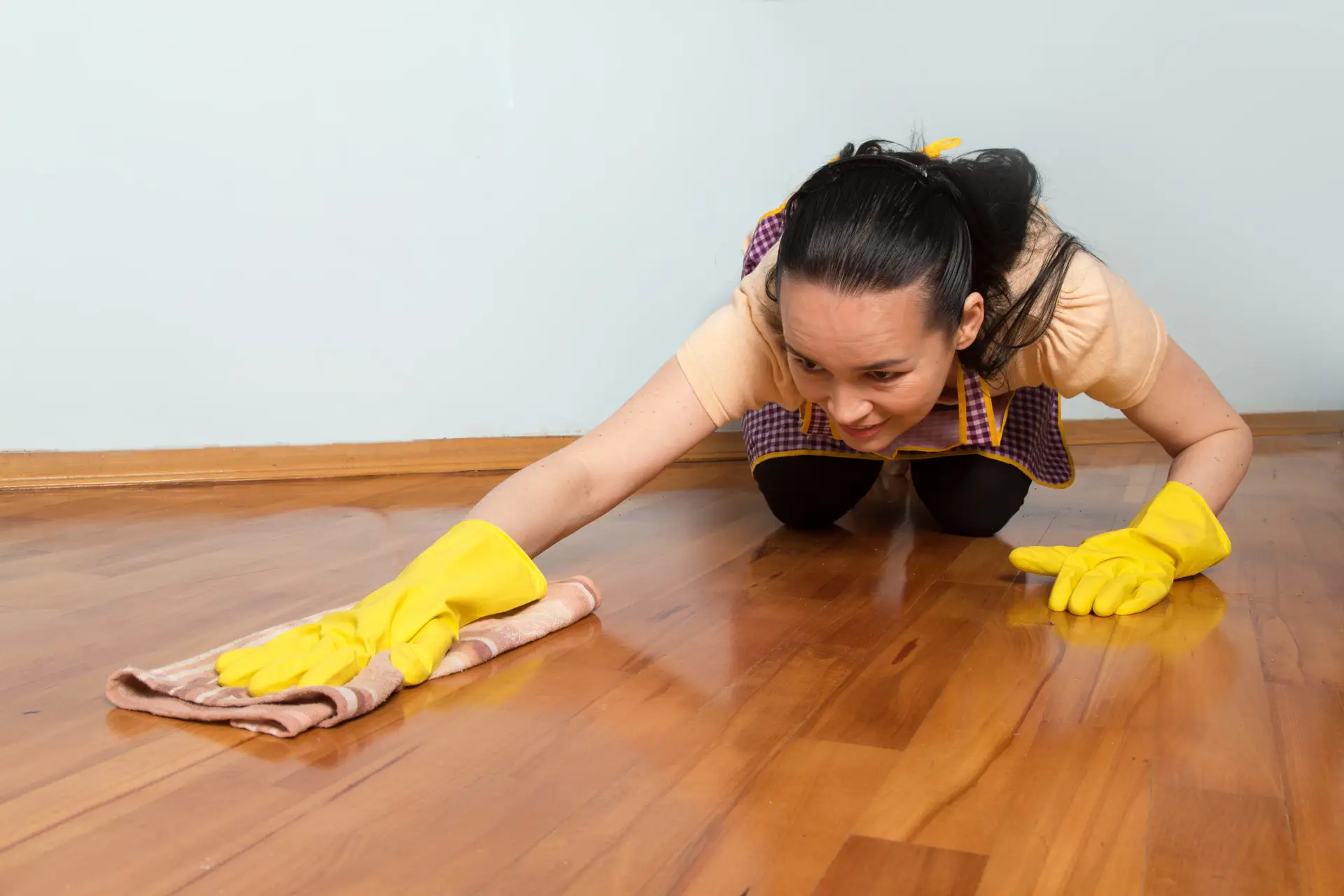
For most UK homes, a weekly clean with a lightly damp mop is sufficient.
Key word: lightly.
Wood and water are not enemies, but excess water absolutely is.
Use:
- A pH-neutral wood floor cleaner
- A spray mop (controlled moisture)
- A well-wrung microfibre mop
Avoid:
- Steam mops
- Soaking wet mops
- Vinegar solutions (they can degrade finishes over time)
If you have pets, children, or heavy foot traffic, you may increase this to twice weekly.
Monthly: Check & Maintain the Finish
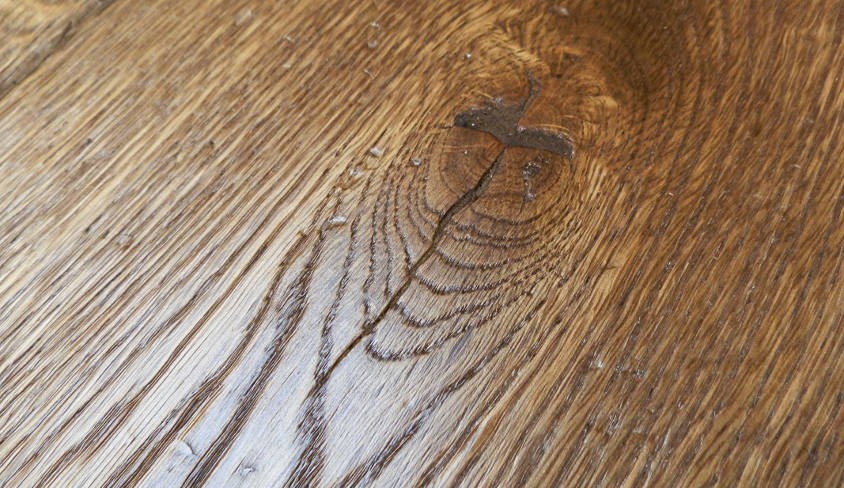
Once a month, take 5 minutes to inspect your floor.
Look for:
- Dull patches in walkways
- Dry-looking areas on oiled floors
- Early signs of wear near doorways
The cleaning schedule changes slightly depending on your finish:
Oiled Floors
May require:
- Periodic top-up maintenance oil
- Refresh products every few months in high-traffic areas
Lacquered Floors
Generally:
- Easier weekly cleaning
- Less frequent maintenance
- But harder to spot wear until it’s more advanced
Every 1–3 Years: Professional Maintenance (If Needed)
A well-maintained engineered or solid wood floor in the UK should not need sanding for many years.
However:
- Oiled floors may benefit from a professional deep clean and re-oil every few years.
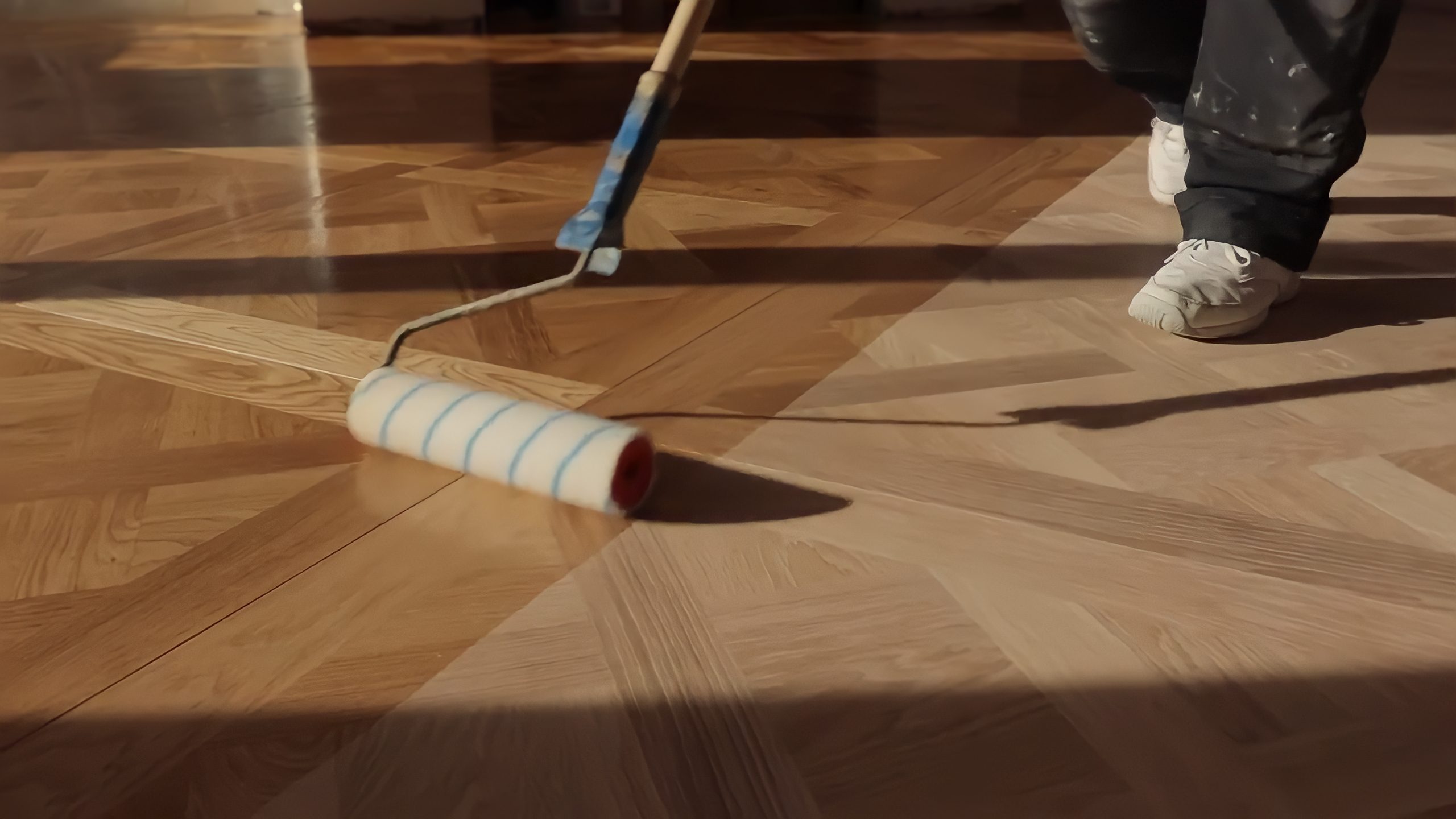
- Lacquered floors may eventually require screening and recoating once wear becomes visible.
Proper weekly care dramatically extends this timeline.
We regularly see floors that are 15–20 years old and still performing beautifully — purely because the homeowner followed simple maintenance routines.
What Actually Damages Wood Floors?
In our experience, damage rarely comes from not cleaning enough.
It usually comes from:
- Too much water
- Steam mops
- Harsh supermarket chemicals
- Grit left sitting on the surface
- Ignoring small issues until they become large ones
Wood flooring isn’t high maintenance.
It’s low maintenance when done properly.
Does Cleaning Frequency Change by Household?
Yes.
Here’s a realistic UK breakdown:
| Household Type | Suggested Cleaning |
| Couple, no pets | Weekly mop + light daily sweep |
| Family with children | Light sweep most days + weekly mop |
| Dogs in rural area | Sweep daily + mop 1–2 times weekly |
| Commercial / high traffic | Structured cleaning schedule |
If you live in a rural area or frequently walk in with muddy shoes, a good entrance mat is as important as your mop.
Engineered vs Solid Wood – Does It Matter?
In terms of cleaning frequency, not significantly.
Both should be treated with care.
What matters more is:
- The finish (oiled or lacquered)
- The traffic level
- The environment (humidity, underfloor heating, etc.)
Final Word: Clean Smart, Not Often
You don’t need to obsess over wood floors.
You need consistency.
- Remove grit regularly
- Use minimal moisture
- Choose the right products
- Act early if you notice wear
When maintained correctly, wood flooring is one of the longest-lasting surfaces you can install in a UK home.
If you’re unsure whether you’re cleaning correctly, or you’re noticing early signs of wear, it’s always better to ask before the damage becomes permanent.
A five-minute conversation can prevent a five-thousand-pound mistake.