Wooden flooring is often seen today as a design choice. Something you pick to match a sofa or a paint colour.
Historically, though, it was a statement of power, craftsmanship, and permanence — long before it became a lifestyle trend.
From draughty castles to clean-lined modern homes, wooden flooring has evolved with architecture, technology, and the way we live. But one thing hasn’t changed: when it’s done properly, it lasts.
Medieval beginnings: flooring built for survival, not style
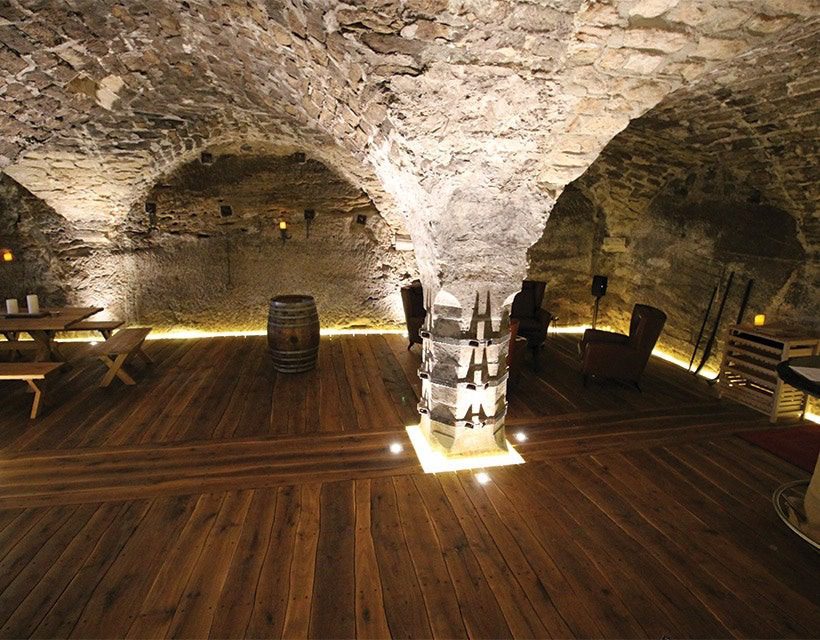
In medieval castles and fortresses, wooden floors weren’t about comfort — they were about function.
Stone was cold, unforgiving, and damp. Raised timber floors:
- Provided insulation
- Allowed air to circulate
- Protected occupants from ground moisture
These early floors were made from thick, slow-grown oak planks, often rough-cut and laid directly onto heavy joists. No finishes. No underlay. No shortcuts.
Many of these floors still exist today — not because they were pretty, but because they were over-engineered.
Lesson from history: Thickness, quality timber, and simple construction outlast trends every time.
Stately homes and status: when wood became a symbol of wealth
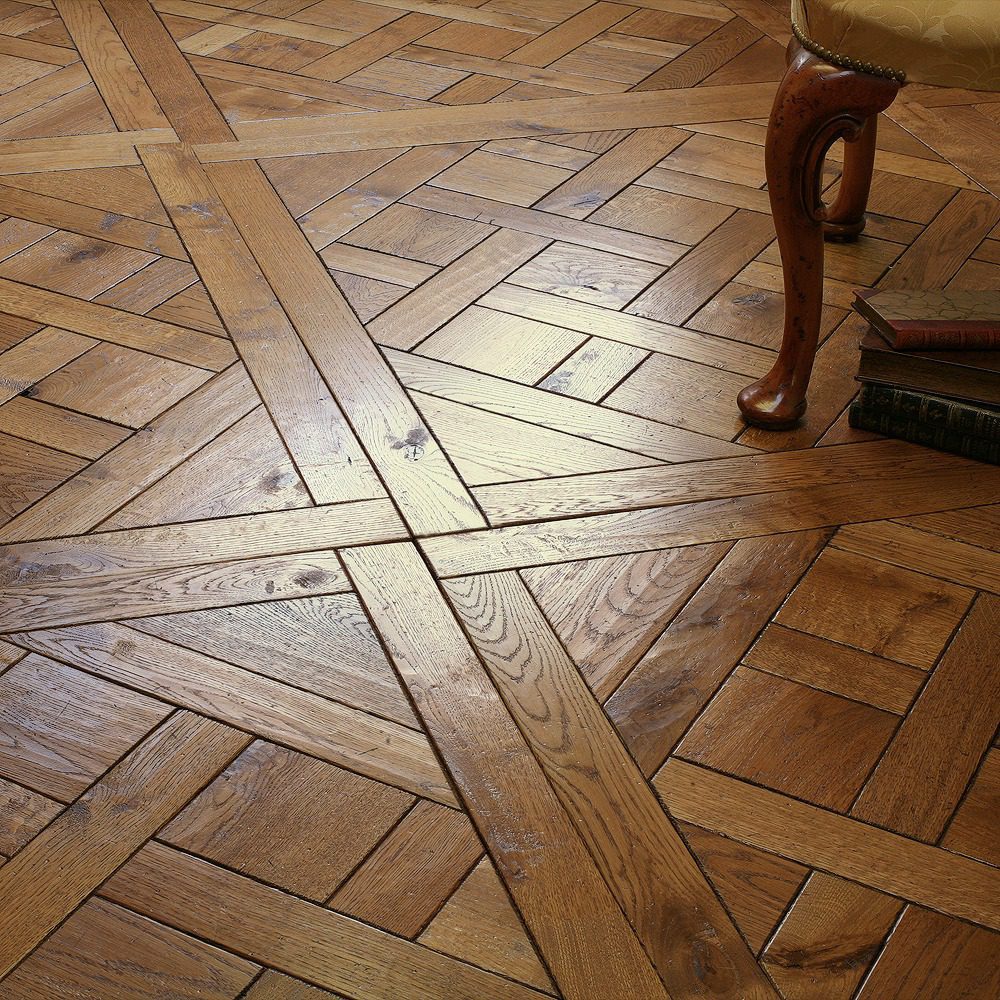
By the 17th and 18th centuries, wooden flooring moved from necessity to status symbol.
In stately homes and palaces:
- Intricate parquet replaced wide planks
- Patterns demonstrated wealth and craftsmanship
- Floors were designed to be admired, not hidden
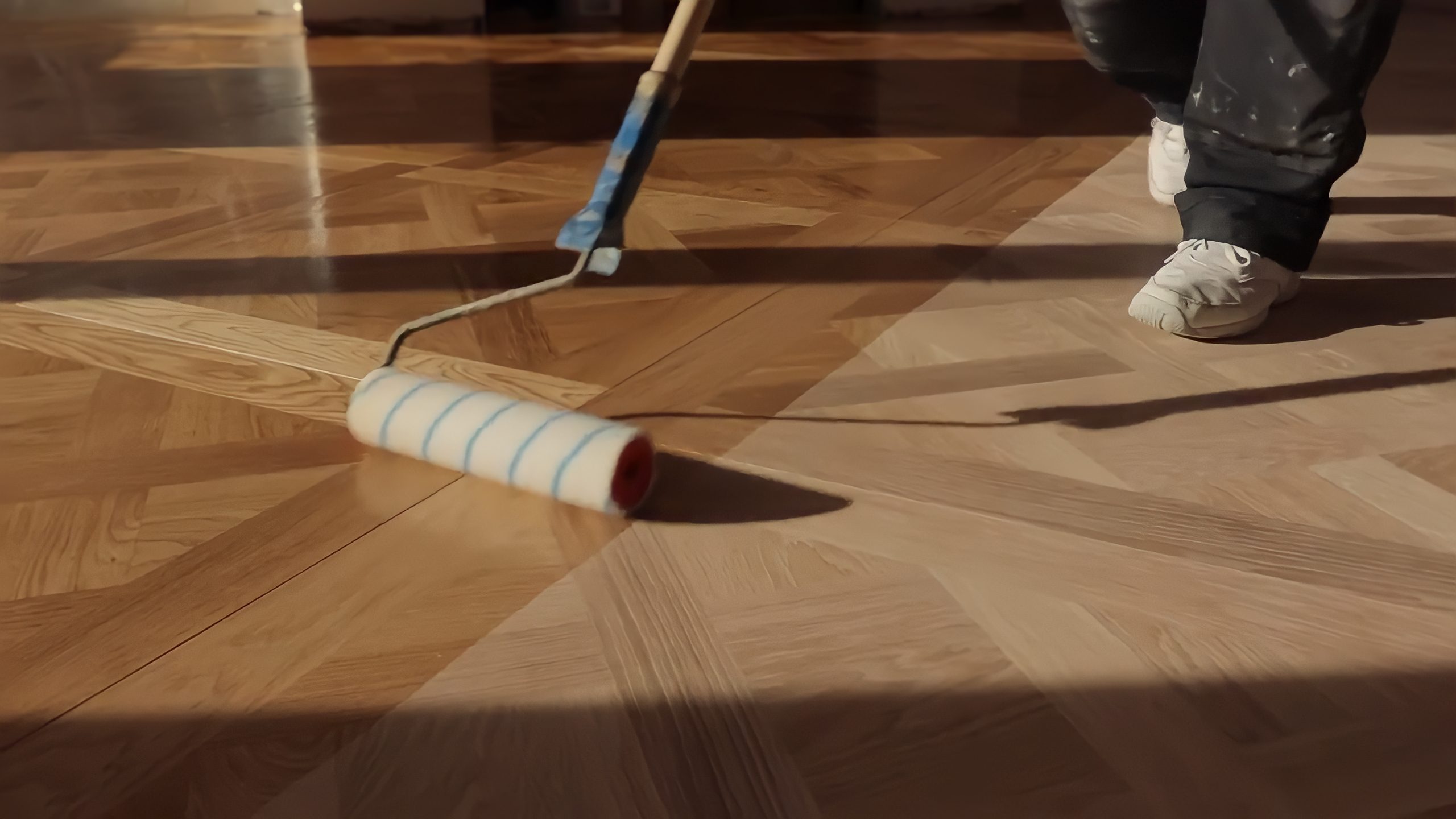
Parquet styles such as herringbone, chevron, and Versailles weren’t just decorative — they were engineering solutions that allowed wood to expand and contract without failing.
This is why so many historic parquet floors are still serviceable centuries later.
Modern misconception: Parquet is a “trend”.
Reality: It’s one of the most stable wood flooring systems ever invented.
The Victorian era: wood flooring goes mainstream
The Industrial Revolution changed everything.
Timber could be:
- Milled more consistently
- Transported nationwide
- Installed faster and cheaper
Victorian homes introduced wooden flooring to the growing middle class. Pine and softwoods became common upstairs, while hardwoods remained downstairs where durability mattered most.
Painted floorboards, rugs, and runners became normal — not because wood was disposable, but because it was expected to last underneath.
Many Victorian floors still in homes today only need sanding and refinishing to return to life.
Key takeaway: Floors were installed with the expectation they would be renewed, not replaced.
Mid-20th century decline: when wood fell out of favour
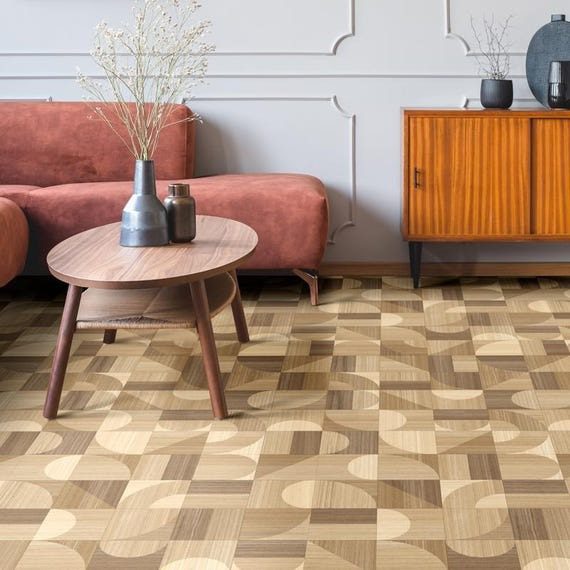
Post-war housing prioritised speed and cost. Carpet, vinyl, and synthetic materials promised:
- Warmth
- Convenience
- Low upfront prices
Wooden floors were often covered up, not removed. In many cases, the best floors in a house were hidden for decades.
This period is why people still “discover” original wood floors today — because they were never meant to be thrown away.
The modern revival: rediscovering what already worked
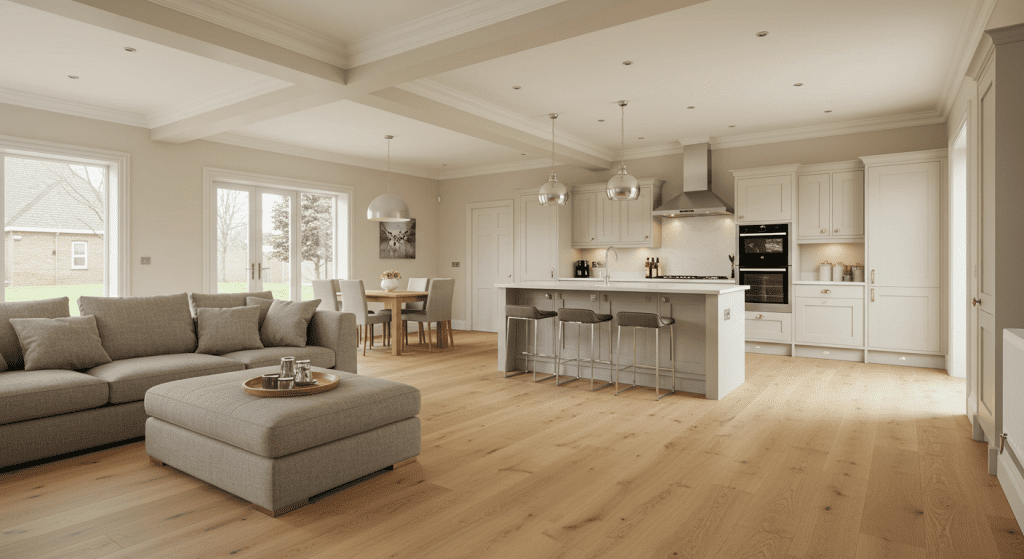
Modern homes have brought wooden flooring back — but with lessons learned.
Today we benefit from:
- Engineered construction for stability
- Better finishes and sealers
- Underfloor heating compatibility
At the same time, design trends have circled back:
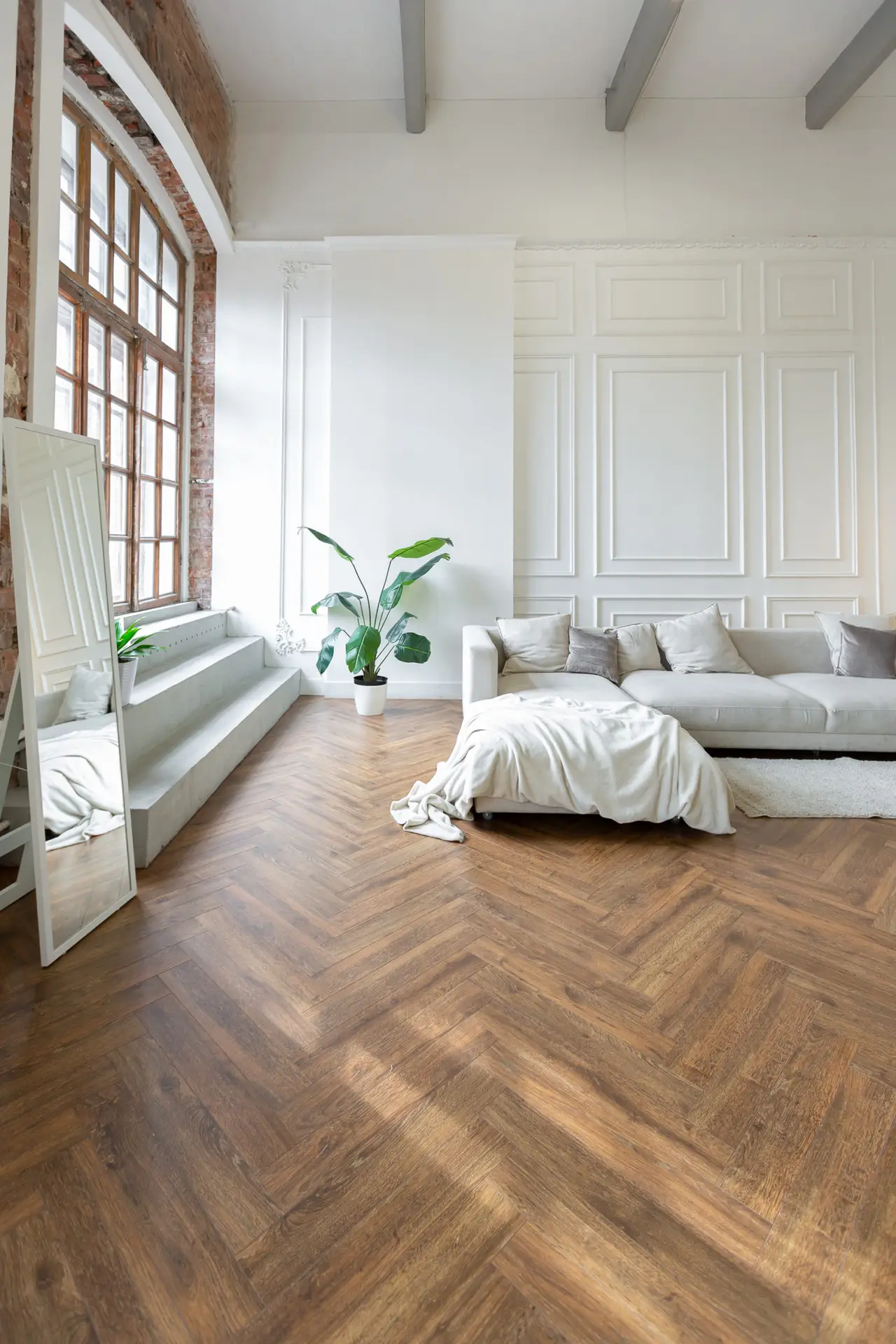
- Herringbone and parquet are everywhere
- Natural, matte finishes dominate
- Character and grain are celebrated, not hidden
This isn’t nostalgia — it’s evolution. The industry has taken centuries-old principles and refined them for modern living.
Solid wood vs modern systems: an honest view
Historic solid wood floors:
- Can last hundreds of years
- Can be sanded repeatedly
- Improve with age
Modern engineered floors:
- Are more dimensionally stable
- Perform better with heating systems
- Suit modern construction methods
The mistake isn’t choosing one over the other — it’s choosing poor quality.
History proves that wood flooring succeeds when:
- The timber is good
- The construction respects movement
- The installation is done properly
Those rules haven’t changed in 500 years.
Sustainability: history’s biggest lesson
The most sustainable floor is often the one that already exists.
Historic wooden floors show us that:
- Repair beats replacement
- Sanding beats ripping out
- Longevity beats fast fashion interiors
A floor that lasts 100 years is far more sustainable than one replaced every decade, no matter how “eco” the marketing claims.
Final thoughts: what history teaches modern homeowners
Wooden flooring has survived castles, wars, industrialisation, and design trends — because it works.
The biggest lesson history teaches us is simple:
Good wood flooring is not a trend. It’s infrastructure.
Choose it well, install it properly, and it won’t just suit your home — it will outlive it.