
As temperatures drop and heating ramps up, wooden floors face one of their toughest seasons. Winter brings low humidity, sudden temperature shifts, increased moisture from wet footwear, and general wear from everyday living. At Just Wood, we’ve spent decades installing, restoring, and maintaining wooden floors across countless British homes, and winter is consistently the period when floors require the most thoughtful care.
Whether you have engineered or solid wood, the following guidance reflects the practical, proven steps we take to keep timber stable, beautiful, and long lasting throughout the colder months.
Understand How Winter Affects Wood
Wood is a natural, breathable material that responds to its environment. In winter, two factors create the most stress:
Lower Humidity
Central heating dries out the air, which can cause wood to contract. This may lead to:
- Small gaps between boards
- Slight movement or creaking
- Minor changes in appearance
These are normal seasonal behaviours, but with good winter care, they’re easily controlled.
Increased Moisture at Entranceways
Rain, frost, and wet shoes can cause moisture to sit on the floor’s surface, damaging finishes and causing staining if not addressed quickly.
Maintain a Stable Indoor Environment
A stable home environment is one of the most effective ways to protect wooden floors during winter.
Ideal Conditions
We typically recommend:
- Humidity between 40 and 60 percent
- Room temperatures between 18 and 22 degrees
A simple digital hygrometer can help homeowners monitor conditions. If humidity drops too low, a humidifier can help maintain balance.
The Importance of Heating Control
Rapid heating changes can cause unnecessary stress on timber.
For best results:
- Bring rooms to temperature gradually
- Avoid placing floor-level heaters directly on wooden flooring
- Keep underfloor heating between 20 and 27 degrees, adjusting in small increments
Engineered wood handles winter fluctuations well, but consistency is still key for long term stability.
Protect Your Floors from Wet Weather
Moisture is the enemy of wooden flooring, particularly in winter. We always recommend simple, preventative steps:
Use Entrance Mats
High quality mats inside and outside entry points capture grit, salt, water, and general dirt that easily damages timber.
Remove Wet Shoes
Encourage family and guests to remove footwear before stepping onto wooden floors.
Even small amounts of trapped moisture can dull the finish or create water marks.
Wipe Spills Immediately
Deal with puddles or footprints as soon as possible to prevent moisture exposure.
Adjust Your Cleaning Routine for Winter
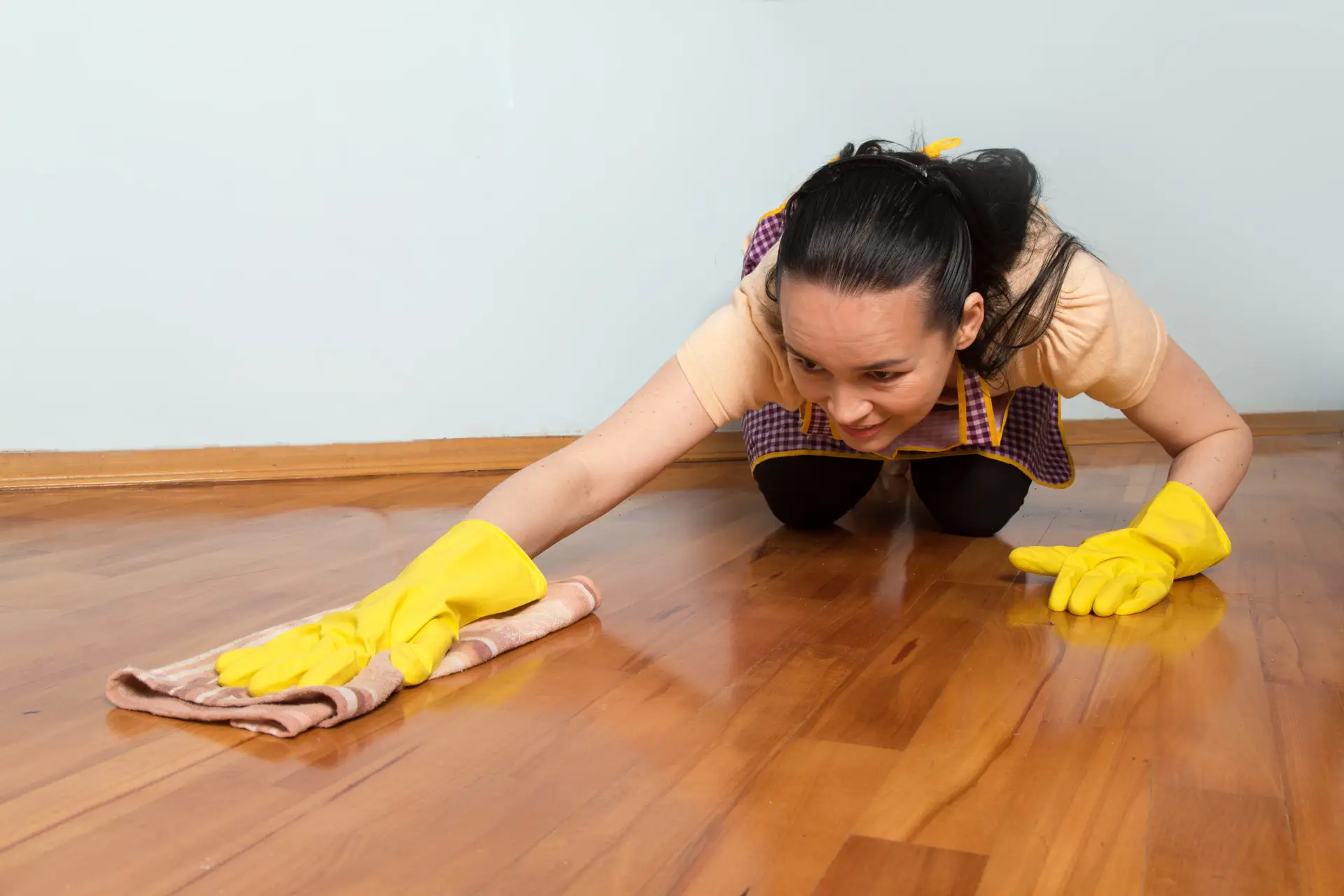
Cleaning wooden floors in winter requires a little extra care.
Dry Cleaning First
Always start with:
- Soft broom
- Microfibre mop
- Vacuum with a soft brush head
This prevents grit scratching the surface.
Minimal Moisture
When damp mopping:
- Use a lightly damp microfibre mop
- Never use steam cleaning
- Avoid harsh detergents or products containing bleach or ammonia
A pH neutral cleaner specifically formulated for wood flooring is best.
Refresh High Traffic Areas
Winter naturally increases indoor traffic. If your floors are lacquered, oiled, or stained, certain areas may show dullness sooner.
We often recommend:
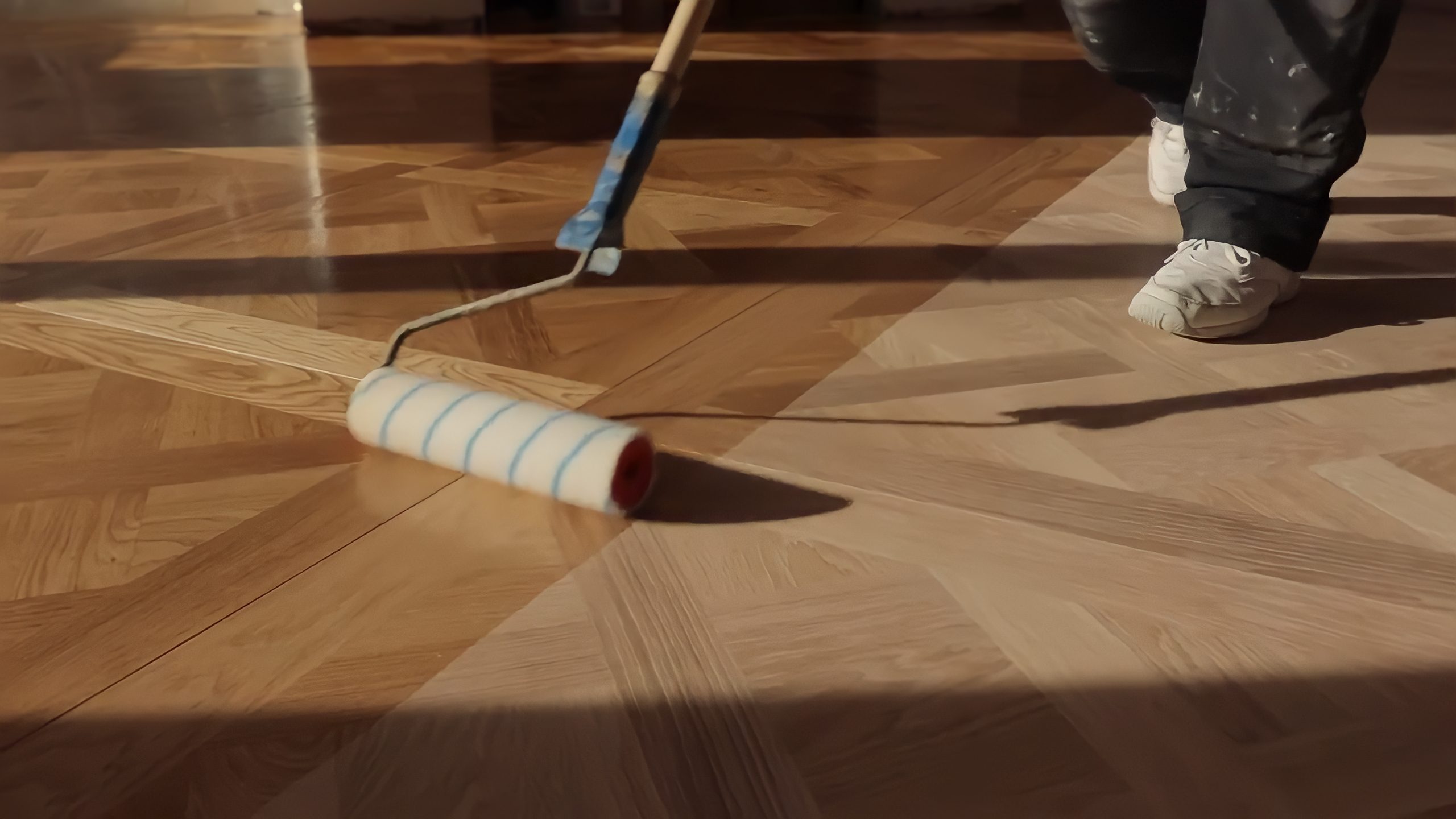
- A maintenance coat of oil for oiled floors
- A light buff and recoat for lacquered surfaces
- Professional spot repair for worn patches
Routine winter maintenance helps preserve both appearance and longevity.
Protect Furniture Contact Points
Heating and colder weather can increase movement slightly, so furniture can shift more easily.
To prevent scratches:
- Add felt protectors to chair and table legs
- Check existing pads regularly and replace when worn
- Avoid dragging furniture at all times
Be Mindful of Rugs
Rugs can be incredibly helpful in winter, but they need thoughtful use.
- Choose breathable rugs
- Avoid rubber-backed mats, which can trap moisture
- Lift rugs periodically to allow airflow
What to Expect From Your Floor in Winter
Even with perfect care, natural wood may show gentle, seasonal signs of movement. This is normal.
However, if you notice:
- Large gaps
- Significant cupping or crowning
- Areas that remain damp
- Discolouration
It’s best to arrange a professional inspection.
At Just Wood, we work with solid and engineered timber daily, so we can quickly assess whether an issue is cosmetic, seasonal, or structural.
Final Thoughts
Winter can be challenging for wooden flooring, but with the right approach it’s also a season where thoughtful care pays off long term. A few small adjustments support stability, protect the finish, and ensure that your floor remains a feature of warmth and character throughout the cold months.
For homeowners who want seasonal maintenance, restoration, or professional advice, Just Wood are always here to help with expert guidance shaped by years of hands-on experience in British homes.
If you’d like support preparing your floor for winter or restoring tired areas, simply get in touch.