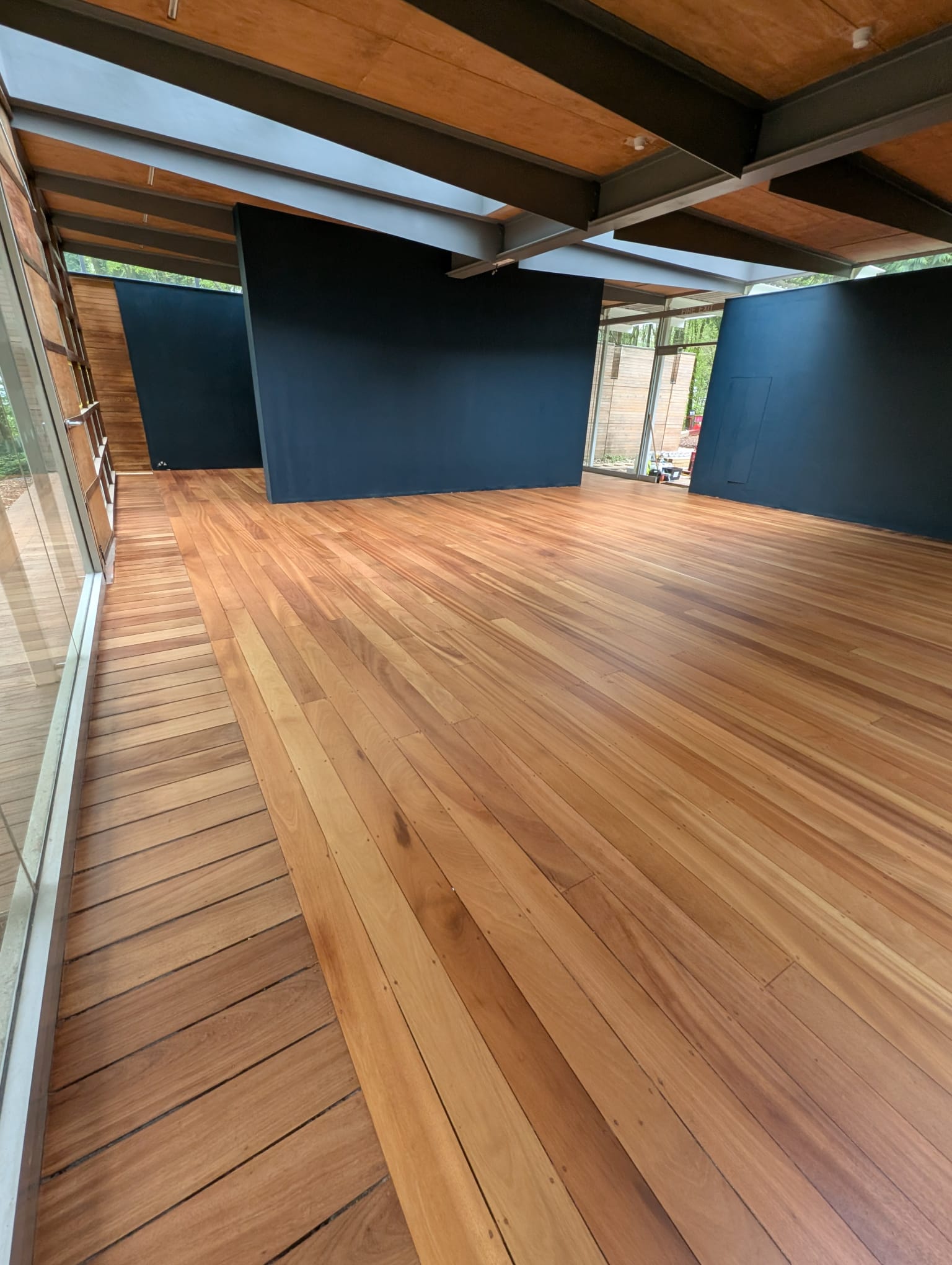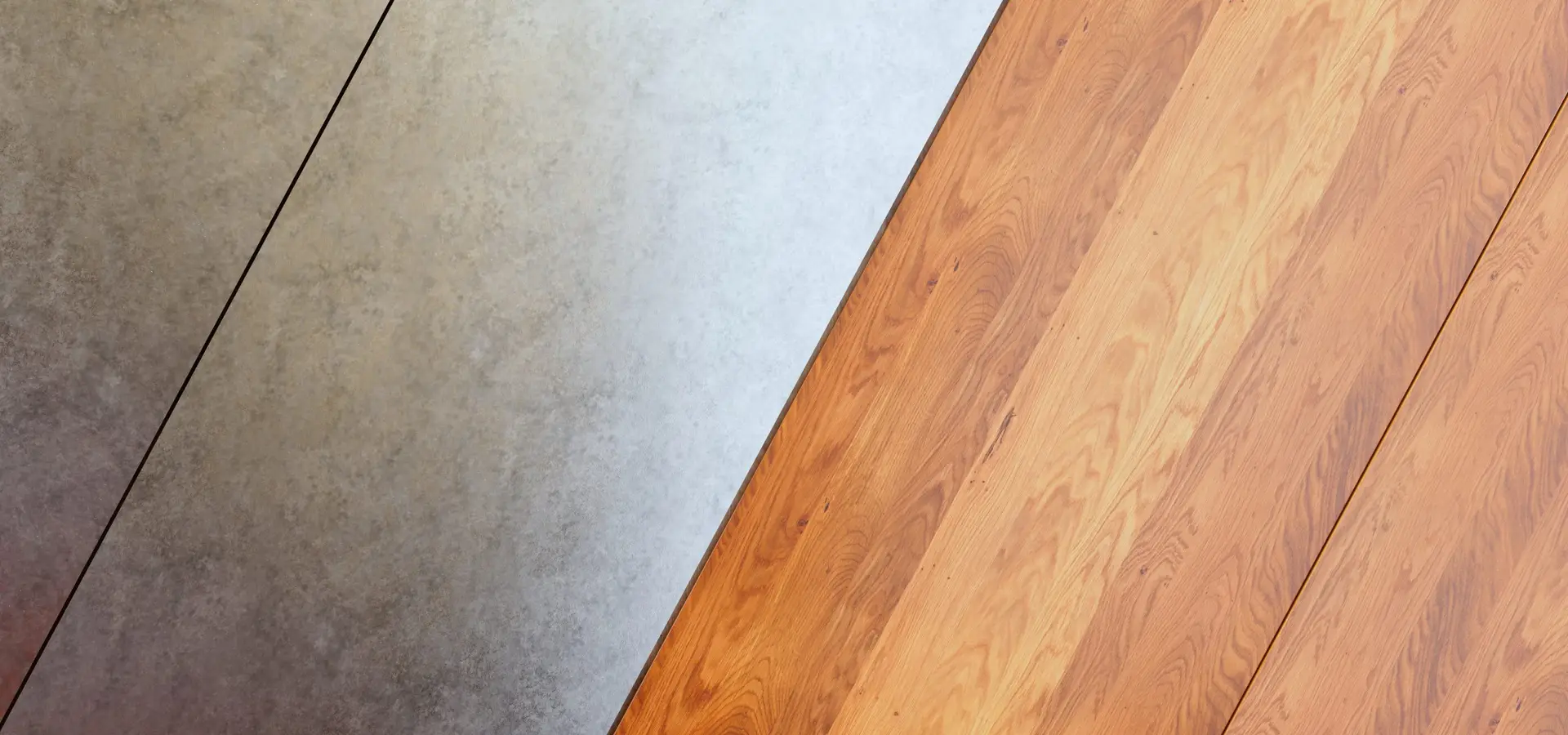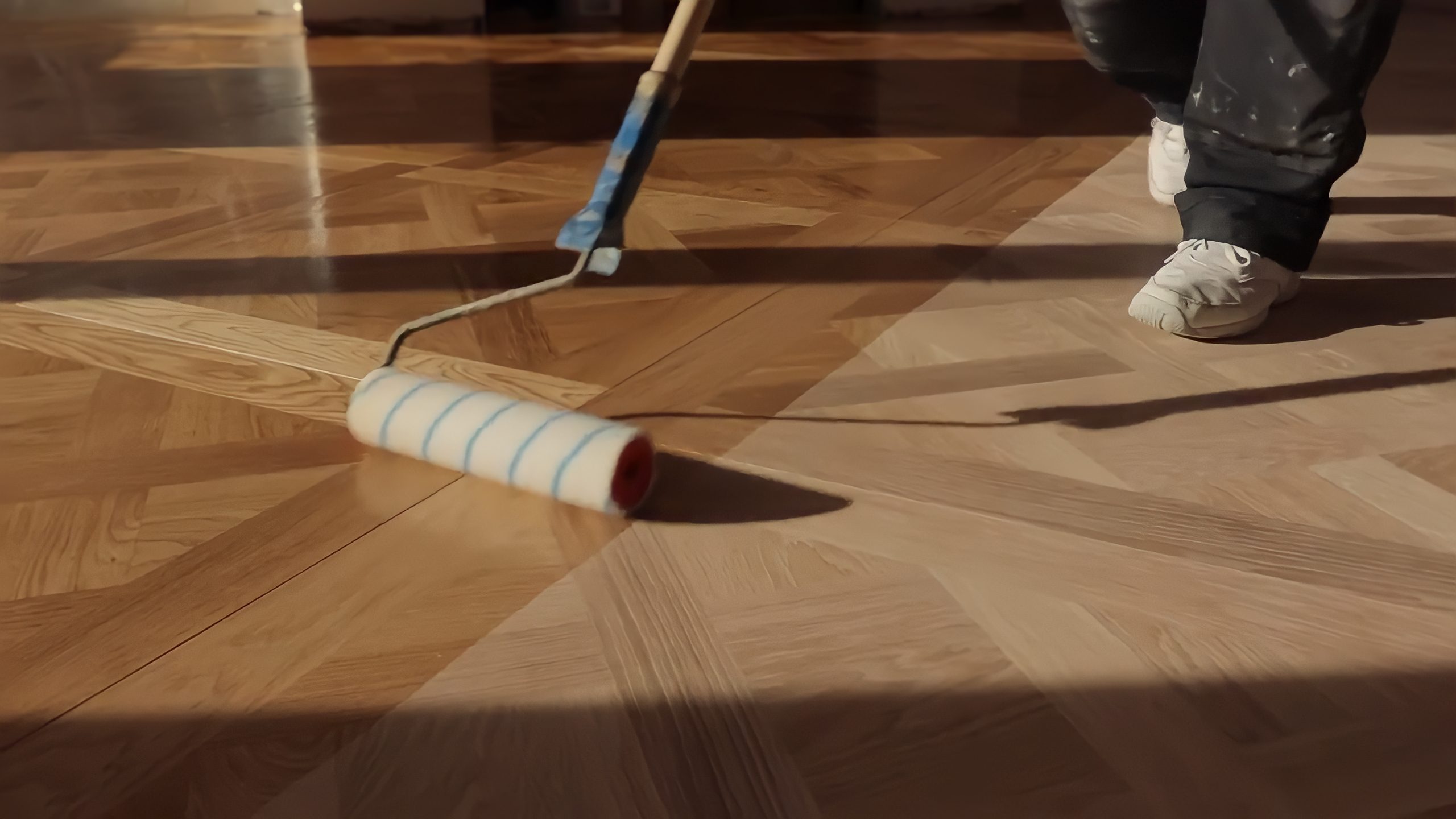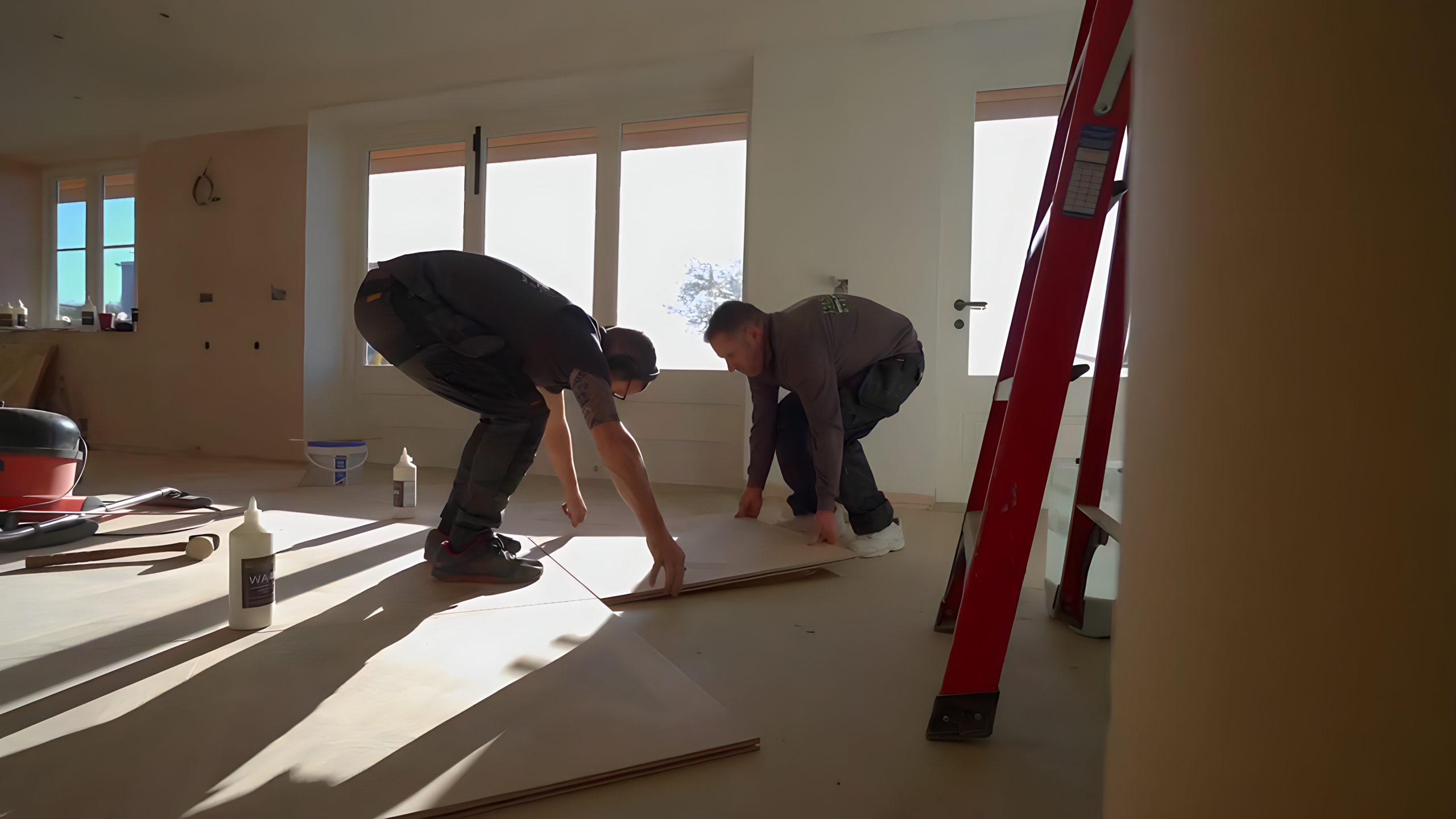
Wood flooring gives a room natural warmth, character and timeless appeal, but the way you style it makes a huge difference. The right rug can soften the space, protect busy areas and frame your furniture beautifully. The right furniture can either complement the floor or create contrast that makes the whole room feel more considered.
The key is balance. You want your rugs and furniture to enhance the wood flooring, not hide it, clash with it or make the room feel too heavy. Whether you have light oak, rich walnut, parquet, herringbone or engineered wood flooring, this guide will help you style your space with confidence.
Start with the Tone of Your Wood Flooring
Before choosing a rug or furniture, look closely at the tone of your floor. Wood is not just light, medium or dark. It usually has an undertone too.
Warm wood floors often have golden, honey, amber, red or orange tones. Oak, cherry and some walnut floors can fall into this category. These work beautifully with warm neutrals, soft creams, rust, terracotta, olive, tan, brass and natural textures.
Cool wood floors often have grey, ash, smoked or washed tones. These pair well with cooler neutrals, soft blues, sage green, charcoal, stone, black accents and brushed metal finishes.
Neutral wood floors sit somewhere in the middle. They are usually the easiest to style because they work with both warm and cool schemes, depending on the rest of the room.
A simple rule is this: if you want a calm and cohesive look, choose rugs and furniture with a similar undertone. If you want more contrast, mix light and dark pieces while keeping the undertone consistent.
Should Rugs Match or Contrast with Wood Flooring?
Rugs do not need to match your wood floor exactly. In fact, they usually work better when they create gentle contrast.
On light wood flooring, a darker or more textured rug can help anchor the room and stop the space feeling too pale or unfinished. Think taupe, warm grey, charcoal, olive, patterned wool or deeper natural tones.
On dark wood flooring, a lighter rug can lift the space and prevent the room from feeling too heavy. Cream, beige, ivory, soft grey and pale patterned rugs can all work well.
On medium wood flooring, you have the most flexibility. You can either go lighter for a softer look or darker for more definition.
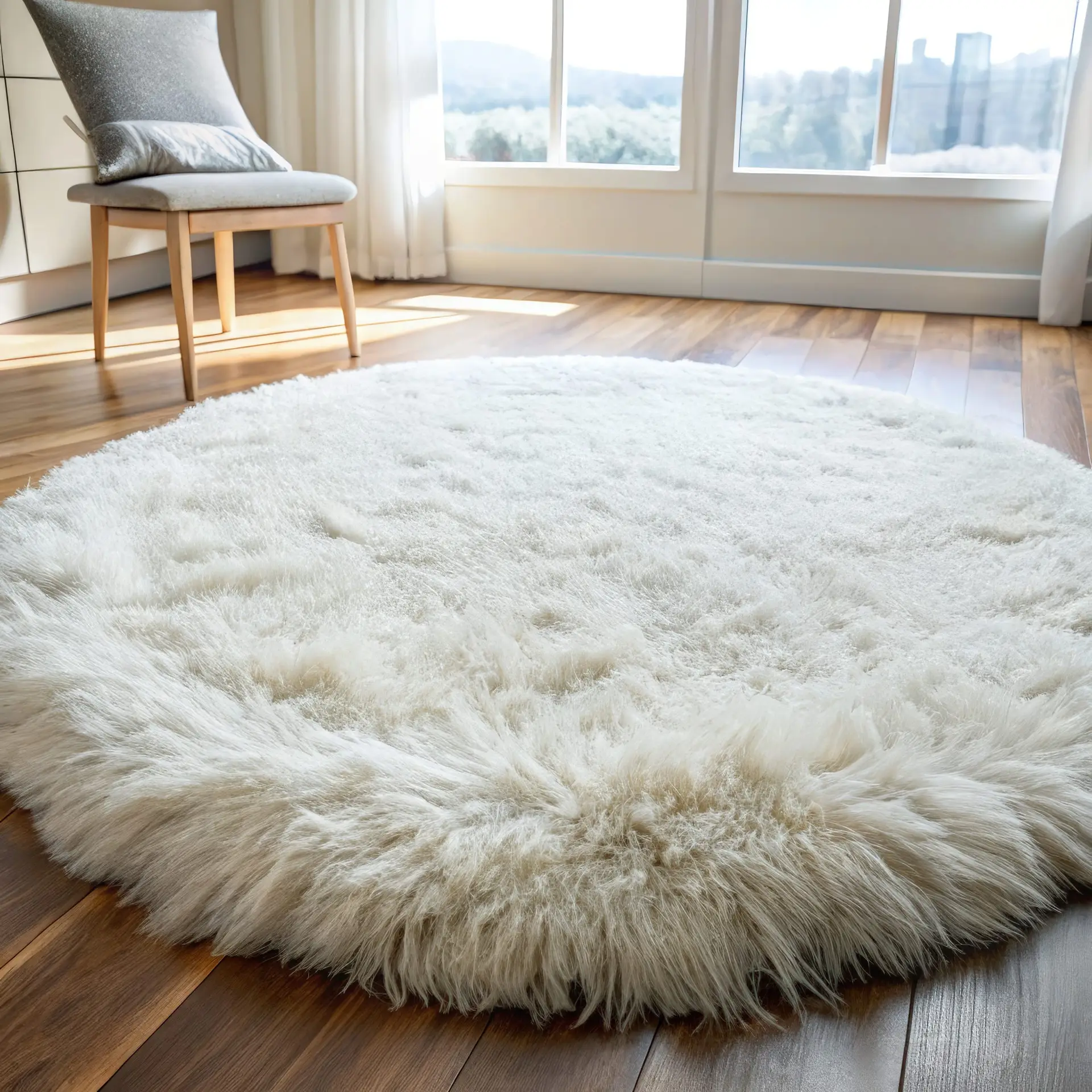
The aim is not to cover the flooring completely. A good rug should frame the furniture while still allowing enough wood to show around the edges.
Choose the Right Rug Size
Rug size is one of the most common styling mistakes. A rug that is too small can make a room feel disconnected, while a rug that is too large can hide too much of the wood flooring.
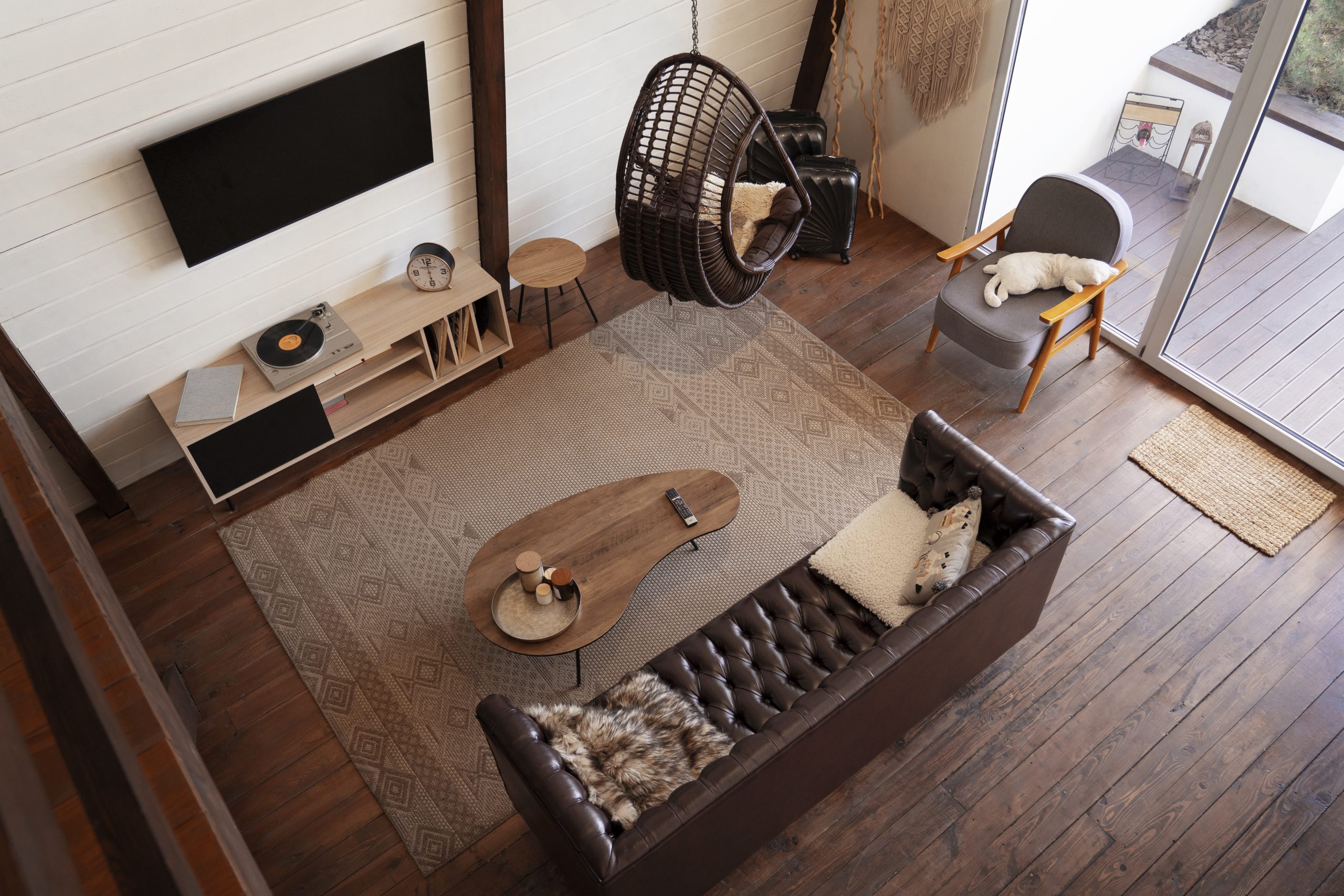
For living rooms, the rug should usually sit under at least the front legs of the sofa and chairs. This connects the seating area and makes the layout feel intentional. A small rug floating under only the coffee table often makes the room feel smaller.
For dining rooms, choose a rug large enough for the table and chairs, including when the chairs are pulled out. If the chairs catch on the edge of the rug, it will quickly become annoying and can cause unnecessary wear.
For bedrooms, the rug should extend beyond the sides and foot of the bed so you step onto softness when getting in and out. If you are using two runners instead, place one on each side of the bed for symmetry.
For hallways, a runner should follow the shape of the space while leaving a visible border of wood on either side. This keeps the floor on show and helps the hallway feel wider.
Match Furniture to Wood Flooring Without Making Everything Look the Same
Your furniture does not need to be the same wood as your flooring. In most cases, it is better if it is not.
A room where every wooden piece is the same colour can feel flat. Instead, aim for contrast and connection. For example, a pale oak floor can look beautiful with a darker walnut table, as long as other elements in the room tie the look together.
Here are a few simple ways to style wooden furniture with wood floors:
Choose furniture a few shades lighter or darker than the floor.
Keep undertones consistent where possible.
Use rugs to separate wooden furniture from wooden flooring.
Add fabric, metal, glass, stone or painted finishes to break up too much wood.
Repeat similar tones in smaller details, such as picture frames, shelves or side tables.
If your floor has lots of grain, knots or pattern, keep furniture simpler. If your floor is more subtle, you can introduce more character through furniture, rugs and accessories.
Use Rugs as a Visual Separator
When placing wooden furniture on wood flooring, a rug can stop the room feeling too wood-heavy. This is especially useful in dining rooms, living rooms and open-plan spaces.
For example, a wooden dining table on a wooden floor can sometimes blend together. Adding a rug underneath creates separation, defines the dining area and helps the table stand out.
The same applies in a living room. A rug between the sofa, coffee table and floor can make the seating area feel warmer and more complete.
This works particularly well with open-plan layouts, where rugs can help divide the space into zones without needing walls or partitions.
Think About Texture, Not Just Colour
A good room is not just about matching colours. Texture matters too.
Smooth wood flooring pairs well with soft wool rugs, boucle furniture, linen upholstery, woven baskets and textured cushions. These materials add depth and make the room feel more comfortable.
Rustic or characterful wood flooring often works well with simpler rugs and cleaner furniture shapes. This lets the natural grain and variation of the floor remain the main feature.
Parquet and herringbone floors already have strong pattern and movement, so avoid rugs that fight with the design. A plain, tonal or lightly patterned rug is usually the safer choice.
If your flooring is very clean and minimal, you can afford to be bolder with pattern, shape or colour in the rug.
Choose Rug Materials Carefully
Rug material matters for both style and practicality.
Wool rugs are warm, durable and naturally suited to living rooms and bedrooms. They feel premium and work well with most wood floors.
Flatweave rugs are practical for dining rooms, hallways and busy homes because they are easier to clean and less likely to trap dirt.
Jute and sisal rugs add a relaxed, natural look, especially with oak flooring, but they can feel rougher underfoot and may not suit every space.
Low-pile rugs are a good choice for homes with children, pets or heavy foot traffic. They are easier to maintain and less likely to show marks.
Thick, high-pile rugs can add comfort, but they are better suited to low-traffic areas such as bedrooms or cosy living spaces.
Protect Your Wood Flooring Under Rugs
Rugs can help protect wood flooring, but only when used properly. The wrong backing or rug pad can trap moisture, leave residue or mark the finish.
Use a floor-safe rug pad where needed, especially in living rooms, hallways and under dining tables. Felt or breathable rug pads are often a safer choice for wood flooring than rubber or PVC pads that sit directly against the finish.
Avoid rugs with rubber, latex or plastic backing unless you are certain they are suitable for your floor. These can sometimes react with finishes or cause discolouration over time.
It is also worth lifting and cleaning beneath rugs regularly. Dirt and grit can build up underneath and act like sandpaper against the finish. Rotating rugs occasionally can also help prevent uneven fading from sunlight.
Styling Light Wood Flooring
Light wood flooring, such as pale oak or whitewashed boards, creates a bright and airy foundation. It works well with Scandinavian, coastal, modern and minimalist interiors.
For a soft look, pair light wood with cream, beige, oatmeal, sage, pale grey and natural woven textures.
For more contrast, use black accents, darker rugs, walnut furniture or deeper greens and blues.
Avoid choosing everything in the same pale tone. If the floor, rug, sofa, walls and furniture are all too similar, the room can feel washed out. Add contrast through furniture legs, lighting, artwork or a stronger rug.
Styling Dark Wood Flooring
Dark wood flooring feels rich, dramatic and elegant, but it needs balance.
Lighter rugs are often the best choice because they stop the room feeling too heavy. Cream, ivory, warm beige and soft patterned rugs can lift the space while still allowing the dark floor to frame the room.
Furniture can either contrast or complement. Light oak, stone, linen and pale upholstery can create a fresh look, while dark furniture can feel luxurious if balanced with lighter walls and soft furnishings.
Avoid using too many dark pieces together unless the room has plenty of natural light.
Styling Parquet and Herringbone Flooring
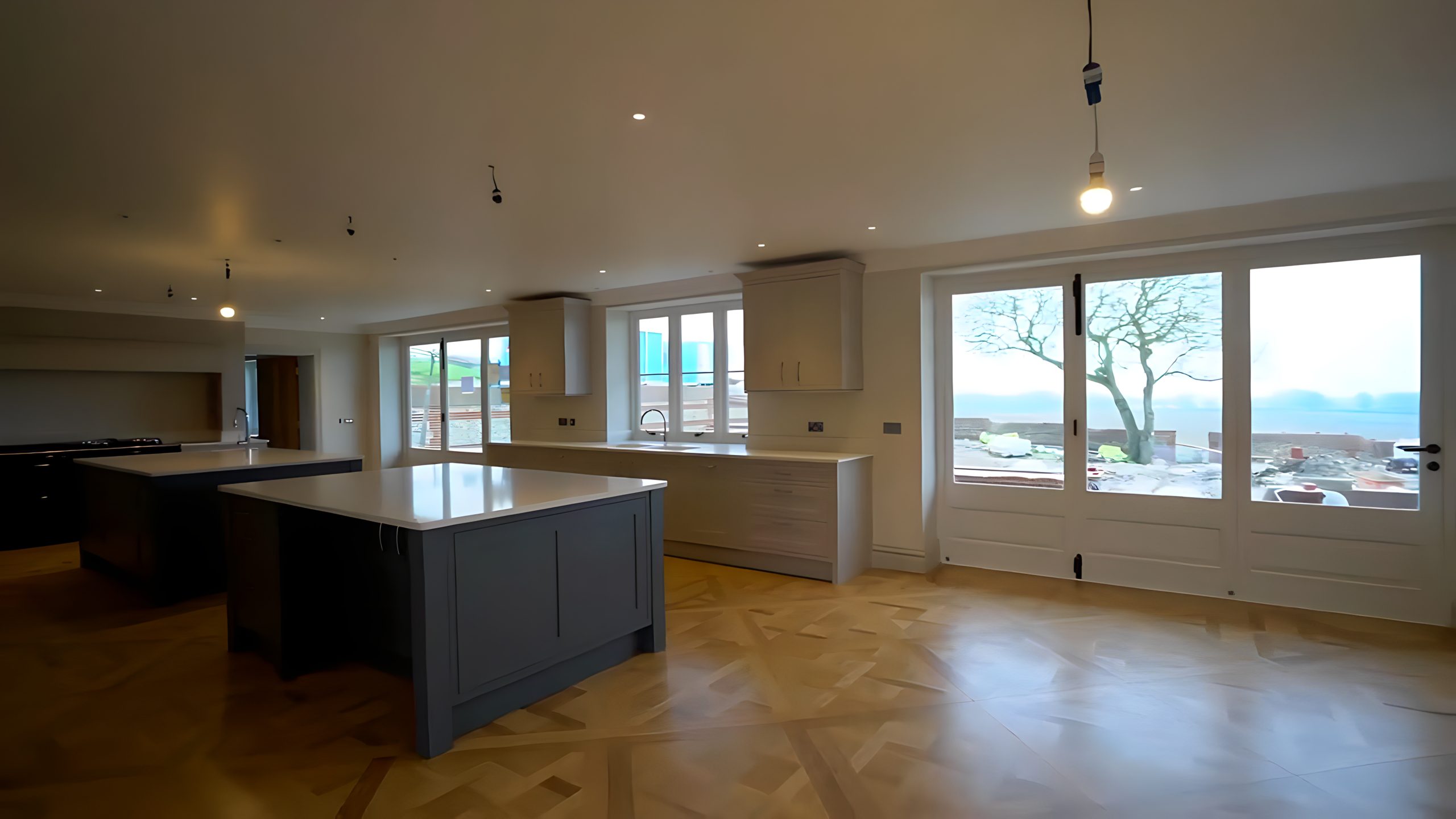
Parquet and herringbone flooring already bring pattern, structure and visual interest. The best styling approach is usually to let the floor breathe.
Choose rugs that do not cover the whole floor. Leave a clear border so the pattern remains visible.
Plain rugs, subtle patterns and natural textures work particularly well. If you want to use a bold rug, keep surrounding furniture simpler so the room does not feel too busy.
Furniture with clean lines can help balance the movement of the floor. Curved chairs, simple sofas and slim-legged tables often work well because they do not compete with the pattern.
Room-by-Room Styling Tips
Living Room
Use a large rug to anchor the seating area. Ideally, the front legs of your sofa and chairs should sit on the rug. Choose a coffee table that contrasts gently with the floor, or use a rug to separate similar wood tones.
Layer soft furnishings such as cushions, throws and curtains to bring warmth into the space.
Dining Room
Place a rug under the dining table if you want to define the space, but make sure it is large enough for the chairs to remain on the rug when pulled out.
If you have a wooden dining table, avoid trying to match it exactly to the floor. A slight contrast usually looks more natural.
Bedroom
Wood flooring in a bedroom can feel calm and refined, but rugs help soften the space. A large rug under the bed works well, or you can use runners either side.
Upholstered beds, fabric headboards and layered bedding work beautifully with wood flooring because they add softness against the harder surface.
Hallway
Hallways need practical styling. Choose a durable runner that can cope with foot traffic and dirt. Make sure it lies flat and does not curl at the edges.
Leave some wood visible on either side so the hallway still feels open and balanced.
Open-Plan Spaces
Use rugs to create zones. One rug can define the living area, another can sit beneath the dining table, and the exposed wood can connect the whole space.
This works especially well with continuous wood flooring, where you want flow but still need each area to feel purposeful.
Common Mistakes to Avoid
Do not choose a rug that is too small for the furniture layout.
Do not cover so much flooring that the wood disappears.
Do not try to match every wooden item exactly.
Do not mix too many strong wood tones without a rug, fabric or painted finish to break them up.
Do not use rubber-backed rugs directly on wood flooring unless they are confirmed as floor-safe.
Do not ignore the undertone of the floor.
Do not place busy rugs over highly patterned wood flooring unless the rest of the room is very simple.
Final Thoughts
Styling wood flooring with rugs and furniture is all about creating balance. Let the floor remain a feature, but use rugs to soften, protect and define the space. Choose furniture that complements the tone of the floor without matching it too closely, and bring in texture through fabrics, natural materials and accessories.
When done well, wood flooring becomes the foundation for the entire room. The rug adds comfort, the furniture adds structure, and the exposed wood ties everything together.
FAQs
What colour rug goes best with wood flooring?
It depends on the tone of the wood. Light wood floors work well with darker, textured or earthy rugs. Dark wood floors often look best with lighter rugs that lift the space. Medium wood floors are more flexible and can work with both light and dark options.
Should a rug be lighter or darker than wood flooring?
Usually, a rug should create some contrast. A lighter rug can soften dark flooring, while a darker rug can anchor light flooring. The contrast does not need to be dramatic, but it should be enough to define the space.
Does wood furniture need to match wood flooring?
No. Wood furniture does not need to match wood flooring exactly. In fact, a slight contrast often looks better. Try to keep undertones consistent and use rugs, fabrics and accessories to tie the room together.
Can rugs damage wood flooring?
Rugs can damage wood flooring if they trap moisture, have unsuitable backing or are placed directly on the floor without a proper rug pad. Choose breathable, floor-safe materials and clean underneath rugs regularly.
What type of rug is best for wood flooring?
Wool, flatweave and low-pile rugs are all good options depending on the room. For busy areas, choose durable, easy-clean rugs with a suitable rug pad. For bedrooms and softer spaces, thicker rugs can add comfort.
How much wood flooring should show around a rug?
As a general guide, leave a visible border of wood around the rug so the floor still frames the space. In living rooms, the rug should anchor the furniture without covering the entire floor. In hallways, leave wood visible on both sides of a runner.
How do you style a wooden table on a wooden floor?
Use contrast rather than trying to match the table and floor exactly. A rug beneath the table can create separation, while chairs, lighting and accessories can help tie the tones together.
Are rugs good for engineered wood flooring?
Yes, rugs can work well with engineered wood flooring when used correctly. Choose breathable rug pads, avoid unsuitable rubber or PVC backing, and lift rugs occasionally to clean underneath and allow the floor to breathe.