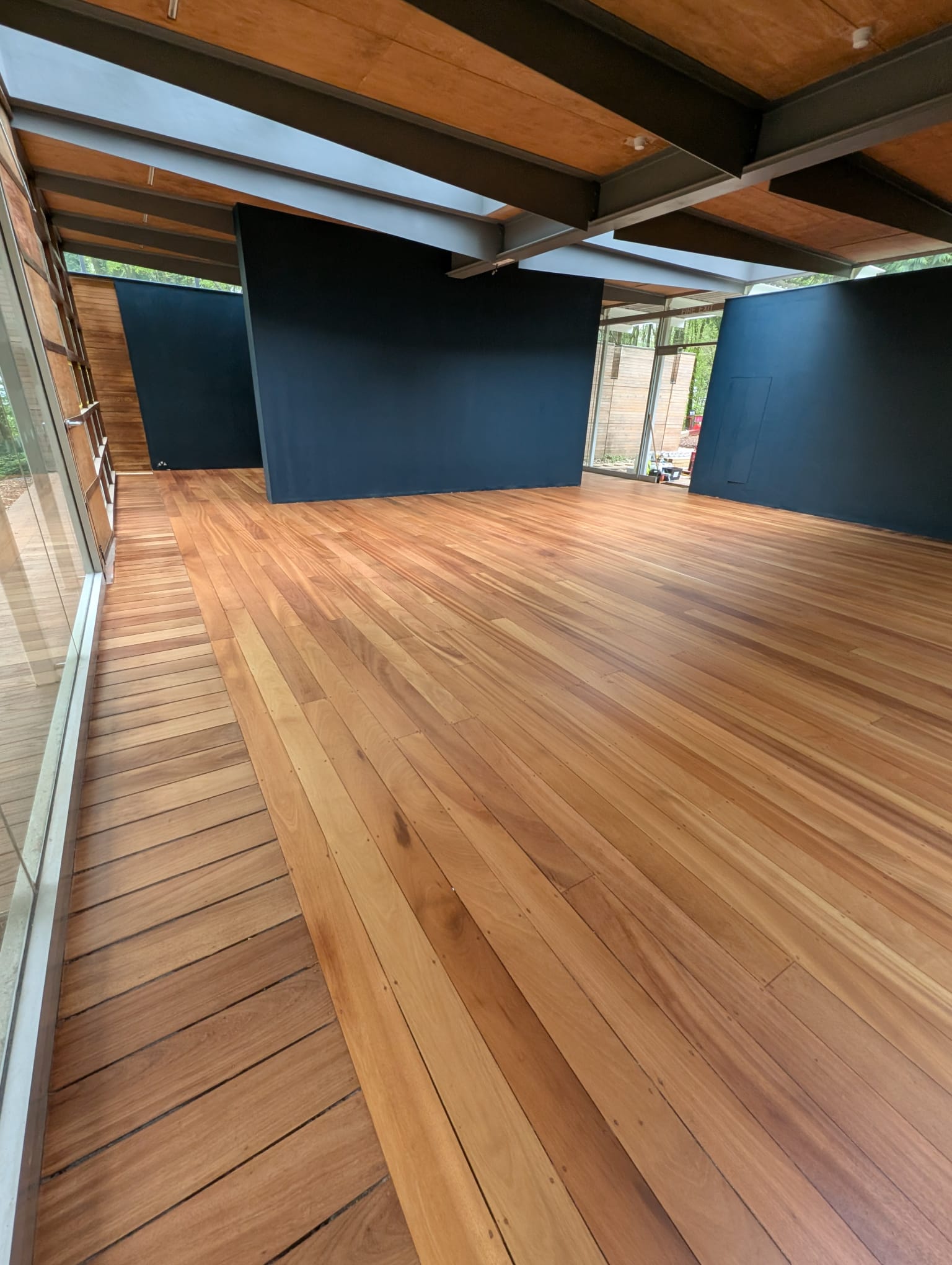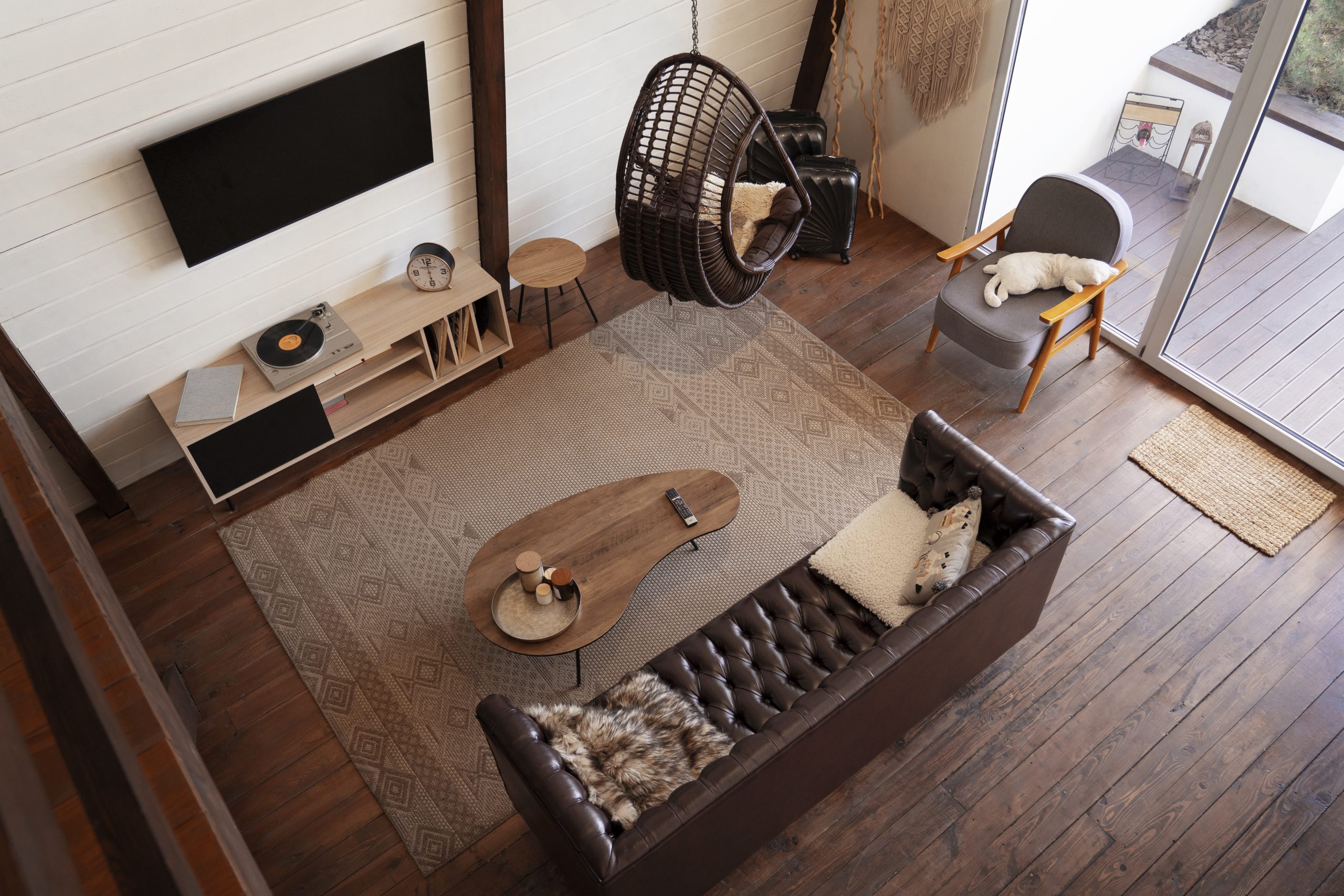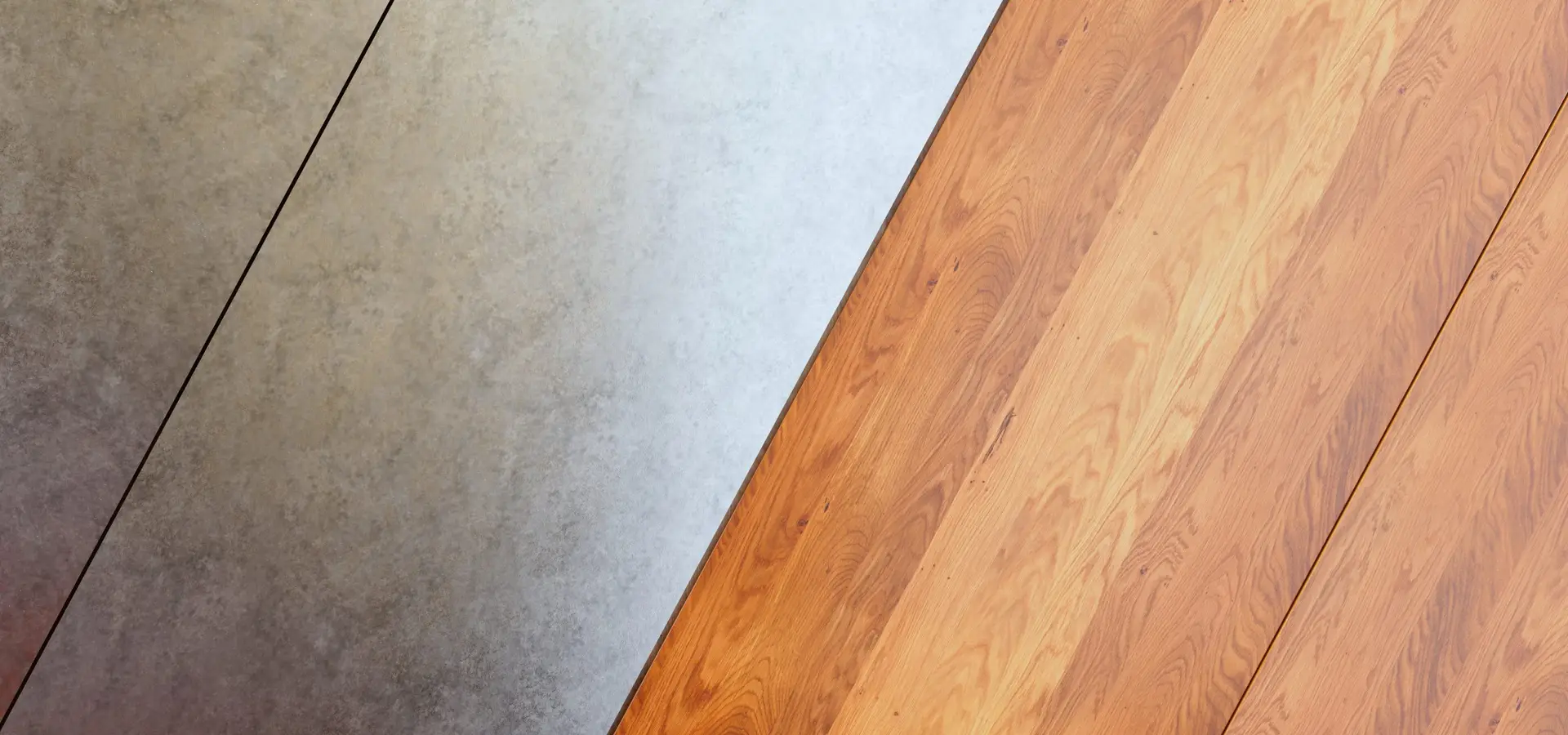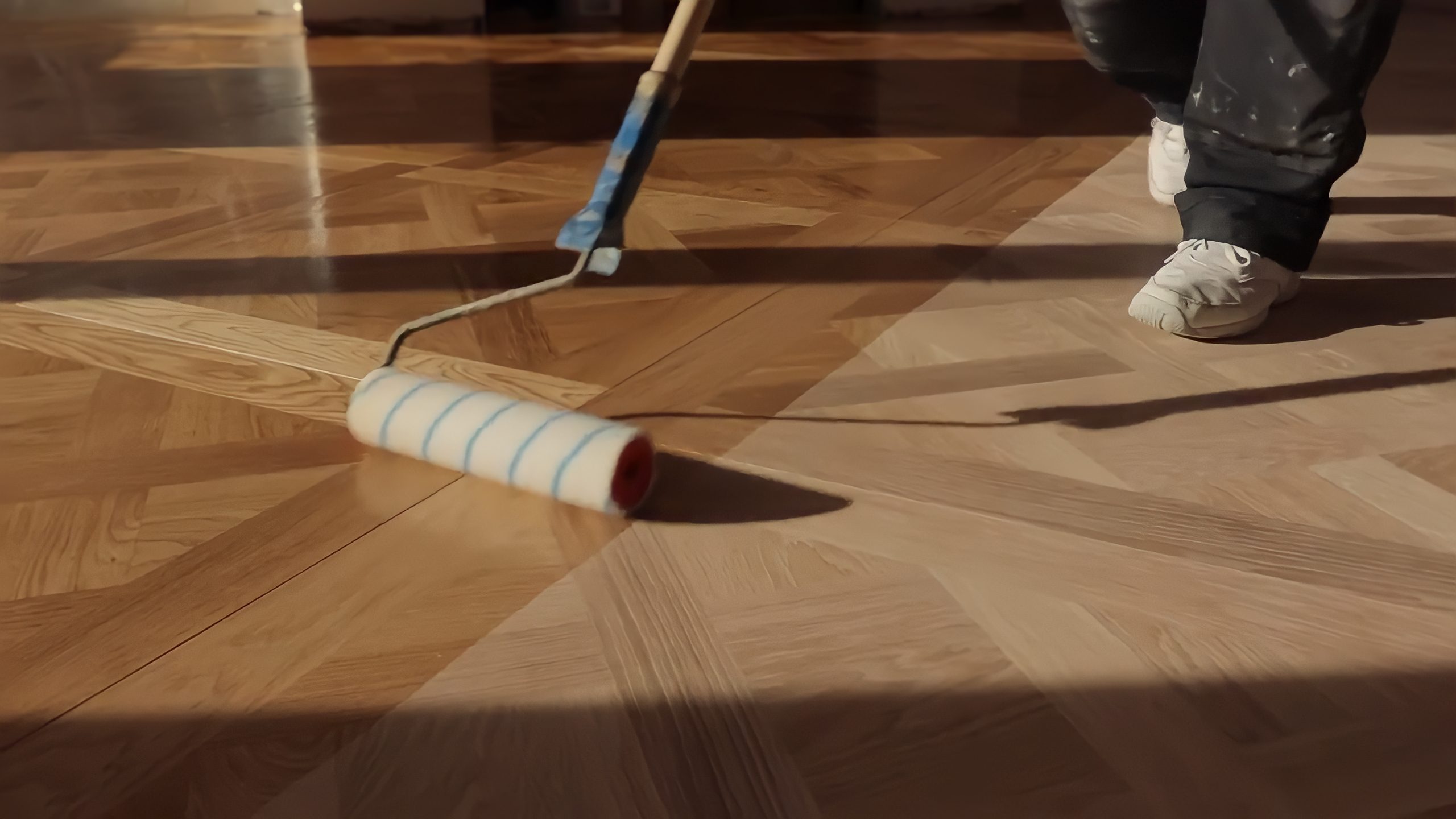
Engineered wood flooring is made from several layers of wood bonded together to create a strong, stable and natural-looking floor. Unlike solid wood flooring, which is made from one piece of timber, engineered wood has a real wood surface on top and a layered construction underneath.
This means you still get the beauty, grain and character of real wood, but with extra stability. That is one of the main reasons engineered wood flooring is such a popular choice for modern homes.
In this guide, we will explain exactly what engineered wood flooring is made of, how each layer works, why the construction matters and how to tell the difference between a good-quality board and a cheaper alternative.
What Is Engineered Wood Flooring?
Engineered wood flooring is a real wood floor made from multiple layers. The top layer is genuine hardwood, while the layers beneath are designed to give the board strength, stability and resistance to movement.
A typical engineered wood flooring board is made up of:
A real hardwood top layer
A plywood, softwood or HDF core
A balancing layer or backing layer
A surface finish, such as oil or lacquer
Each part of the board has a specific job. The top layer gives the floor its appearance. The core helps keep the board stable. The backing layer balances the construction and reduces movement. The finish protects the surface from everyday wear.
Is Engineered Wood Flooring Real Wood?
Yes, engineered wood flooring is real wood. The visible surface is made from genuine hardwood, such as oak, walnut, ash or maple.
This is the main difference between engineered wood and laminate flooring. Laminate has a printed image of wood on the surface, while engineered wood has an actual timber layer. That means engineered wood has natural grain, colour variation and texture, just like solid wood.
The part you see and walk on is real wood. The “engineered” part refers to the way the layers underneath are built for better stability.
The Main Layers of Engineered Wood Flooring
Most engineered wood flooring boards are made from three main sections: the wear layer, the core and the backing layer.
1. The Real Wood Wear Layer
The wear layer, sometimes called the veneer or lamella, is the top layer of the board. This is the part that gives engineered wood flooring its natural look and feel.
It is usually made from hardwood species such as oak, walnut, maple, ash or hickory. Oak is one of the most popular choices because it is durable, attractive and suits both modern and traditional interiors.
The thickness of the wear layer can vary. Some lower-cost engineered floors have a very thin top layer, while premium boards have a thicker layer of real wood.
A thicker wear layer usually means:
The floor can last longer
The board may be sanded and refinished in the future
The floor feels closer to solid wood
The surface can handle more long-term wear
As a general guide, a thin wear layer may be suitable for lighter domestic use, while a thicker wear layer is better for busy homes, long-term projects and higher-end interiors.
2. The Core Layer
The core is the middle section of an engineered wood flooring board. Its job is to give the floor strength and stability.
This layer is usually made from plywood, softwood or high-density fibreboard. In many quality engineered boards, the core is made from layers of plywood arranged in different directions. This cross-layered structure helps reduce expansion and contraction when temperature or humidity changes.
Wood naturally moves as moisture levels change. Solid wood can expand, shrink, cup or warp if conditions fluctuate. Engineered wood is designed to limit that movement by using layers that support and stabilise each other.
The core is one of the biggest differences between a high-quality engineered wood floor and a cheaper one. A strong, well-made core helps the board stay flatter, feel sturdier and perform better over time.
3. The Backing Layer
The backing layer sits on the underside of the board. It helps balance the plank and adds further stability.
Without a backing layer, the top and core of the board could pull unevenly as moisture levels change. The backing layer helps counteract that movement and keeps the board more balanced.
This layer is not visible once the floor is installed, but it still plays an important role in the overall performance of the floor.
4. The Surface Finish
The surface finish is not always described as part of the board’s construction, but it is still important. It protects the real wood top layer and affects how the floor looks, feels and performs.
The two most common finishes are lacquered and oiled.
A lacquered finish sits on top of the wood and creates a protective coating. It is often easier to clean and can be a good choice for busy households.
An oiled finish soaks into the wood and gives a more natural appearance. It can be easier to spot-repair, but it may need more regular maintenance.
Some engineered wood floors are also brushed, smoked, stained, distressed or matt finished to create a particular style.
What Materials Are Used in Engineered Wood Flooring?
Engineered wood flooring can be made from a variety of materials depending on the quality and type of board.
The top layer is usually a hardwood such as oak, walnut, maple, ash, beech or hickory.
The core may be made from plywood, softwood, birch ply, eucalyptus ply or HDF.
The backing layer may be made from wood veneer, plywood or another balancing material.
The layers are bonded together using adhesives designed to hold the structure firmly in place.
Not all engineered wood flooring is made to the same standard. Two boards may look similar from above, but the construction underneath can be very different.
Why Is Engineered Wood Made in Layers?
Engineered wood is made in layers to improve stability.
Natural wood expands and contracts when moisture and temperature levels change. This is completely normal, but it can cause problems in flooring if the movement is too great.
By bonding layers together in different directions, engineered wood flooring becomes more stable than a single piece of solid wood. The layers help restrict movement and reduce the risk of warping, cupping or excessive gaps.
This layered construction also makes engineered wood suitable for more installation methods and more areas of the home than solid wood.
Is Engineered Wood the Same as Laminate?
No, engineered wood and laminate are not the same.
Engineered wood has a real hardwood surface. Laminate has a photographic wood-effect layer covered by a protective coating.
This means engineered wood looks and feels more natural because the surface is actual timber. It can also add more value and, depending on the thickness of the wear layer, may be sanded or refinished.
Laminate can be a practical and affordable option, but it is not real wood. Once the printed surface is damaged or worn, it cannot be sanded like a real wood floor.
Engineered Wood vs Solid Wood: What Is the Difference?
The main difference is the construction.
Solid wood flooring is made from one piece of timber from top to bottom. Engineered wood flooring has a real wood top layer bonded to a stable core.
Solid wood can often be sanded and refinished many times, but it is more sensitive to changes in moisture and temperature. Engineered wood is usually more stable, making it a practical choice for many modern homes.
Engineered wood can often be used with underfloor heating, depending on the product and manufacturer’s guidance. Solid wood is generally less suitable for this because it is more likely to move with temperature changes.
Both options can look beautiful. The best choice depends on your room, budget, installation method and how long you want the floor to last.
How Thick Is Engineered Wood Flooring?
Engineered wood flooring comes in different thicknesses. Common board thicknesses include 10mm, 14mm, 15mm, 18mm and 20mm.
The total thickness is not the only thing to look at. You should also check the thickness of the real wood top layer.
For example, a board may be 14mm thick with a 3mm wear layer, or 20mm thick with a 6mm wear layer. The thicker board may feel more substantial, but the wear layer is what usually affects how much the floor can be sanded in the future.
When comparing products, look at both:
The overall board thickness
The real wood wear layer thickness
This gives you a better idea of the floor’s quality and long-term value.
What Makes Good Quality Engineered Wood Flooring?
Good quality engineered wood flooring is not just about appearance. The construction matters just as much.
Look for:
A real hardwood wear layer
A stable plywood or high-quality core
A suitable backing layer
A durable surface finish
Consistent board thickness
A good joining system
Clear product information
Responsible sourcing where possible
A thicker wear layer is usually a sign of a longer-lasting floor. A strong plywood core is often preferred because it gives the board better strength and stability. The finish should also suit the way the room will be used.
For example, a busy hallway or family kitchen may need a tougher finish than a low-traffic bedroom.
Can Engineered Wood Flooring Be Sanded?
Some engineered wood flooring can be sanded, but it depends on the thickness of the real wood top layer.
A very thin wear layer may not be suitable for sanding. A thicker wear layer can usually be sanded and refinished, although not as many times as solid wood.
This is why the wear layer thickness is so important. If you want a floor that can be refreshed in the future, choose a board with a thicker real wood surface.
Always check the manufacturer’s guidance before sanding engineered wood flooring.
Is Engineered Wood Flooring Waterproof?
No, engineered wood flooring is not waterproof.
It is more stable than solid wood, but it is still made from real wood and wood-based materials. That means it can still be affected by excess moisture, standing water or leaks.
Engineered wood can work well in living rooms, bedrooms, dining rooms, hallways and some kitchens, provided it is properly installed and maintained. It is usually not the best choice for bathrooms, wet rooms or areas where water is regularly left on the floor.
Wipe up spills quickly and avoid cleaning with too much water.
Can Engineered Wood Flooring Be Used with Underfloor Heating?
Many engineered wood floors can be used with underfloor heating, but not all of them. The layered construction makes engineered wood more suitable than solid wood in many cases, but you still need to choose the right product.
Always check the manufacturer’s instructions before installation. The floor must usually be installed with the correct adhesive or underlay, and the heating system must be controlled carefully to avoid sudden temperature changes.
How Is Engineered Wood Flooring Made?
The manufacturing process can vary, but engineered wood flooring is generally made by bonding layers together under pressure.
First, the real wood top layer is prepared from hardwood. This may be cut, dried, machined and graded for appearance.
Next, the core layers are prepared. These may be plywood, softwood or another stable wood-based material.
The layers are then bonded together with adhesive and pressed to form a stable plank. After this, the boards are machined with a fitting profile, such as tongue and groove or click system.
Finally, the surface is finished with oil, lacquer, stain or another protective treatment.
The result is a board that looks like solid wood from above but has a more stable layered structure underneath.
Why Choose Engineered Wood Flooring?
Engineered wood flooring is popular because it offers a strong balance between appearance and practicality.
The main benefits include:
It has a real wood surface
It is more stable than solid wood
It can suit a wide range of interiors
It is available in many colours, widths and finishes
It can often be used with underfloor heating
It can be easier to install than solid wood
It offers a premium look without always needing a solid wood construction
For many homeowners, engineered wood is a practical way to get the look of real wood with added stability.
Common Mistakes When Choosing Engineered Wood Flooring
One common mistake is only looking at the colour. The construction underneath is just as important.
Another mistake is assuming all engineered wood floors can be sanded. This depends on the wear layer thickness.
Some people also confuse engineered wood with laminate. Engineered wood has a real wood top layer, while laminate does not.
It is also important not to assume engineered wood is waterproof. It is more stable than solid wood, but it still needs proper care.
Finally, avoid choosing the cheapest board without checking the core, finish and wear layer. A better-quality board can often provide better long-term value.
Final Thoughts
Engineered wood flooring is made from a real hardwood surface bonded to a stable layered core and backing. This construction gives you the natural appearance of wood with improved stability compared with solid timber.
The most important parts to understand are the wear layer, the core and the finish. These affect how the floor looks, how long it lasts, whether it can be sanded and where it can be installed.
If you want a real wood floor that is beautiful, practical and suitable for modern living, engineered wood flooring can be an excellent choice. Just make sure you look beyond the surface and choose a board with the right construction for your home.
FAQs
What is engineered wood flooring made from?
Engineered wood flooring is made from a real hardwood top layer, a stable core layer and a backing layer. The core is usually made from plywood, softwood or HDF, while the surface is genuine timber.
Is engineered wood flooring real wood?
Yes, engineered wood flooring is real wood. The top layer is made from genuine hardwood, which gives it natural grain, texture and colour variation.
What is the top layer of engineered wood flooring called?
The top layer is often called the wear layer, veneer or lamella. This is the visible real wood surface that you walk on.
What is the core of engineered wood flooring made of?
The core is usually made from plywood, softwood or high-density fibreboard. Higher-quality boards often use a strong plywood core for better stability.
Is engineered wood better than solid wood?
Engineered wood is usually more stable than solid wood and can be better suited to changing temperatures, modern homes and underfloor heating. Solid wood may be better if you want a floor that can be sanded many times over its lifetime.
Is engineered wood the same as laminate?
No. Engineered wood has a real wood top layer. Laminate has a printed wood-effect surface, so it is not the same as real wood flooring.
Can engineered wood flooring be sanded?
Some engineered wood flooring can be sanded, but only if the real wood top layer is thick enough. Always check the wear layer thickness before buying.
Is engineered wood flooring waterproof?
No. Engineered wood flooring is not waterproof. It is more stable than solid wood, but it can still be damaged by standing water, leaks or excessive moisture.
How long does engineered wood flooring last?
The lifespan depends on the quality of the board, the thickness of the wear layer, the finish and how well it is maintained. A good-quality engineered wood floor can last for many years when properly cared for.
What should I look for when buying engineered wood flooring?
Look at the real wood wear layer, core construction, overall thickness, finish, fitting system and whether the product is suitable for your room. Do not judge the floor by colour alone.