If you’ve been shopping for hardwood flooring, you’ve probably come across the terms parquet, plank, and board flooring and wondered whether they’re all referring to the same thing. They’re not. Each describes a distinct style, and the difference between parquet, plank, and board flooring goes well beyond just the size of each piece. Understanding what sets them apart will help you make a decision you’ll be happy with for decades.
Here’s a plain-language guide to each one.
What Is Parquet Flooring?
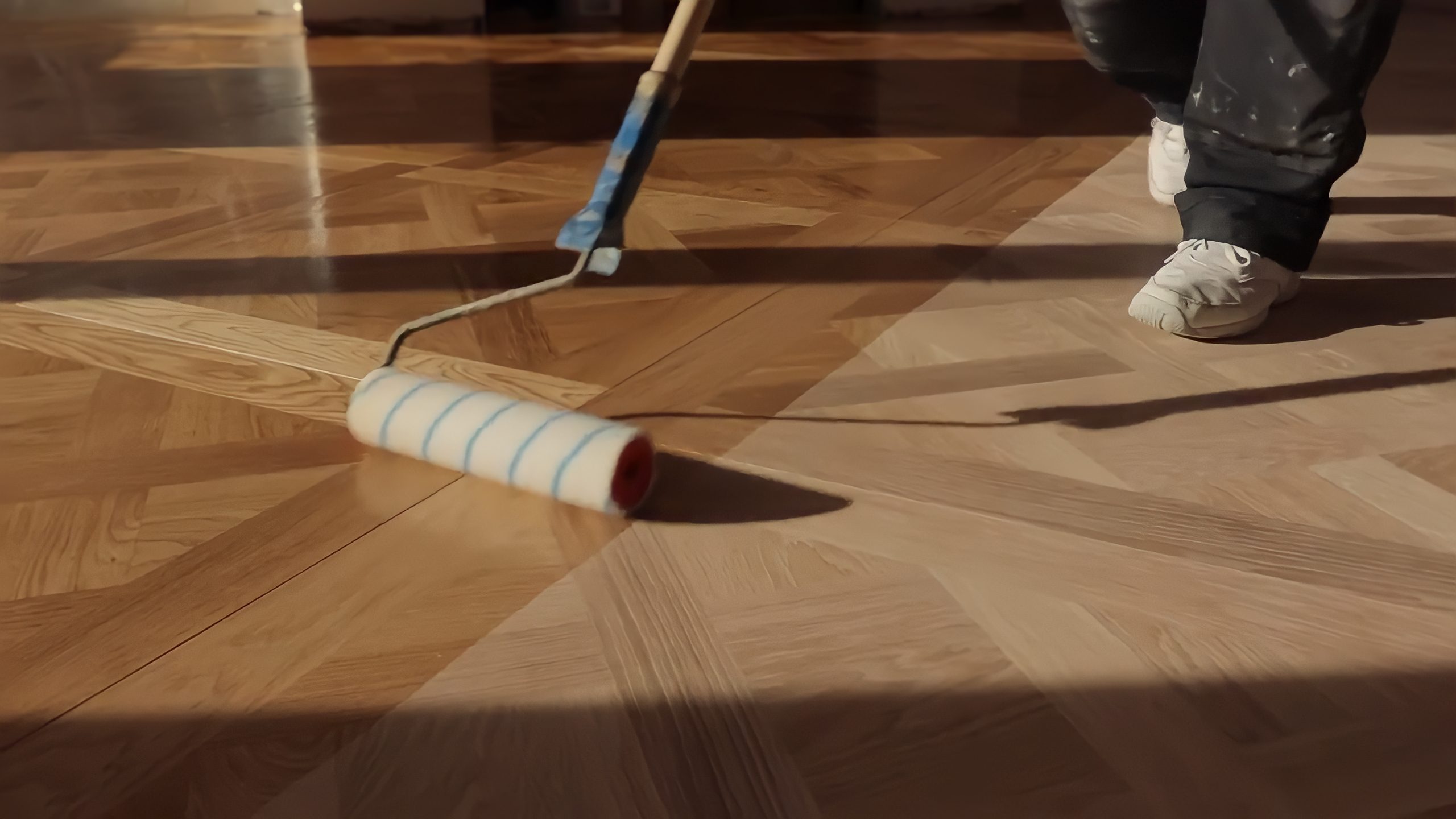
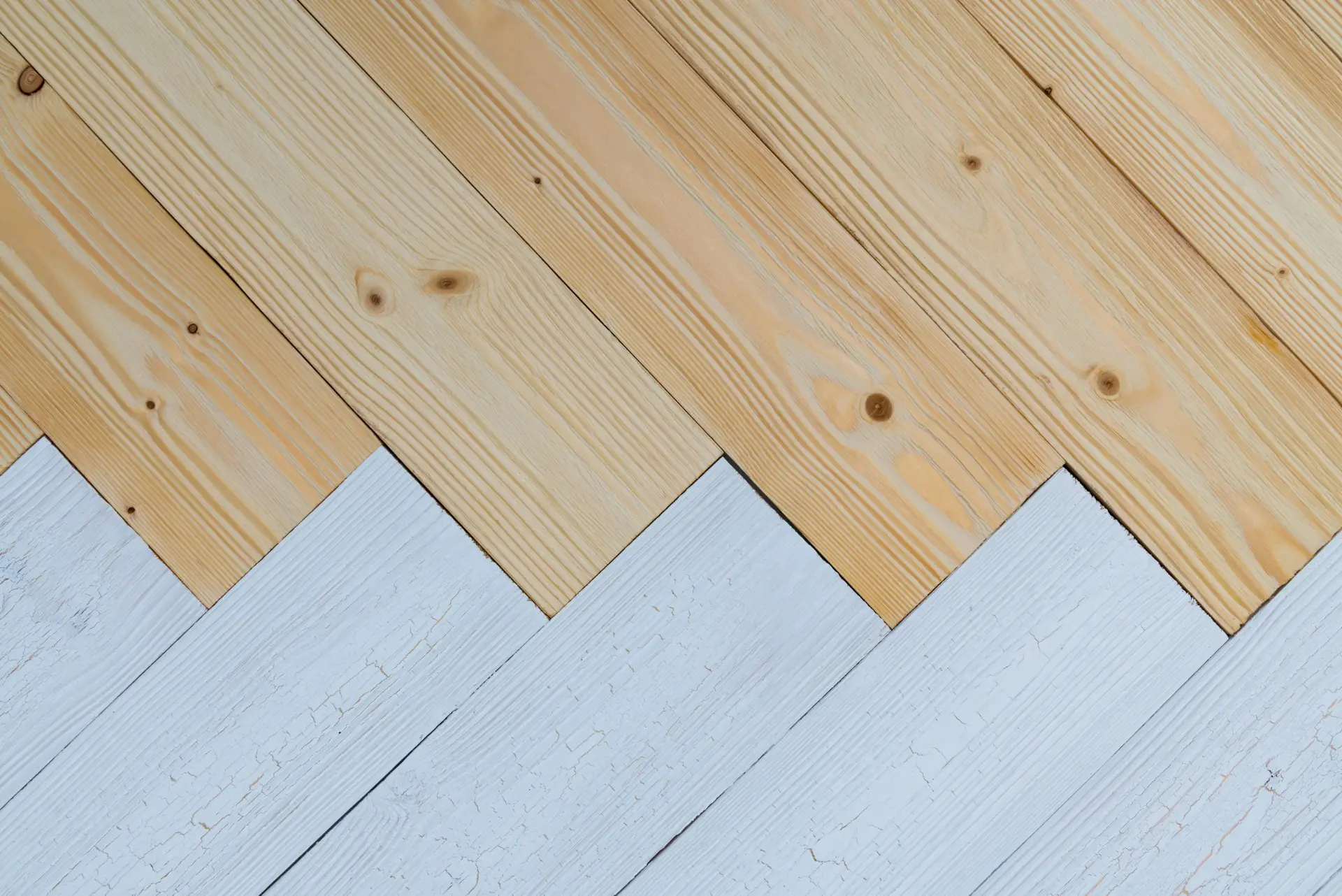
Parquet flooring is made from small, individual blocks or battens of wood that are arranged into geometric patterns. The word parquet comes from the Old French for “small compartment,” which captures the idea perfectly: each piece is a unit in a larger decorative composition. Common parquet patterns include herringbone, chevron, basket weave, and brick bond, among others.
The history behind this style is long. Herringbone parquet first appeared as a flooring design in the 16th century, and one of the earliest surviving examples can be found at the Chateau de Fontainebleau, installed in 1539. The style flourished in France throughout the 17th century and became synonymous with wealth and refinement. In the UK, it really took hold during the Edwardian era and reached widespread popularity in the 1930s, when it appeared in grander homes and public buildings across England.
Today, parquet is experiencing a strong revival. Herringbone in particular has become one of the most requested flooring styles for both period properties and modern interiors. The pattern adds movement and structure to a room that a straight-laid floor simply can’t match.
Key characteristics of parquet flooring
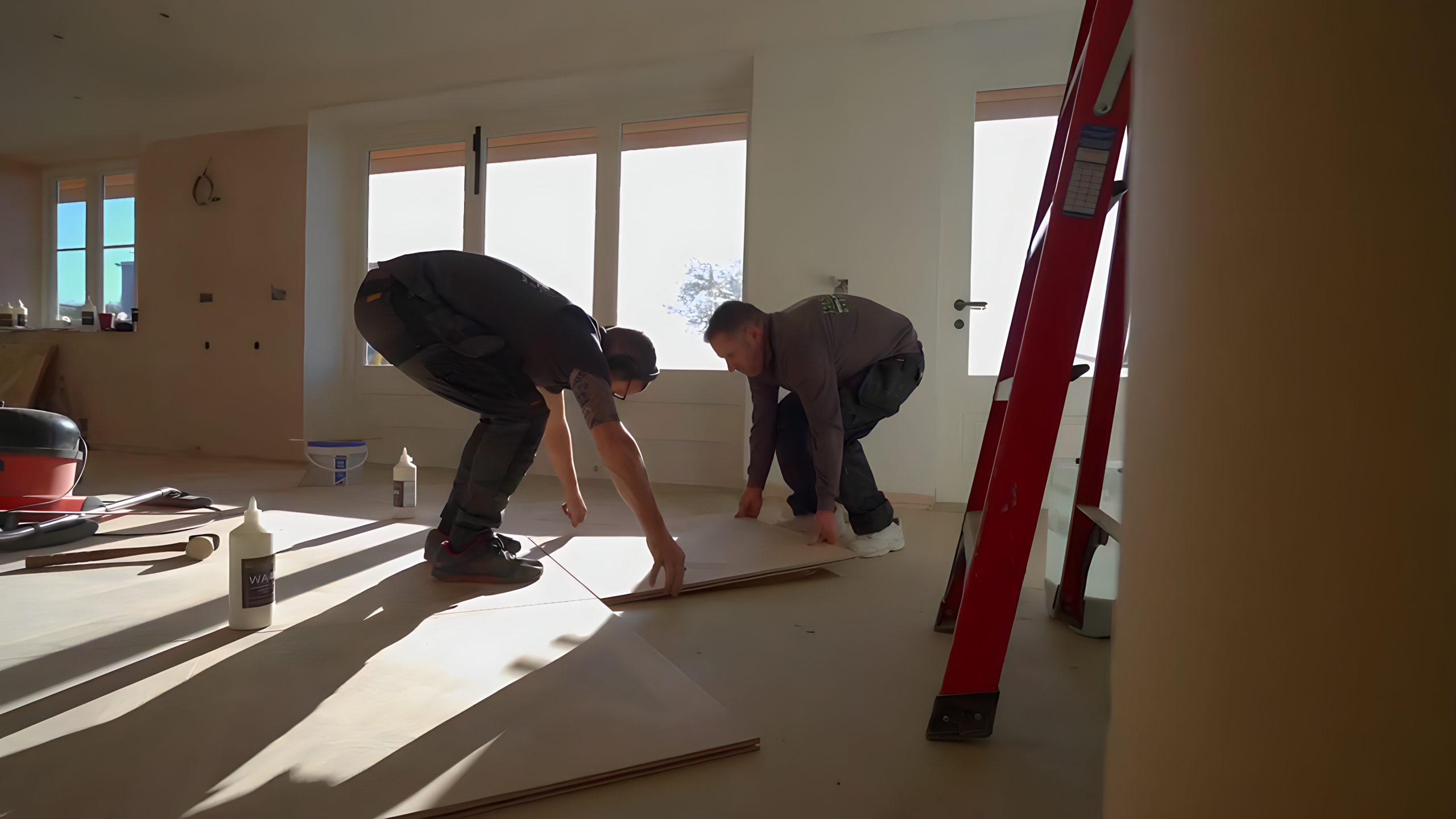
Parquet blocks are small and uniform in size, typically between 50mm and 100mm wide. They must always be glue-fixed to a structural subfloor, whether concrete or timber. Because of the complexity involved in laying each piece at the correct angle and keeping patterns consistent, professional installation is strongly recommended. Parquet works in both solid and engineered wood, and it’s available in a wide range of species including oak, walnut, ash, and maple.
One practical point worth noting: because the blocks interlock tightly and are fixed to the subfloor, parquet tends to create a very stable finished floor. It’s also a good option for rooms where you want the floor to be the focal point rather than a backdrop.
What Is Plank Flooring?
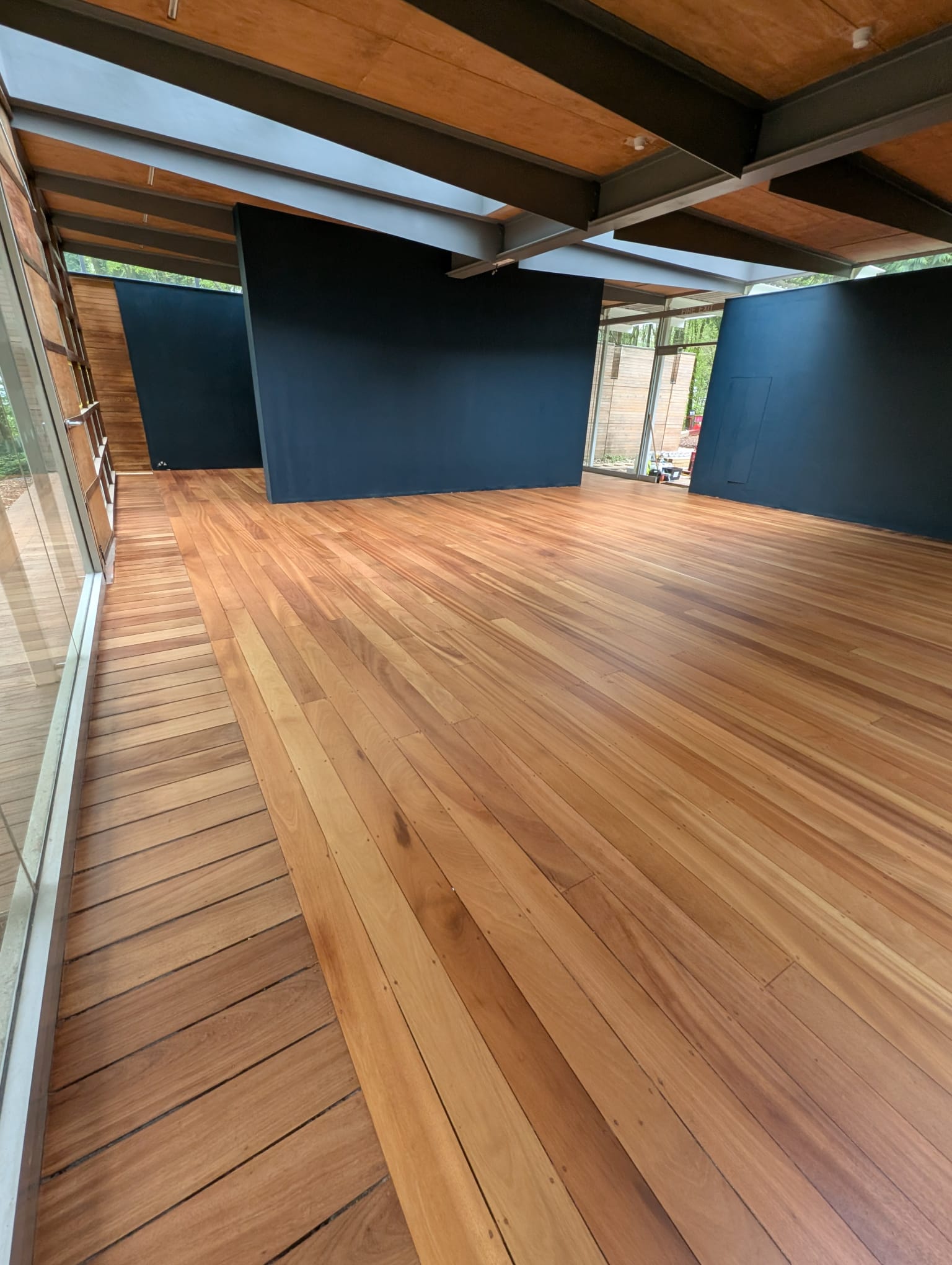
Plank flooring is what most people picture when they think of hardwood floors: long, rectangular boards laid in rows. It’s the most common and versatile format, suitable for almost any room, style, or budget.
The key variable with plank flooring is width. Narrower planks, typically in the 60mm to 120mm range, create a more traditional, detailed look with more visible board lines. Wider planks, from around 120mm up to 220mm or more, give a cleaner, more open feel with fewer seams across the floor. Wide planks are generally considered a premium option, partly because they require larger, older trees to produce and partly because they make a bold visual statement.
Plank floors can be solid hardwood or engineered wood. Solid plank floors are typically nail-fixed or glue-fixed, while engineered plank floors can also be floated over underlay, which gives more flexibility. Engineered planks are also better suited to underfloor heating and to rooms where humidity levels fluctuate, because the layered construction is more dimensionally stable than solid wood.
Wide plank vs. narrow plank: does it matter?
Yes, and more than people realise. Narrow planks create a busier, more intricate pattern on the floor surface and tend to suit traditional or country-style interiors well. They’re also more stable in rooms that experience seasonal humidity changes, because narrower boards expand and contract less.
Wide planks show off the natural grain of the wood more dramatically, with larger uninterrupted expanses of timber. They suit contemporary, minimal interiors particularly well. The trade-off is that they can be more sensitive to changes in temperature and moisture, so engineered wide-plank boards are often the smarter choice in the UK climate.
What Is Board Flooring, and Is It Different from Plank Flooring?
In most everyday usage, board flooring and plank flooring mean the same thing. Both refer to lengths of timber laid in a parallel pattern. In the UK, the term “board” is often used when referring to wider, traditional-style floors, and “plank” tends to be more commonly associated with narrower modern-style strips, but there’s no strict industry definition that separates the two.
Where you might hear board flooring used more specifically is in the context of original reclaimed floorboards or wide-plank country-style floors. Historically, boards varied in width because they were simply cut from whatever trees were available, which meant a natural mix of sizes in older properties. Today you can replicate that effect by combining two or three different widths of the same product.
If you see “board flooring” on a product page, check the width: it’s a good sign the planks will be on the wider side, and the overall aesthetic will tend toward a more rustic or traditional feel.
Parquet, Plank, or Board: Which Is Right for Your Home?
The honest answer is that it depends on your room, your interior style, and how much of a feature you want the floor to make.
Choose parquet if…
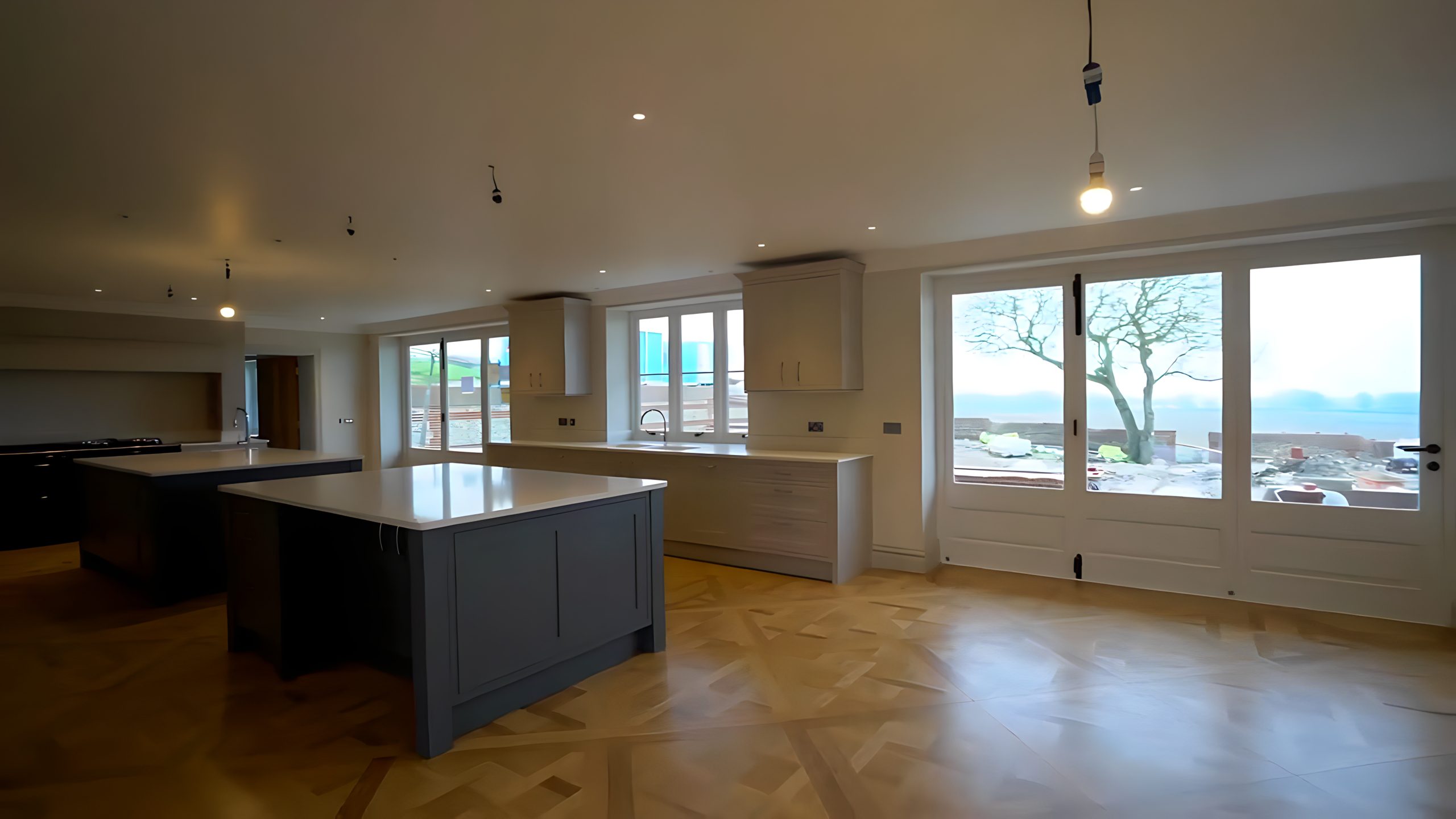
You want a floor that draws the eye and adds real character. Parquet works particularly well in hallways, where there’s a clear sightline into the pattern, and in larger open-plan rooms where the geometric design has space to breathe. It also suits period properties beautifully. A well-laid herringbone floor in a Victorian or Edwardian home is a genuinely timeless choice. High-quality parquet can last 50 to 100 years or more with proper care, making it one of the most enduring investments you can make in a home.
Choose plank or board flooring if…
You want a versatile, clean-looking floor that works across multiple rooms. Plank flooring is easier to install, works on stairs, and adapts to a wider range of interior styles, from modern Scandi to warm country-house. Narrower boards suit smaller rooms and traditional decors; wider boards suit open-plan spaces and contemporary settings. If you’re covering a large area, plank or board flooring is also typically more cost-effective than parquet.
For a home in the Surrey, Sussex, or Hampshire area, where you’re likely dealing with a mix of room sizes and architectural styles, it’s worth thinking about each floor individually rather than applying the same format throughout. A herringbone hallway with wide-plank boards in the kitchen beyond can be a very satisfying combination, and combining the two styles is entirely achievable when the timber species and finish are matched.
Hardwood Flooring Species to Consider
Whichever format you choose, the species of wood makes an enormous difference to the finished result. Oak is the most popular choice for parquet and plank floors alike, and with good reason: it’s durable, takes a wide range of finishes well, and ages beautifully. You can browse Just Wood’s full range of oak flooring and walnut flooring, as well as options in ash, maple, and more distinctive species such as Jarrah. Each species has its own grain character, hardness rating, and natural colour range, all of which influence how the floor will look in both parquet and plank formats.
Get the Right Advice Before You Decide
Parquet, plank, and board flooring each have real strengths, and the best choice comes down to your specific space. If you’re unsure which format will work best for your home, the team at Just Wood has been helping homeowners across Surrey, Sussex, and Hampshire make exactly that decision since 1993. Get in touch on 01243 827888 or visit the Just Wood website to explore the full range and request advice.
FAQs
Is parquet flooring the same as herringbone flooring?
Herringbone is a type of parquet, not a separate category. Parquet refers to any floor made from small wooden blocks arranged in a geometric pattern, and herringbone is simply the most popular of those patterns. Other parquet patterns include chevron, basket weave, and brick bond.
Which is cheaper: parquet or plank flooring?
Plank flooring is generally less expensive, both in terms of materials and installation costs. Parquet requires more precise cutting and fitting, and professional installation is almost always necessary to achieve a consistent result. That said, both formats are available across a wide price range depending on wood species, grade, and finish.
Can parquet flooring be used with underfloor heating?
Yes, but engineered parquet is a much better choice than solid wood parquet for use with underfloor heating. Engineered boards are dimensionally more stable, meaning they expand and contract less with changes in temperature and humidity. Always check the manufacturer’s specifications before installing over underfloor heating.
What is the difference between a plank and a board in flooring?
In most contexts, plank and board mean the same thing: a length of timber laid in a parallel pattern. In casual usage, “board” sometimes implies a wider piece with a more traditional character, but there’s no strict industry definition separating the two. If in doubt, look at the width and finish to understand what the product will look like in practice.
How long does parquet flooring last compared to plank flooring?
Both can last many decades with proper care. High-quality solid parquet has been known to last well over a century, and many original 1930s parquet floors are still in excellent condition today after being restored. Solid plank floors can be sanded and refinished multiple times over their lifetime, offering comparable longevity. The key factor for either format is maintenance and avoiding excessive moisture.