Traditional wood flooring and modern wood flooring solve different problems. A traditional floor was solid timber, hand cut and laid by a carpenter working with whatever width of board the local trees allowed. A modern wood floor is far more likely to be engineered, factory finished before it ever reaches your home, and built to stay flat and stable through everything the British climate throws at it. Understanding what has actually changed between traditional and modern wood flooring helps explain why both still have a place in homes across Surrey, Sussex and Hampshire, from Georgian terraces to new builds.
What Traditional Wood Flooring Actually Means
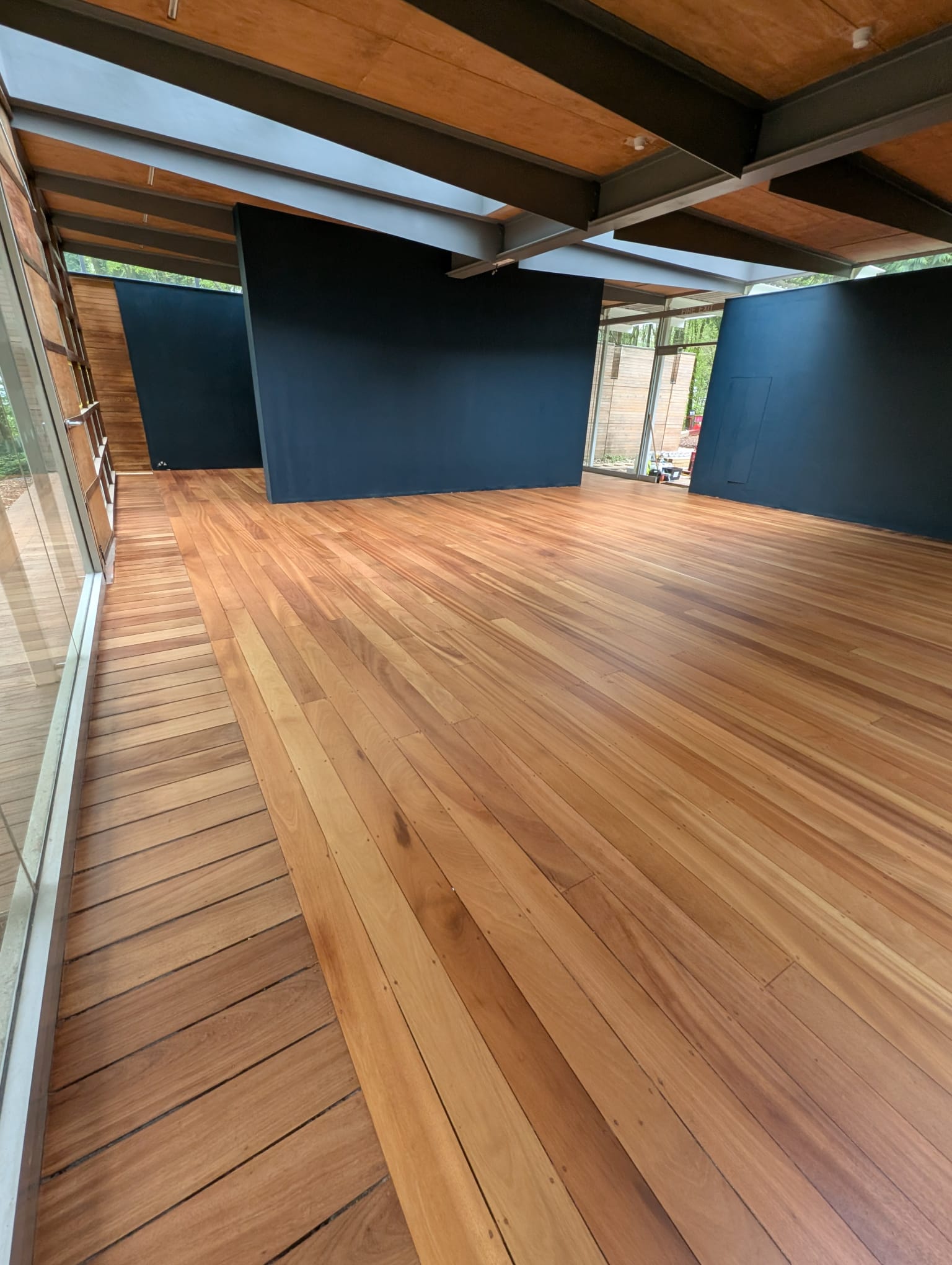
Walk into a house built before the First World War and the floorboards underfoot say a lot about when and how they were laid. During the Tudor and Jacobean period, English woodland was plentiful enough that carpenters could pick from wide, mature oak boards, which is why floors from that era often run far wider than anything you’d find in a Victorian terrace, as flooring specialist Coppice & Crown points out.
By the time Georgian and Victorian builders were putting up the terraces that still line much of Sussex and Surrey, timber was scarcer and boards had narrowed considerably. Most of these floors were built as a suspended timber structure, with boards nailed to joists over a ventilated void, which Historic England still classes as the most common floor type in buildings dating up to the 1950s.
None of these boards were factory finished. They were typically left bare or given a coat of oil or wax, then left to darken and wear in over decades of foot traffic, which is a large part of why original period floors have such a distinctive, uneven character today.
What Changed With Modern Wood Flooring
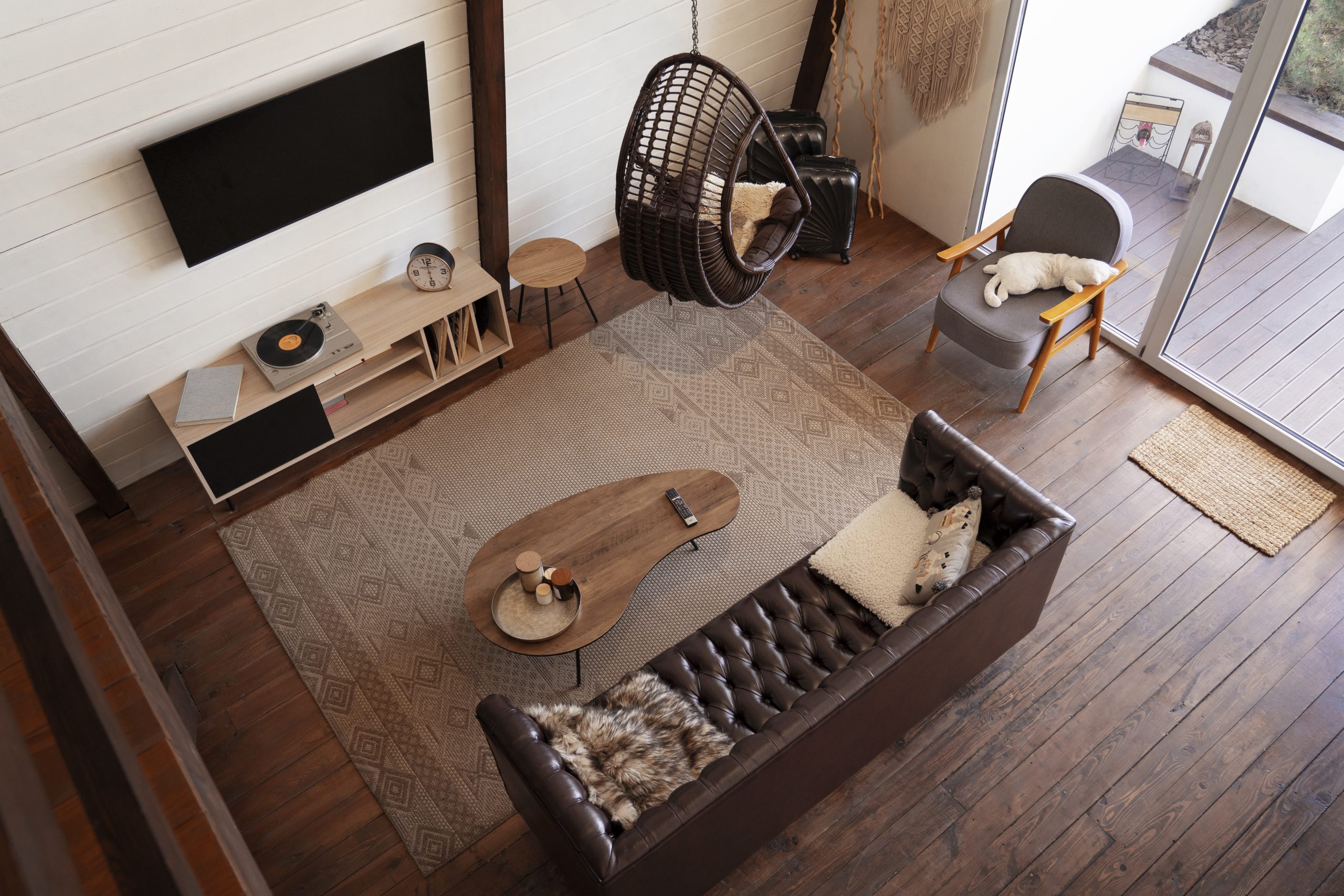
The biggest shift came with engineered wood. Invented in the 1960s according to flooring retailer 50Floor, engineered flooring pairs a real wood top layer with composite layers bonded underneath, rather than relying on a single piece of timber for the whole board.
That layered construction resists the expansion and contraction that causes solid boards to gap or cup as humidity changes through the year, which in turn means manufacturers can produce much wider planks without the stability problems a wide solid board would have. Factory pre-finishing followed soon after, so a modern floor typically arrives with its lacquer, oil or wax already cured to a consistent standard, rather than being finished by hand on site.
Installation: Hand Nailed vs Fitted for the Job
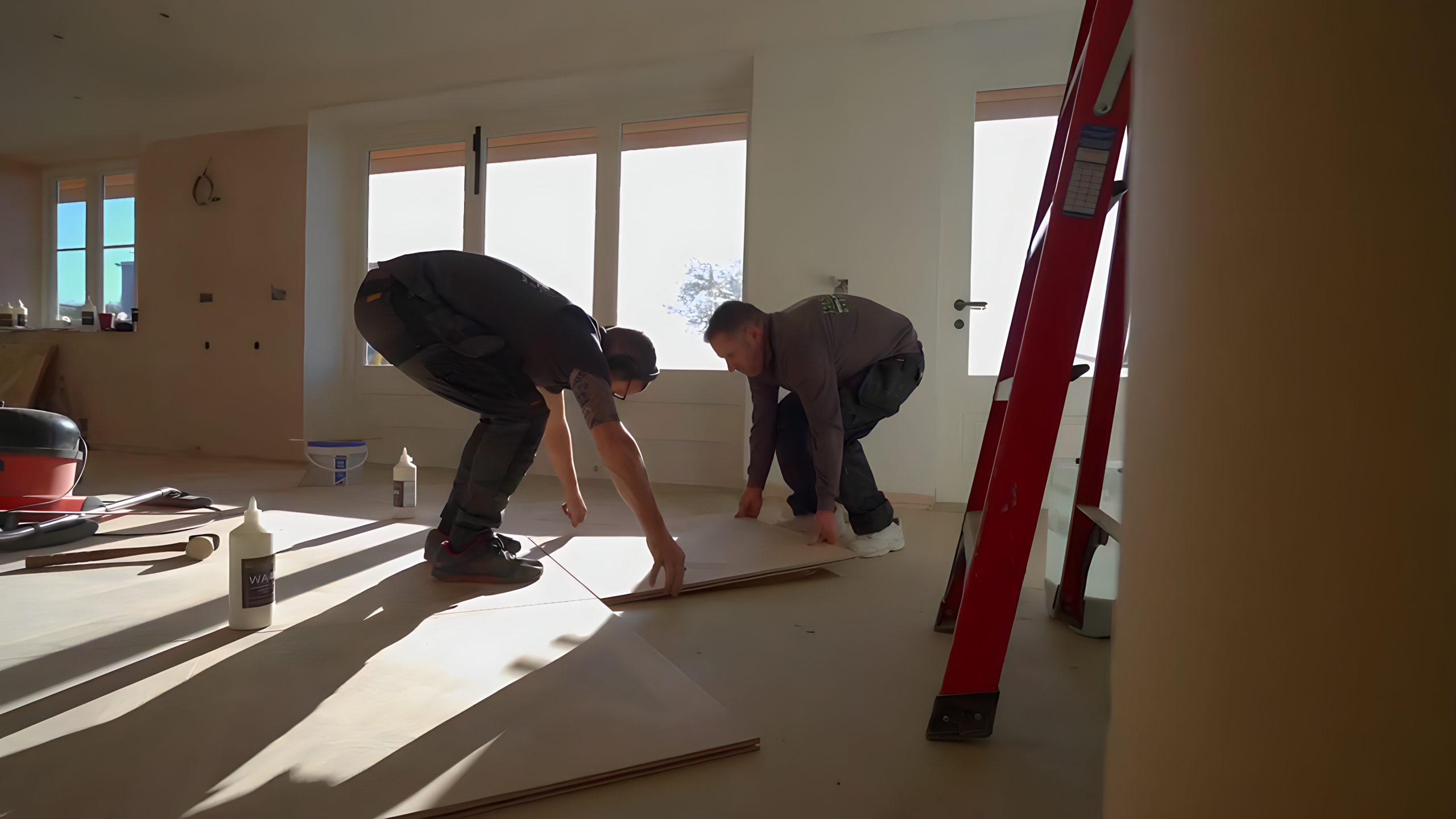
Traditional boards were nailed directly to joists, board by board, with no real allowance for what sat beneath them. Modern wood flooring is designed around how and where it will actually be used. Engineered boards can be floated, glued down or fitted with click lock systems depending on the subfloor, and many ranges are built specifically to work with underfloor heating, something a traditional solid floor was never designed to sit above. If you are planning a new floor installation, it is worth deciding early on which of these factors matters most for the room.
Finishes Then and Now
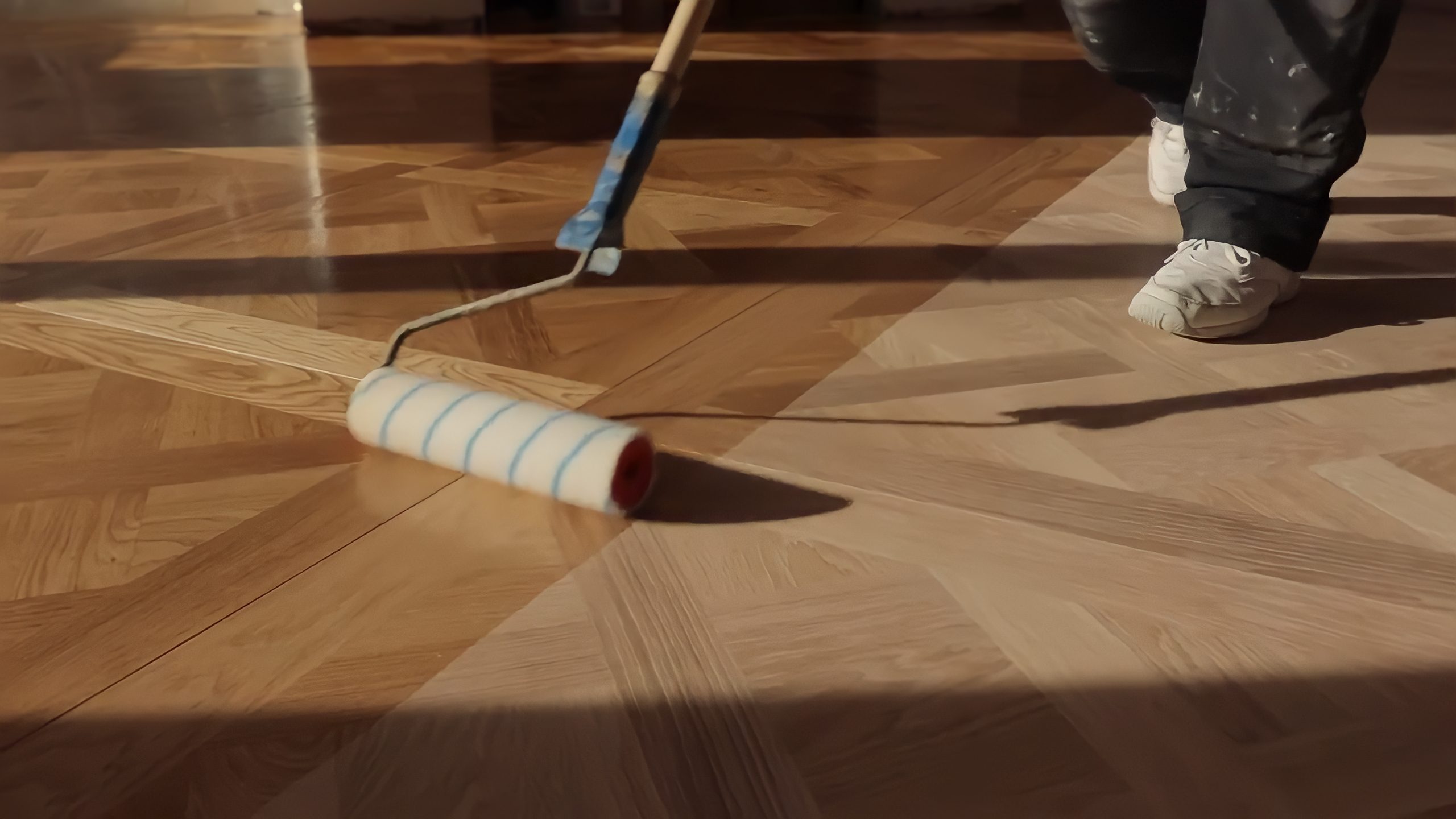
A traditional oil or wax finish needed years of gentle wear to build up its character, and offered very little protection while it did. Modern finishes take a different approach entirely. UV cured lacquers and hardwax oils are cured in the factory under controlled conditions, so a new floor is fully protected from day one rather than needing to earn its finish over time. For an existing floor that has lost its shine, floor staining can bring back richness and colour without replacing a single board.
Sustainability Is a Genuinely New Consideration
This is one area where there is no real traditional equivalent. Certification schemes such as FSC and PEFC did not exist when older floors were laid, but they matter a great deal for anything specified today. Both schemes have been assessed as meeting the UK government’s timber procurement criteria for legal and sustainable sourcing, so checking for one of these certifications is now a straightforward way to know that new flooring has come from a responsibly managed forest.
Choosing Between Traditional and Modern for Your Home
If you own a period property, the choice is not always yours to make freely. As Chaunceys Timber Flooring explains, replacing original flooring that contributes to a building’s historic character can require Listed Building Consent, and it is worth speaking to your local conservation officer before any original boards come up. According to Coppice & Crown, most buildings that survive from before 1850 in something close to their original condition fall into this category, and there are roughly 500,000 listed buildings across the UK, plenty of them in the villages and market towns around Sussex, Surrey and Hampshire.
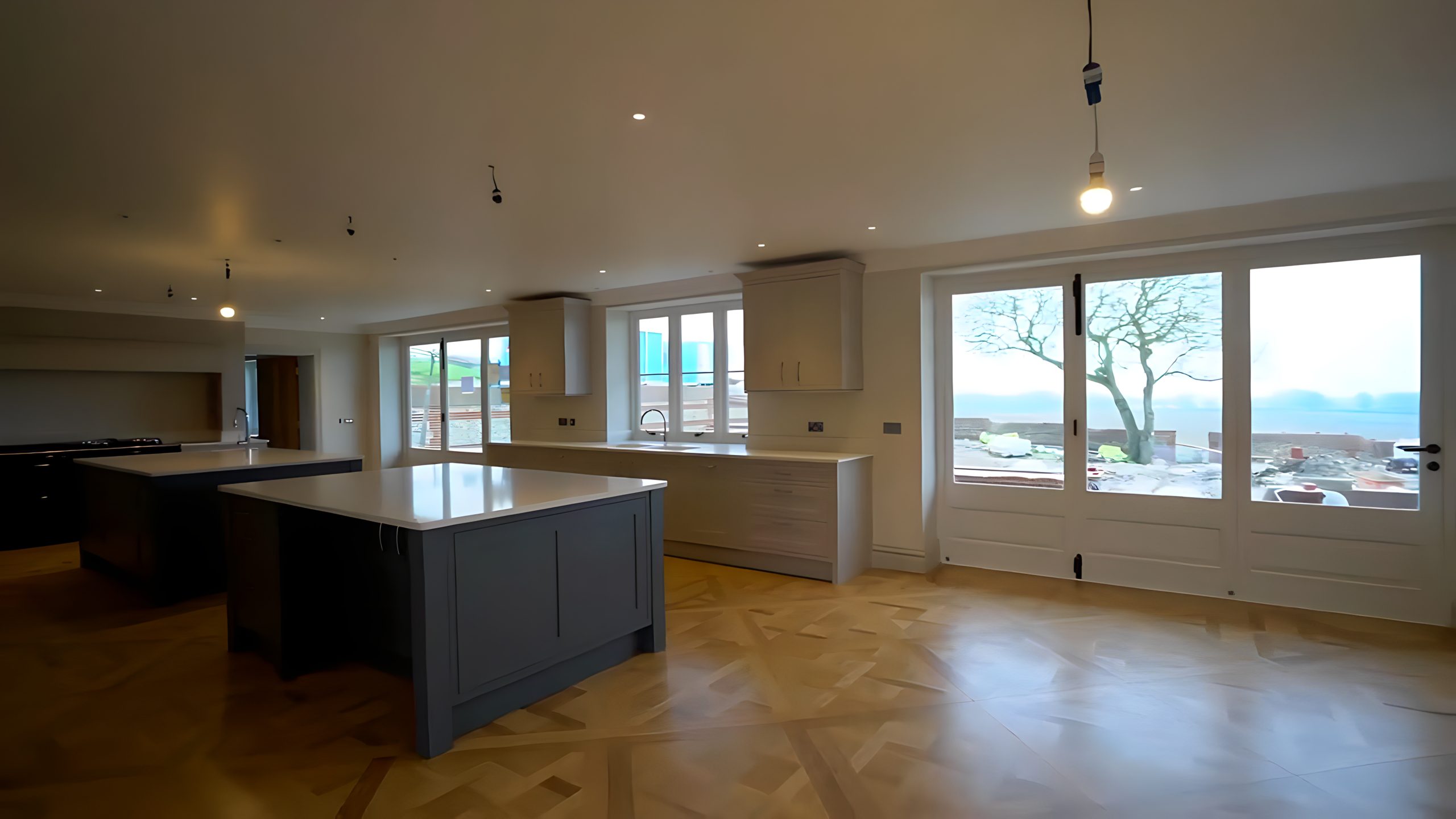
Where replacement is possible, modern engineered boards with aged, hand scraped or distressed textures can now sit very close to the traditional look while solving the stability problems that come with an older home’s uneven subfloor. For a newer or already modernised property, the decision comes down more to how the floor will be used day to day. Our guides on engineered vs solid wood flooring and choosing between oak, walnut and ash go into more detail on both. If your existing floor just needs bringing back to life rather than replacing, our restoration services are usually the better starting point, and for homes that suit the intricate patterns of a traditional style, our parquet wood flooring service brings that look to a modern, stable build.
Whichever direction you are leaning, it is worth getting a professional opinion before committing, especially if your home has any listed status or original flooring worth preserving. Get in touch with our team for guidance specific to your property.
FAQs
Is engineered wood flooring as durable as solid wood?
A good quality engineered floor can be just as durable as solid wood day to day, and often more stable, since its layered construction resists gapping and cupping. The main difference is how many times it can be sanded and refinished over its life, which depends on the thickness of the real wood top layer.
Can I fit modern engineered wood flooring in a listed building?
Sometimes, but it depends on the building and what is being replaced. If the flooring you want to remove is original and contributes to the property’s historic character, you will usually need Listed Building Consent first, so it is worth checking with your local conservation officer before any work starts.
Do traditional solid wood floors need more maintenance than modern floors?
Generally yes. Older solid floors were often finished with oil or wax that needs periodic reapplication, while many modern factory finishes are more wear resistant from the outset. Both types will still need occasional cleaning and refinishing over the decades.
Is parquet flooring traditional or modern?
Both. Parquet patterns like herringbone and chevron date back centuries and were originally cut and laid by hand, but the same patterns are now produced in engineered wood, giving a traditional look with modern stability and easier installation.
What is the difference between reclaimed and traditional wood flooring?
Traditional wood flooring refers to the solid, hand finished style typical of older properties, while reclaimed flooring is timber that has been salvaged, often from that same era, and remilled for reuse. Reclaimed boards can bring genuine period character to a home that never had them originally.