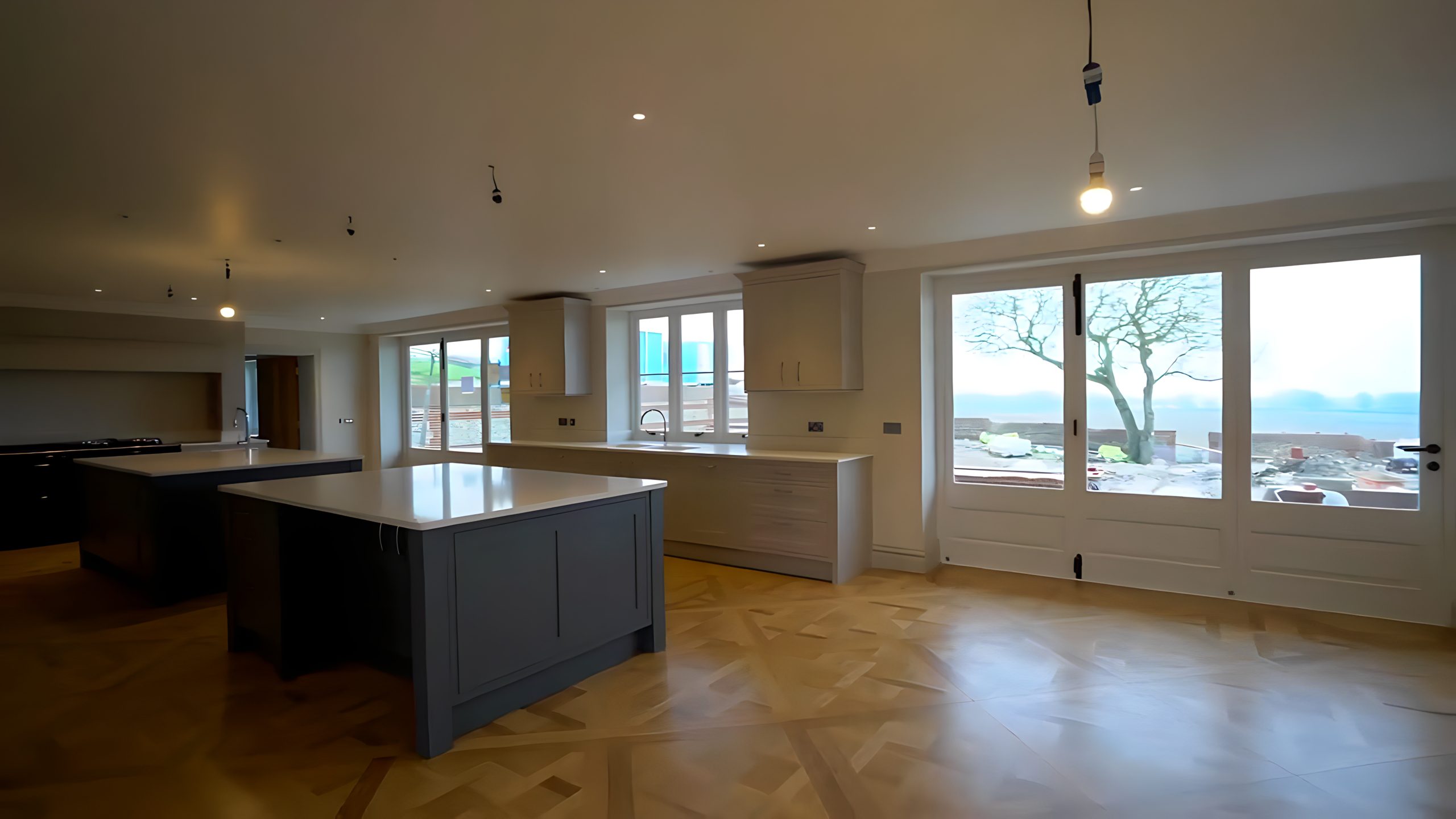
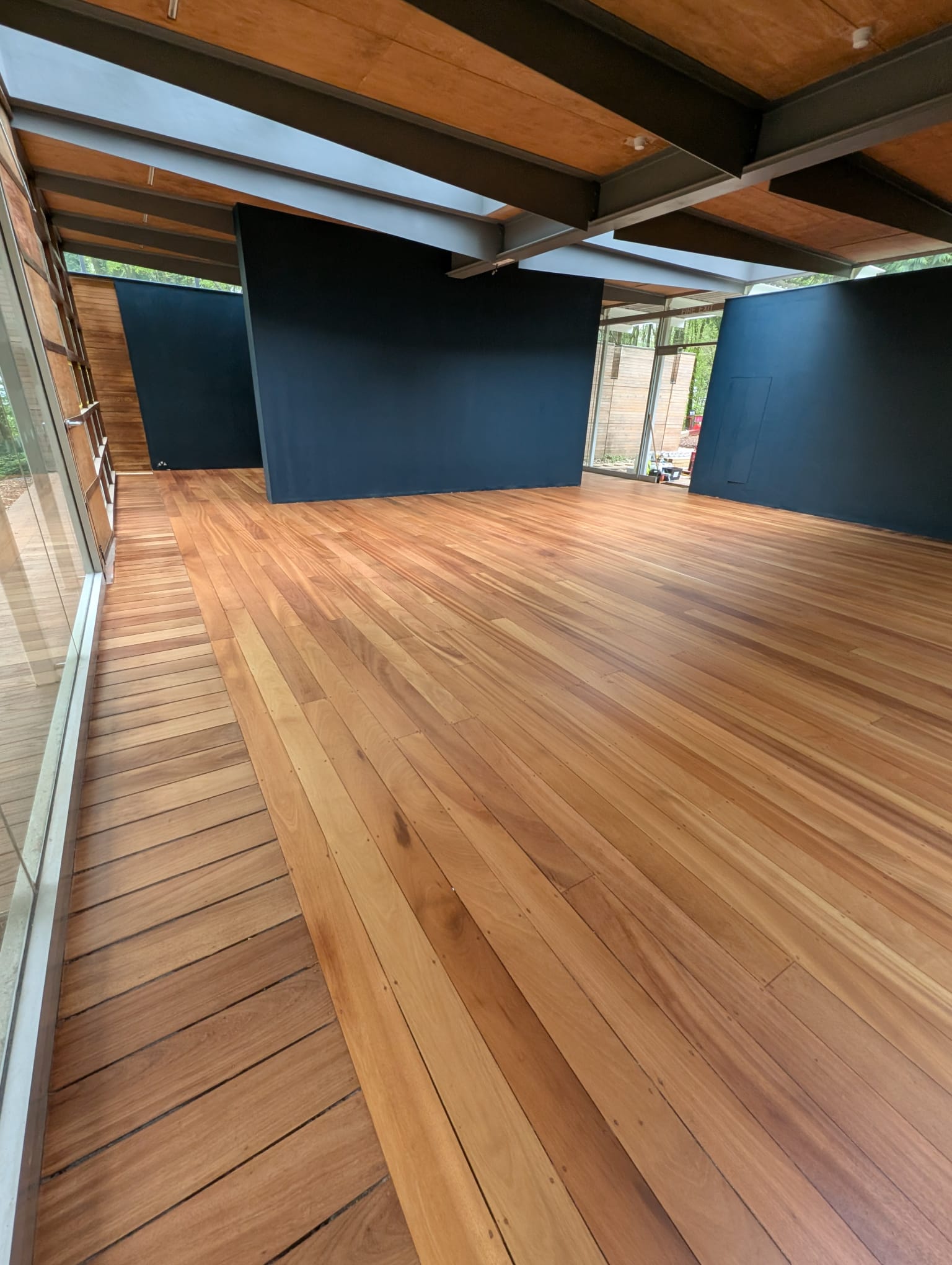
Walk into a beautifully finished period home, or a new build that’s been fitted out properly, and the floor is usually one of the first things you notice. Wood flooring is still considered a premium choice because nothing else quite matches its combination of durability, natural character and the sense that real craft went into laying it. Laminate, vinyl and other alternatives have improved a lot over the last twenty years, and they’re certainly cheaper. Yet homeowners who can afford a genuine wood floor keep choosing one, and the reasons hold up to scrutiny rather than being pure snobbery about materials.
What Actually Makes a Floor “Premium”?
It isn’t just about the price tag. A premium floor is one made from a genuine material rather than a printed image of one, that tends to get better looking as it ages instead of simply wearing out, and that can be repaired and restored rather than ripped up and binned the moment it starts to show its age. Wood flooring ticks every one of those boxes in a way that vinyl and laminate can’t, however convincing the surface pattern on a budget product has become.
There’s also a practical side to it. A premium material is one that performs consistently under everyday use, in a family kitchen as much as a formal sitting room, and wood has been doing that job in British homes for centuries.
Built to Last Decades, Not Years
Cost per year is where wood flooring starts to look reasonable rather than expensive. Solid hardwood can last anywhere from 30 to 100 years or more with reasonable care, while engineered hardwood typically holds up for 20 to 30 years. Compare that with laminate, which tends to need replacing after 10 to 30 years, or carpet, which is usually done within 5 to 15 years, and the maths starts to shift in wood’s favour once you look past the initial invoice.
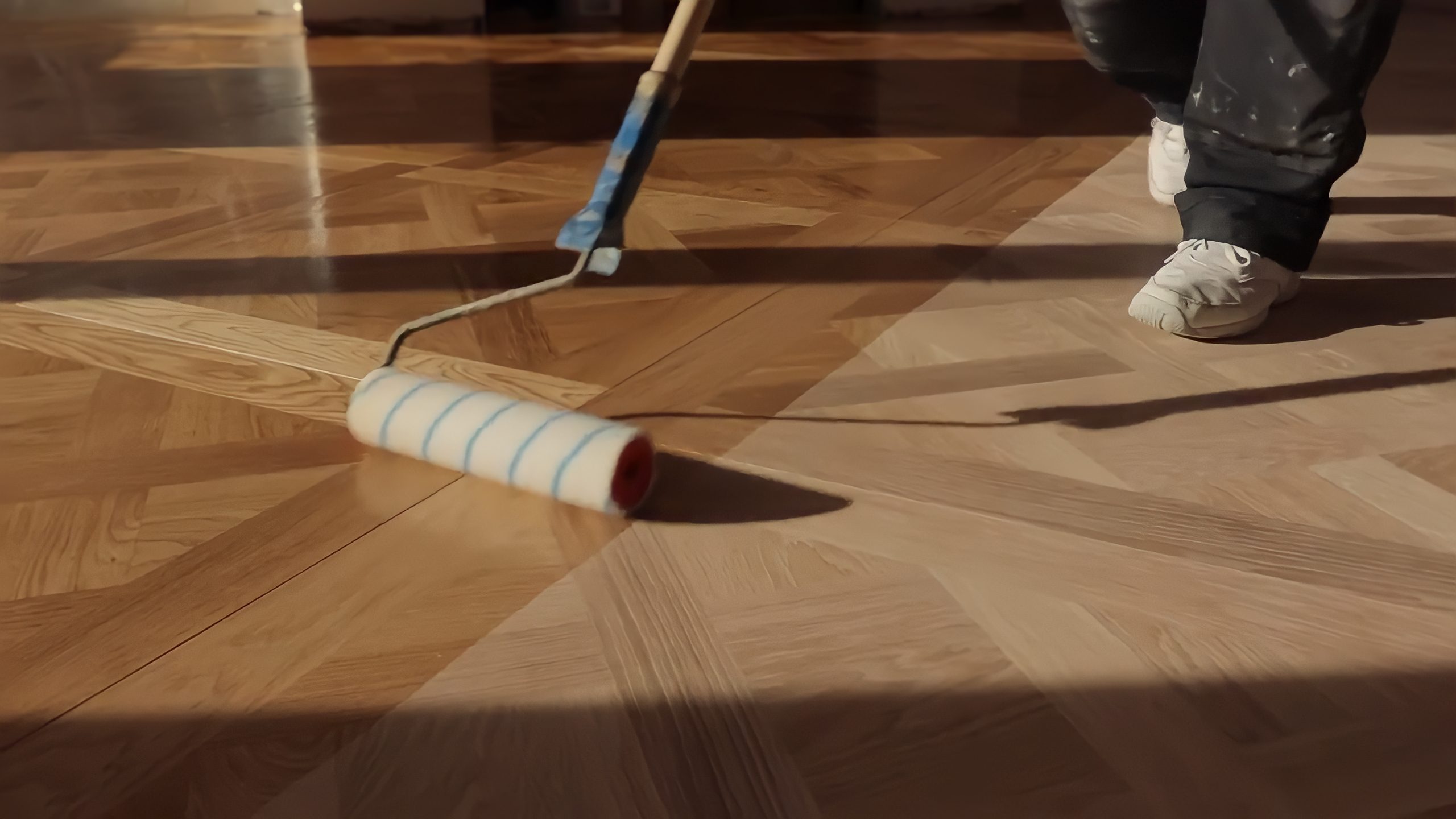
Part of what makes this possible is that a solid wood floor isn’t a single use surface. It can be sanded back and refinished several times over its life, which is exactly what our sanding and refinishing service does, taking a tired, scratched or dated floor back to something close to new rather than sending it to landfill. Try doing that with a sheet of vinyl or a length of carpet.
No Two Boards Are Ever the Same
Every plank of real wood carries its own grain pattern, colour variation and the occasional knot or mineral streak. That’s why a room floored in oak, walnut or ash never looks quite like the one next door, even when it’s the same species and finish. We work across a full range of wood species, and that natural individuality is a genuine part of what people are paying for. A printed laminate pattern tends to repeat every few boards if you look closely enough. Real wood doesn’t repeat at all, which is a small detail that somehow still matters a great deal in a finished room.
A More Sustainable Choice Than It Gets Credit For
Wood flooring has something of an image problem here that doesn’t really match reality. Timber sourced from responsibly managed forests and carrying FSC certification comes from woodland that’s required to be replanted and managed for the long term, not stripped and abandoned once it’s been felled. Trees also store carbon as they grow, and because timber has significantly lower embodied carbon than materials such as steel or concrete, choosing a wood floor over a synthetic alternative is, in a fairly direct sense, a lower carbon decision as well as a better looking one.
Engineered wood flooring pushes this further still, using a thinner layer of real hardwood bonded to a stable plywood core. That means a single log stretches a lot further than it would cut into solid boards, without giving up the genuine wood surface underfoot.
Craftsmanship You Can Actually See
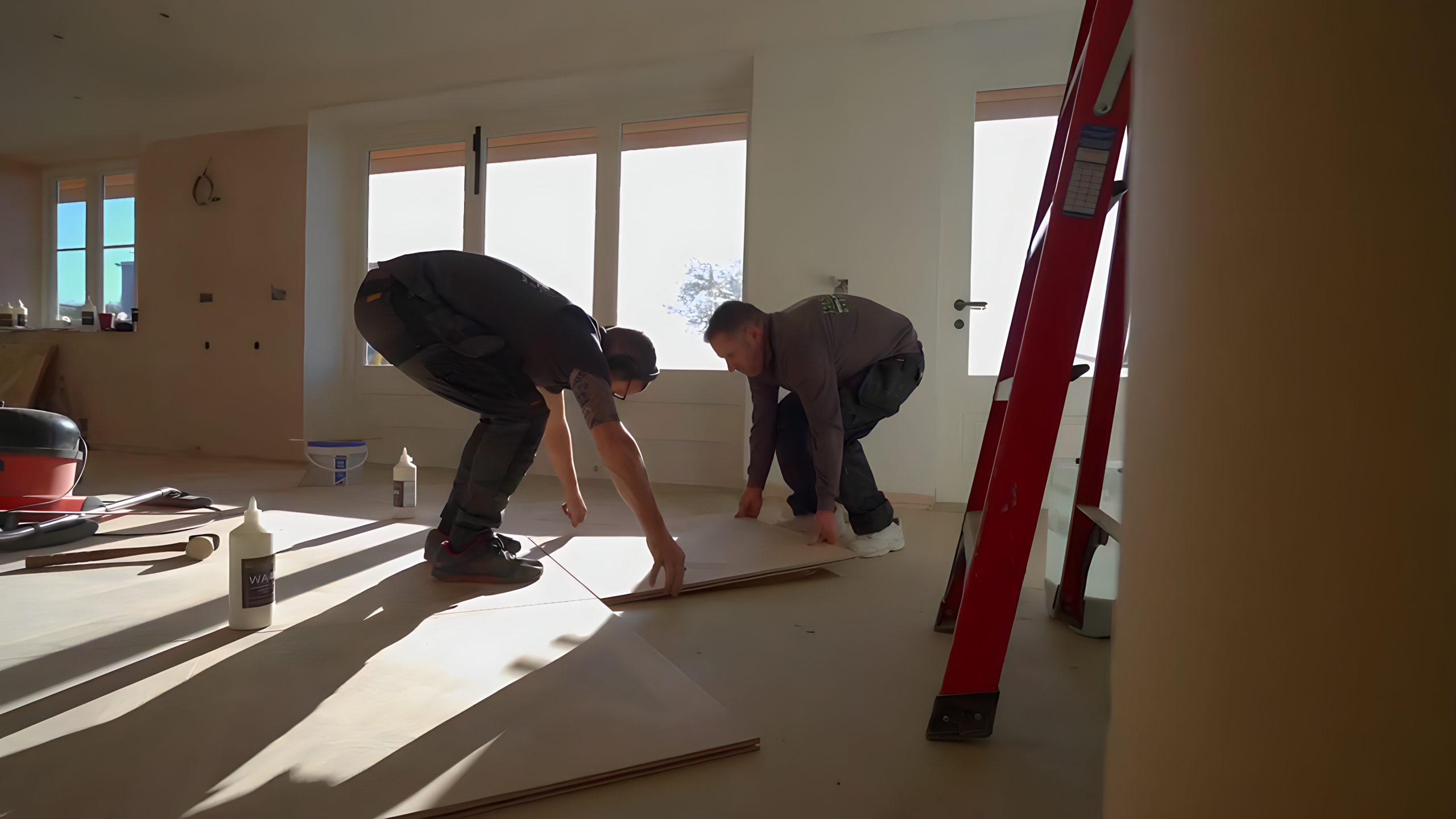
Fitting a wood floor properly, especially a parquet or herringbone pattern, takes real skill and a fair amount of patience. The British Wood Flooring Association exists specifically to train and set standards for installers across the UK, because a badly laid wood floor will gap, cup or start creaking within a year or two, while a properly laid one will still be doing its job decades later.
We’ve been fitting, staining and restoring floors as a family run business since 1993, and the difference between a rushed installation and a proper one is usually obvious by the first winter, when a poorly fitted floor starts moving with the change in temperature and humidity. Our own installation service is built around getting that groundwork right the first time, because there isn’t really a shortcut that doesn’t show up later.
It Works With Practically Any Interior
Trends in kitchens, tiles and paint colours come and go every few years, but a good wood floor tends to outlast several of them without ever looking dated. It sits comfortably in a Georgian townhouse, a converted barn or a new build extension, and it pairs well with underfloor heating once the right species and installation method are chosen for the job.
Picture a laminate floor still looking appropriate in a house that’s been redecorated twice since it went down. It’s a harder sell, and most people who’ve lived with both know it.
Is the Extra Cost Actually Worth It?
Buying wood flooring costs more upfront than most alternatives, and there’s no getting around that fact. But spread that cost over a lifespan measured in decades rather than years, factor in that it can be refinished rather than replaced outright, and the gap narrows considerably compared with a floor covering you’ll likely be pulling up again within ten years.
Buyers viewing a property tend to notice a well kept wood floor even if they couldn’t always tell you exactly why, and it’s rarely seen as a downside when a house goes on the market. If you’re trying to decide between the two main options, our guide on engineered versus solid wood flooring breaks down which one suits which type of room.
If you’re weighing up whether wood flooring is the right investment for your own home, our team can talk you through species choice, finish and installation method based on the room and how it actually gets used day to day. You can get in touch with us or download our brochure to see the full range before making a decision.
FAQs
Is wood flooring worth the extra cost compared to laminate?
Over a short timeframe, laminate is cheaper to buy and fit. Over a longer one, wood flooring tends to work out better value, since solid hardwood can last 30 to 100 years or more and be refinished several times, while laminate is usually replaced within 10 to 30 years. The right answer depends on how long you plan to stay in the property.
How long does wood flooring actually last?
Solid hardwood typically lasts 30 to 100 years or more with reasonable care, and engineered hardwood usually holds up for 20 to 30 years. Both figures assume the floor is looked after and, where needed, sanded and refinished rather than left to wear down completely.
Is wood flooring an environmentally friendly choice?
It can be, particularly when the timber carries FSC or PEFC certification confirming it comes from a responsibly managed forest. Wood also stores carbon and has a lower embodied carbon footprint than materials like steel or concrete, so a certified wood floor is generally a lower impact choice than many synthetic alternatives.
Can a wood floor be repaired if it gets scratched or damaged?
In most cases, yes. Solid wood floors can be sanded back and refinished to remove scratches, stains and general wear, often multiple times over the life of the floor. Engineered wood can usually be refinished too, though how many times depends on the thickness of the top hardwood layer.
What’s the difference between solid and engineered wood for a premium look?
Solid wood is a single piece of timber all the way through, while engineered wood has a real hardwood top layer bonded to a stable core. Both give a genuine wood surface and can look equally premium once fitted and finished, but they differ in stability, suitability for underfloor heating and how many times each can be refinished.