Hallways, kitchens and open-plan living spaces take a beating. Muddy boots, dropped pans, dog claws and dining chairs dragged back and forth every evening. If you want real wood in those rooms, the choice you make now decides whether the floor still looks good in ten years or starts showing a worn path from the front door within two.
So here’s the short answer. The best wood flooring for high-traffic areas is a hard, stable species such as oak (or something harder, like jarrah or jatoba), made as solid wood or as engineered boards with a thick wear layer of 4mm or more, and protected by a hardwearing lacquer or hardwax oil. A mid-tone colour with visible grain and a matt finish will hide day to day wear far better than a glossy, very pale or very dark floor.
What Makes Wood Flooring Good for High-Traffic Areas?
Four things decide how well a wood floor copes with heavy use. The species sets how easily the surface dents. The construction (solid or engineered, and how thick the top layer is) decides how many times the floor can be sanded back to fresh timber. The finish takes the abrasion from grit and shoes. And the colour and texture decide how visible the inevitable marks will be.
Installation matters too. The UK code of practice for wood flooring, BS 8201, makes the point that material, environment and installation variables together shape how a finished floor performs over its life.
Wood Hardness: How the Species Compare
Hardness is measured with the Janka test, which records the force needed to press a small steel ball halfway into a sample of wood. The National Wood Flooring Association explains that the test is designed to mimic the kind of pressure a stiletto heel, a chair leg or a stone stuck in a shoe sole puts on a floor. Higher numbers mean better dent resistance.
Here’s how the species in Just Wood’s range compare, using average side hardness figures from the Janka hardness table:
| Species | Janka hardness | What it means underfoot |
|---|---|---|
| Jatoba | 2,350 lbf | The hardest species in the Just Wood range. Rich red tones that darken with light. |
| Jarrah | 1,910 lbf | Australian hardwood with deep red colour. Excellent dent resistance. |
| Merbau | 1,712 to 1,925 lbf | Dense and stable. Published figures vary by source. |
| Hard maple | 1,450 lbf | Very hard, but the pale, tight grain shows marks more readily. |
| Ash | 1,320 lbf | Tough, springy and slightly harder than most oak. |
| Beech | 1,300 lbf | Hard, with a pale and even grain. |
| European oak | 1,120 lbf | Mid range hardness, strong open grain that disguises wear. |
| American walnut | 1,010 lbf | Softer. Better suited to lower traffic rooms. |
| Cherry | 950 lbf | The softest here. Best kept for bedrooms and studies. |
A couple of caveats are worth knowing. These are averages from clear, knot free test samples, not finished floorboards, and the same NWFA article notes that the quality of the factory finish will matter more in the long run than the wood itself.
Why oak is still the default choice
On paper, oak sits in the middle of the table. In practice it’s the species we recommend most for busy rooms, and not just because it’s popular. Its pronounced grain and natural colour variation do a brilliant job of camouflaging scuffs, it takes stains and oils evenly, and solid oak flooring can be sanded and refinished many times over its life. If you want extra toughness without losing the warmth of real wood, jarrah and jatoba are the step up. Our guide to oak vs walnut vs ash flooring goes into the character of each in more detail.
Solid or Engineered for Busy Rooms? Check the Wear Layer
We’ve covered the wider pros and cons in our engineered vs solid wood flooring guide, so here we’ll focus on the one detail that matters most for high-traffic areas, which is the wear layer.
The wear layer is the real hardwood on top that you walk on. It’s also the part you sand away when the floor needs renewing. According to the NWFA, most solid wood floors can be sanded six to eight times over their service life, while engineered wear layers range from roughly 1.6mm to 6mm depending on the product. Wood Floor Business puts the timber removed in a typical full resand by a skilled professional at about 0.8mm to 1.2mm.
Do the maths and the difference is clear. A 2mm wear layer might give you one proper sanding, if that. A 4mm or 6mm wear layer gives you several. For a hallway or kitchen that will need refreshing more often than a bedroom, we’d treat 4mm as the minimum when choosing the best engineered hardwood flooring for the job. Our article on what engineered wood flooring is made of explains the layers.
Engineered boards also have a stability advantage in rooms with underfloor heating or big swings in humidity, which is why they’re so often the right call for kitchens and open-plan spaces. Herringbone engineered wood flooring is a popular choice for hallways for exactly this reason, and the same wear layer rule applies to parquet patterns as it does to planks.
The Finish Matters as Much as the Wood
Grit from every footstep wears the finish before it ever reaches the timber. There are two main routes.
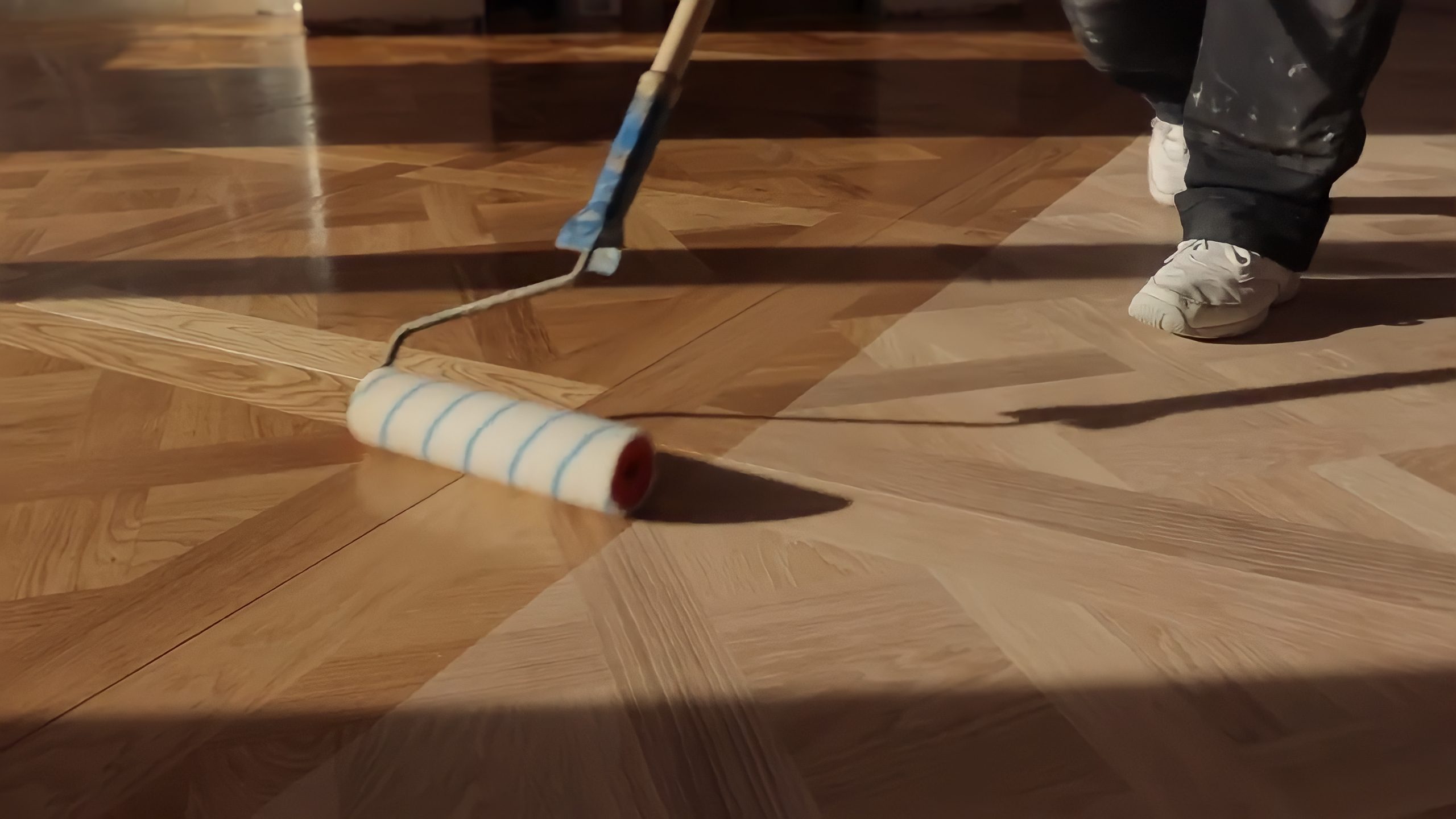
Lacquer
A lacquer forms a hard protective film on top of the wood. Modern two part waterborne lacquers are extremely tough, which is why they’re specified for commercial spaces. The oak floors at the 1,900 seat Donald Gordon Theatre in Cardiff, for example, were recoated with a commercial grade polyurethane lacquer designed for very high wear. The drawback is repair. Once a lacquer wears through in the main walkway, a patch repair rarely blends in, and the usual fix is to screen and recoat or sand the whole area.
Hardwax oil
Hardwax oil soaks into the timber and hardens at the surface. It’s not quite as abrasion resistant as the toughest lacquers, but worn patches can be cleaned and re-oiled locally without sanding the whole room. As our cleaning and maintenance guide explains, oiled floors benefit from a maintenance oil every 12 to 24 months, and high-traffic areas may need it sooner.
Our general advice is simple. If you want the lowest maintenance and are happy with a full refresh every few years, choose lacquer. If you’d rather touch up the hallway on a Saturday morning and keep a more natural look, choose hardwax oil. Either way, go for a matt or satin sheen, because gloss shows every scratch under a ceiling light.
Colour, Grade and Texture: Hiding Everyday Wear
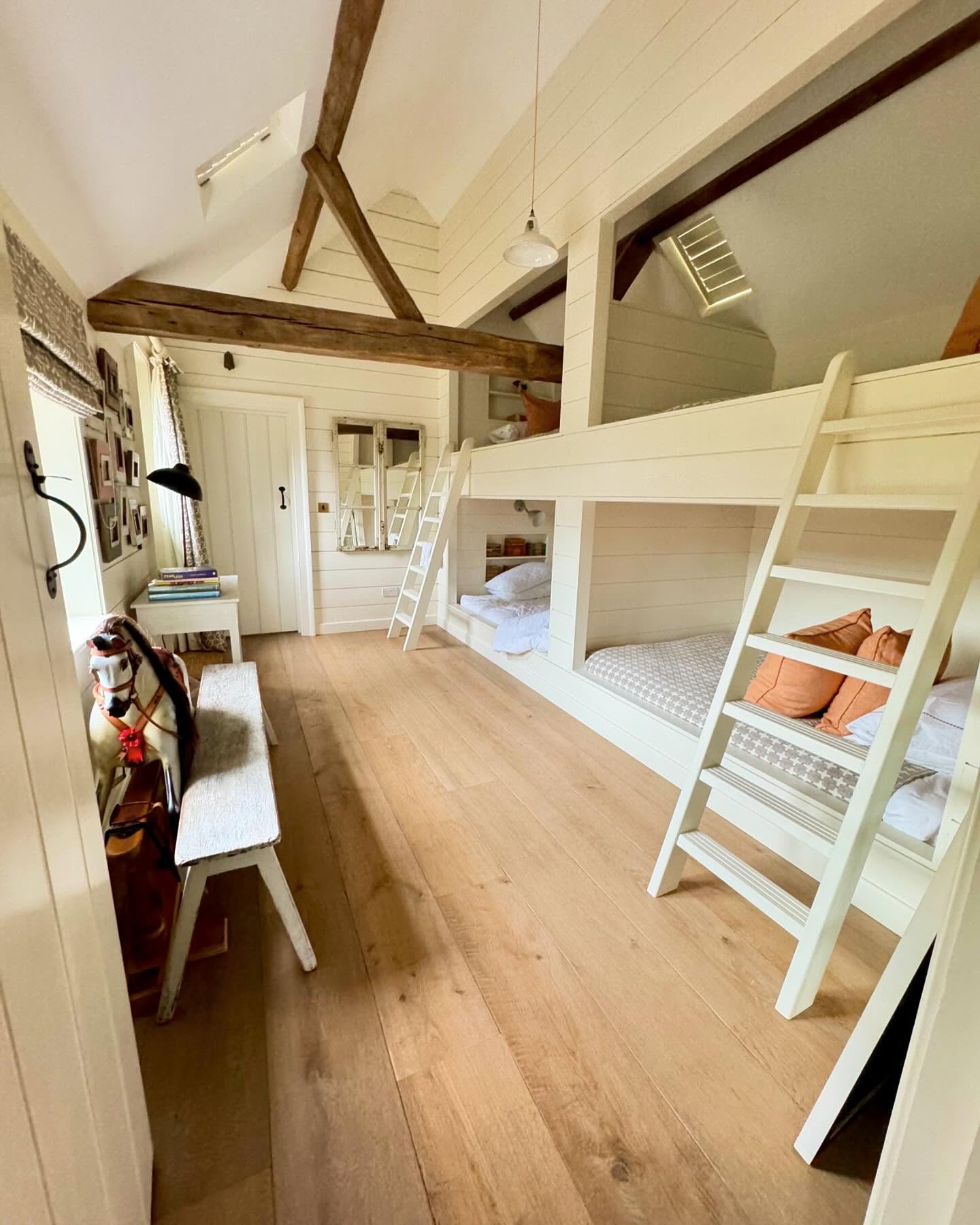
No wood floor in a busy household stays flawless, so it pays to choose a surface that disguises marks rather than highlights them. Mid-tone floors hide dust and fine scratches better than very dark or very pale ones. Character grades with knots and colour variation make a new dent look like part of the timber. Brushed and textured surfaces break up the light so shallow scratches barely register.
Very smooth, pale species like maple can look stunning, but they’re less forgiving in a hallway. If you love a lighter look, a lightly brushed oak in a natural or white oiled finish is a good compromise. Our guide to the best wood flooring colours for modern interiors has more ideas.
Our Picks by Room
Hallways and entrances. Engineered or solid oak with a wear layer of 4mm or more, brushed, in a mid-tone with a matt lacquer or hardwax oil. Add a good quality entrance mat inside the door to catch grit before it reaches the wood.
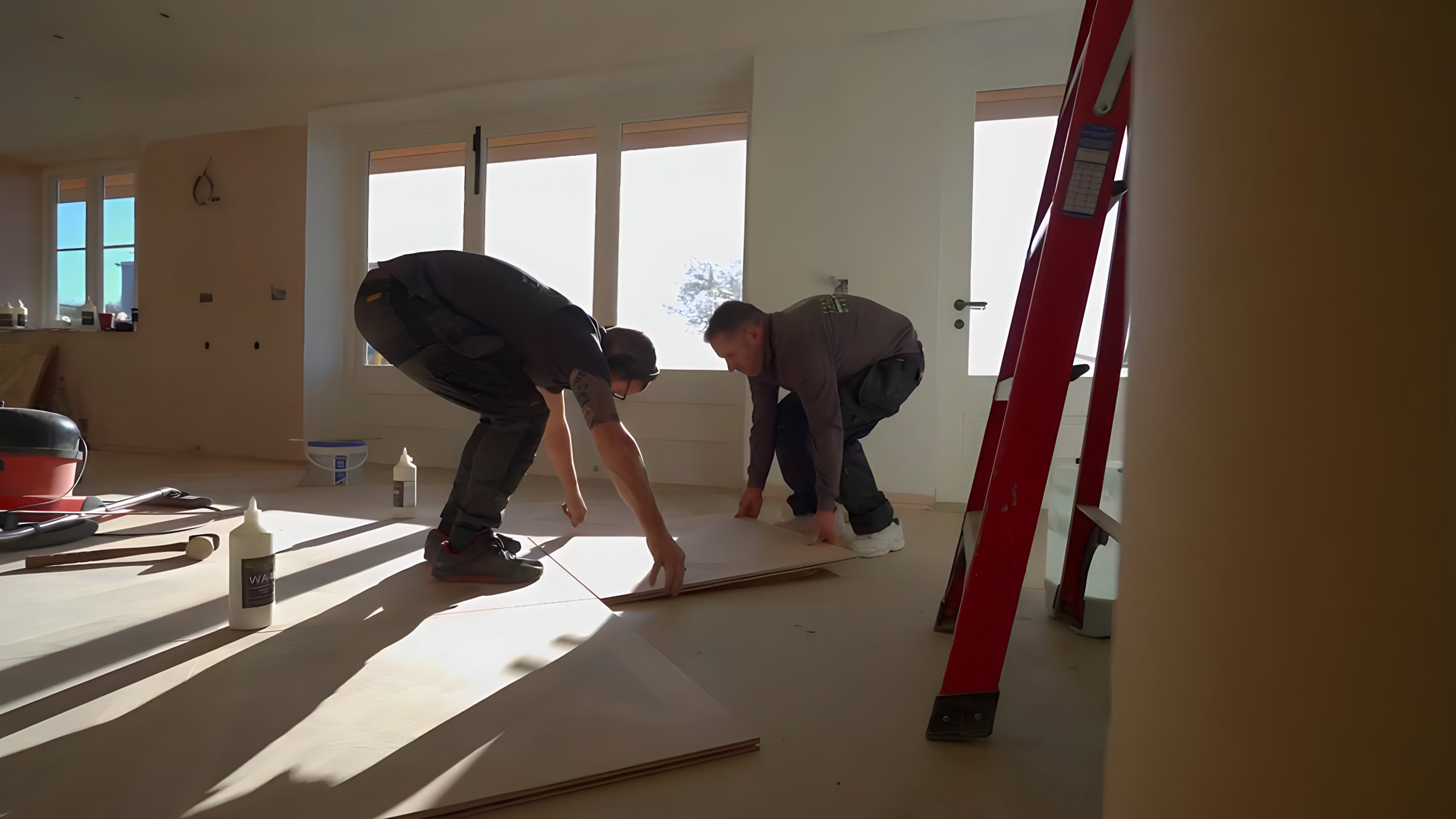
Kitchens. Engineered oak for stability, finished in lacquer for better spill resistance around the sink and cooker. A careful kitchen wood floor installation with proper expansion gaps matters here as much as the board itself.
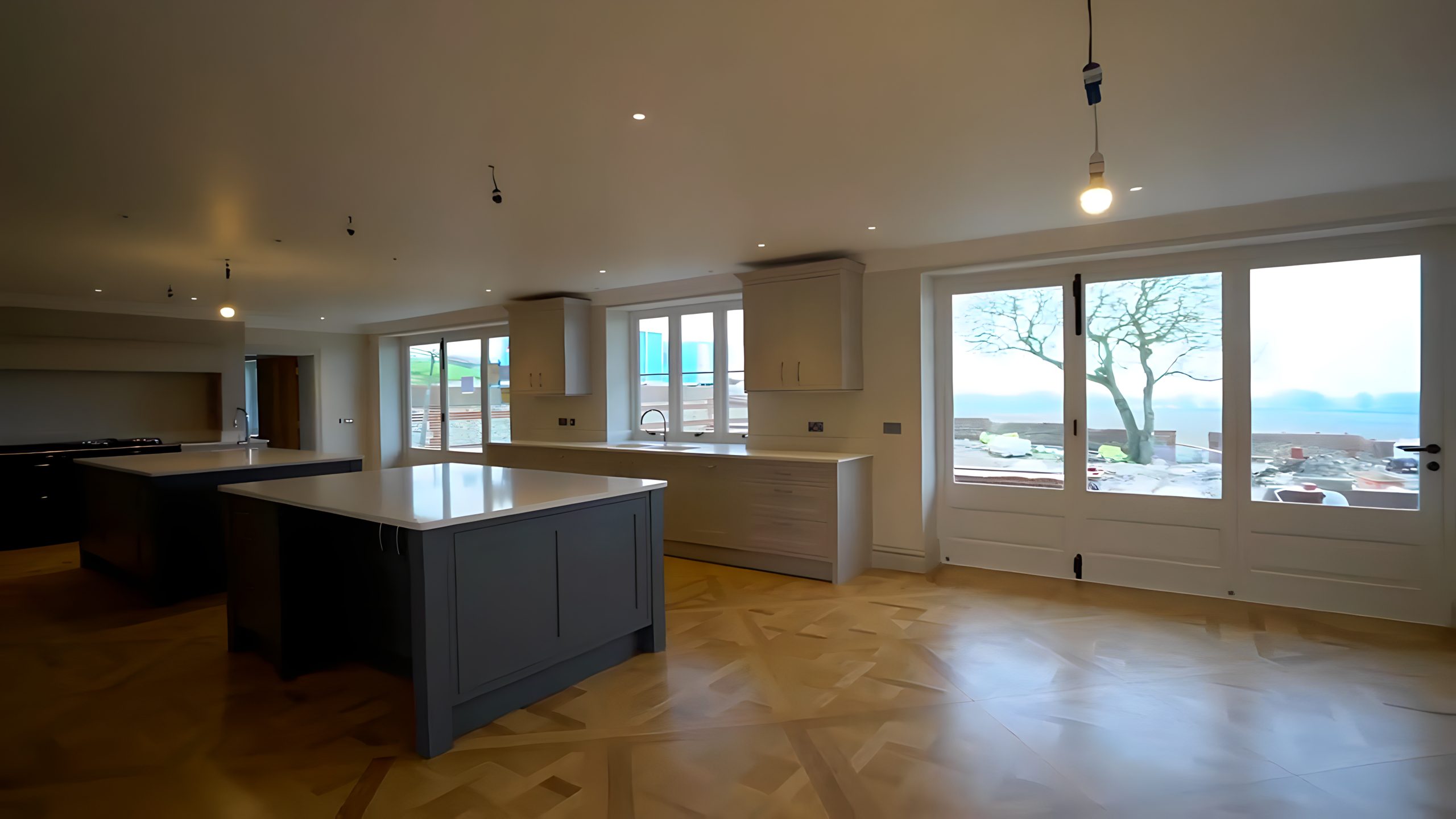
Open-plan living spaces. One continuous floor running through the space wears more evenly than several different surfaces. See our ideas for open-plan living spaces for layouts that work.
Homes with dogs. Go harder (jarrah or jatoba) or go more characterful (rustic oak with an oiled finish) so claw marks blend in and can be spot repaired.
Is Laminate a Better Option for Very Heavy Wear?
It can be. Good quality laminate flooring is very scratch resistant and sensible in a rental, a playroom or a space where budget comes first. The trade off is that laminate can’t be sanded, so once it’s worn it has to be replaced. Real wood with a decent wear layer can be brought back to life again and again, which is a big part of why it still adds value to a home.
Keeping a High-Traffic Wood Floor Looking Its Best
Even the toughest floor lasts longer with a little care. Sweep or vacuum grit often, fit felt pads to chair and table legs and replace them when they get dirty, and use breathable rugs in the busiest spots. Keeping indoor humidity between roughly 40% and 60% also reduces movement and gapping, as covered in our cleaning and maintenance guide.
When the finish starts to look tired, act before it wears through to bare timber. A professional wood floor sanding and hardwood floor refinishing service can restore the surface completely, and for lighter marks our guide on how to remove scratches from wood flooring walks through what you can fix yourself.
Talk to a Wood Flooring Specialist
Just Wood has been supplying and fitting wood floors across Surrey, Sussex and Hampshire since 1993. We can show you how different species and finishes wear in real homes, check your subfloor, and recommend the right solid or engineered hardwood flooring for every room. Browse our virtual showroom or contact us to arrange a visit and a free quote.
FAQs
What is the hardest wood flooring for high-traffic areas?
Of the species Just Wood supplies, jatoba is the hardest, followed by jarrah and merbau. All three resist dents far better than oak or walnut. That said, a well finished oak floor with a thick wear layer will usually outperform a harder species with a poor finish, so hardness shouldn’t be the only thing you compare.
Is oak flooring good for high-traffic areas?
Yes. Oak is hard enough for hallways and kitchens, its grain hides everyday scuffs well, and it can be sanded and refinished many times. Choose a brushed, mid-tone oak with a matt lacquer or hardwax oil for the most forgiving result.
Is engineered wood flooring durable enough for a hallway?
It is, as long as the wear layer is thick enough. Look for 4mm or more so the floor can be professionally sanded several times over its life. Thin wear layers of 2mm or less may only allow one sanding, which limits how long the floor will last in a busy space.
Should I choose lacquer or oil for a busy wood floor?
Lacquer gives the toughest surface and the least routine maintenance, but worn areas usually mean recoating the whole room. Hardwax oil is slightly less abrasion resistant, but you can re-oil worn patches locally and it keeps a more natural look. Both work well in high-traffic areas when maintained properly.
How often does a high-traffic wood floor need refinishing?
It depends on the finish and how the floor is used. Oiled floors benefit from a maintenance coat every 12 to 24 months, sooner in the busiest areas. Lacquered floors can go longer between treatments, but should be recoated before the finish wears through to bare wood, otherwise a full sanding is needed.